Always Sleepy? The Link Between Excessive Drowsiness and Dementia Risk
Do you feel constantly sleepy during the day despite getting enough sleep? It might not be just fatigue. Recent studies warn that excessive daytime sleepiness could be an early sign of dementia and Alzheimer's disease. Let's explore the relationship between sleep and brain health, and when you should be concerned.
The Connection Between Excessive Sleepiness and Dementia
According to several large-scale studies, people who experience excessive daytime sleepiness (EDS) may have an increased risk of developing dementia. The connection to Alzheimer's disease is particularly noteworthy.
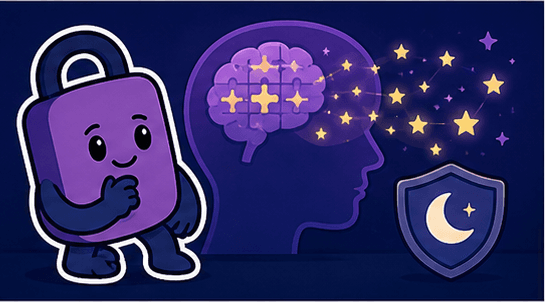
The cause of this connection is complex. During sleep, the brain removes a toxic protein called beta-amyloid, and if this process doesn't work properly, it can accumulate in the brain and contribute to dementia.
Key Research Finding
According to Harvard Medical School research, older adults who reported excessive daytime sleepiness had more than twice the beta-amyloid accumulation 10 years later compared to those who didn't.
Why Excessive Sleepiness Is a Dementia Warning Sign
Let's explore the mechanisms that connect excessive sleepiness to dementia:
Impaired Glymphatic System
During sleep, the brain's 'glymphatic system' removes toxins. Poor sleep quality weakens this cleaning function, allowing harmful proteins to accumulate.
Changes in Sleep Architecture
As dementia progresses, the proportion of deep sleep and REM sleep decreases. This prevents adequate nighttime recovery, causing daytime drowsiness.
Increased Brain Inflammation
Chronic sleep deprivation increases brain inflammation, which promotes the development of neurodegenerative diseases.
Sleep Breathing Disorders
Sleep apnea is a major cause of daytime sleepiness and is also known to increase dementia risk by 2-3 times.
Symptoms to Watch For
It's important to distinguish between simple fatigue and dementia-related sleep problems:
Persistent Daytime Sleepiness
Severe daytime sleepiness lasting more than 3 months despite getting enough sleep
Sudden Changes in Sleep Patterns
Sudden major changes in sleep habits (sleeping too much or too little)
Memory Decline
Frequently forgetting recent events or significant concentration difficulties along with sleepiness
Frequent Night Awakenings
Waking up frequently at night and having difficulty falling back asleep
Personality Changes
Depression, anxiety, or personality changes accompanying excessive sleepiness
Sleep Management for Brain Health
Here are sleep health management tips for dementia prevention:
Improve Sleep Quality
Aim for 7-8 hours of quality sleep. The quality of deep sleep matters more than total sleep time.
Maintain Regular Sleep Schedule
Go to bed and wake up at the same time every day. Regular sleep patterns increase the brain's toxin removal efficiency.
Get Tested for Sleep Apnea
If you snore heavily or experience severe daytime sleepiness, consider a polysomnography test. Treating sleep apnea can reduce dementia risk.
Sleep on Your Side
Side sleeping improves the efficiency of the brain's glymphatic system, helping with toxin removal.
Regulate Naps
Limit naps to 20-30 minutes and avoid them after 3 PM.
Optimize Sleep Environment
Create a dark, cool, and quiet sleep environment. The optimal room temperature is 65-68°F (18-20°C).
Lifestyle Habits for Brain Health
- Regular aerobic exercise to improve brain blood flow
- Consume brain-healthy foods like the Mediterranean diet
- Maintain social activities and mental stimulation
- Practice stress management and meditation
- Limit alcohol consumption and quit smoking
When to Seek Professional Help
Consult a healthcare professional immediately if:
- You're over 65 and suddenly experiencing severe daytime sleepiness
- Memory decline or confusion accompanies your sleepiness
- You have a family history and significant changes in sleep patterns
- You have symptoms suggesting sleep apnea
- Sleepiness is severe enough to interfere with daily activities
Healthy Sleep Protects Your Brain
Excessive daytime sleepiness may not just be a matter of feeling tired. Especially when sleep problems suddenly appear in older age, they could be an important signal of brain health, so don't ignore them and consult a specialist.
The good news is that improving sleep quality can also improve brain health. Start healthy sleep habits today to protect your brain.
⚠️ Important Notice
This article is for informational purposes only and is not a substitute for professional medical advice, diagnosis, or treatment. If you suspect you have a sleep disorder or any health condition, please consult a doctor or sleep specialist.

Take the First Step to Better Sleep
Build healthy sleep habits with Good Night Lock.
Download Good Night Lock