Sleep Deprivation Recovery: How to Get Back on Track
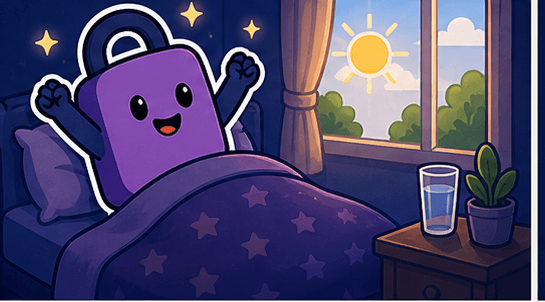
Feeling the effects of sleepless nights? Sleep deprivation can impact everything from your mood to your health. The good news is that recovery is possible. Learn effective strategies to restore your sleep and regain your energy.
Understanding Sleep Deprivation
Sleep deprivation occurs when you consistently get less sleep than your body needs. While occasional short nights may seem harmless, accumulated sleep debt can have significant effects on your physical and mental health.
The effects of sleep deprivation can include impaired cognitive function, weakened immunity, mood swings, and increased risk of chronic diseases. Recognizing these signs is the first step toward recovery.
Key Insight
Research shows that it takes about 4 days to fully recover from just 1 hour of lost sleep. The longer you've been sleep deprived, the longer recovery takes.
Signs You Need Sleep Recovery
Your body sends clear signals when it's not getting enough rest. Watch for these warning signs that indicate you need to prioritize sleep recovery.
Constant Fatigue
Feeling tired throughout the day, even after what you thought was a good night's sleep.
Difficulty Concentrating
Struggling to focus on tasks, making more mistakes, or feeling mentally foggy.
Mood Changes
Increased irritability, anxiety, or feeling more emotional than usual.
Physical Symptoms
Headaches, weakened immune response, or increased appetite for high-calorie foods.
Immediate Recovery Strategies
When you're sleep deprived, these short-term strategies can help you start feeling better right away.
Strategic Napping
Take short naps of 20-30 minutes in the early afternoon. Avoid napping too late as it can interfere with nighttime sleep.
Gradual Sleep Extension
Add 15-30 minutes to your sleep time each night rather than trying to sleep for extremely long periods.
Weekend Recovery
Allow yourself 1-2 extra hours of sleep on weekends, but don't overdo it as extreme catch-up sleep can disrupt your schedule.
Reduce Stimulants
Cut back on caffeine, especially in the afternoon and evening, to improve sleep quality.
Long-Term Recovery Plan
For lasting recovery from chronic sleep deprivation, you'll need to make sustainable changes to your sleep habits.
Establish a Consistent Schedule
Go to bed and wake up at the same time every day, including weekends. This helps regulate your body's internal clock.
Create a Sleep-Friendly Environment
Keep your bedroom dark, quiet, and cool. Invest in a comfortable mattress and pillows.
Develop a Wind-Down Routine
Start relaxing 1-2 hours before bed. Avoid screens, dim the lights, and engage in calming activities.
Address Underlying Issues
If stress, anxiety, or a sleep disorder is causing your sleep problems, seek appropriate help from a professional.
Foods and Supplements for Recovery
Certain nutrients can support your body's recovery from sleep deprivation.
Magnesium-Rich Foods
Leafy greens, nuts, and seeds help promote relaxation and better sleep quality.
Complex Carbohydrates
Whole grains and sweet potatoes can help stabilize blood sugar and promote sleep.
Tryptophan Sources
Turkey, milk, and bananas contain tryptophan, which helps produce sleep-promoting hormones.
Stay Hydrated
Dehydration can worsen fatigue. Drink enough water throughout the day, but reduce intake before bed.
What to Avoid During Recovery
Some habits can sabotage your recovery efforts. Be mindful of these common mistakes.
Start Your Recovery Today
Sleep deprivation recovery is a process, not an overnight fix. Be patient with yourself and focus on making gradual, sustainable improvements to your sleep habits.
Remember that prioritizing sleep isn't a luxury—it's essential for your health, productivity, and overall quality of life. Start with small changes tonight and build from there.
⚠️ Important Notice
This article is for informational purposes only and is not a substitute for professional medical advice, diagnosis, or treatment. If you suspect you have a sleep disorder or any health condition, please consult a doctor or sleep specialist.

Take the First Step to Better Sleep
Build healthy sleep habits with Good Night Lock.
Download Good Night LockRelated Articles
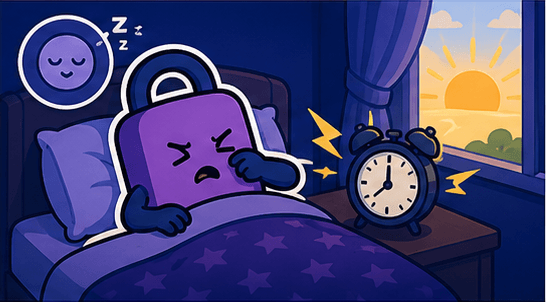
Why Is It So Hard to Wake Up in the Morning? Understanding Sleep Inertia
Do you find yourself hitting the snooze button multiple times every morning? Feel like you need an extra hour of sleep no matter how long you slept? You're experiencing sleep inertia - a fascinating phenomenon that affects millions of people worldwide.
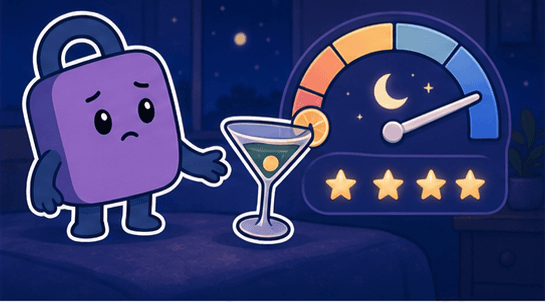
Why Alcohol Disrupts Your Sleep (Even Though It Makes You Drowsy)
After a drink or two, you might feel relaxed and sleepy—perfect for bedtime, right? Not quite. While alcohol can make you drowsy initially, it actually sabotages your sleep quality in ways that leave you feeling tired the next day. Let's uncover the science behind alcohol's complex relationship with sleep.
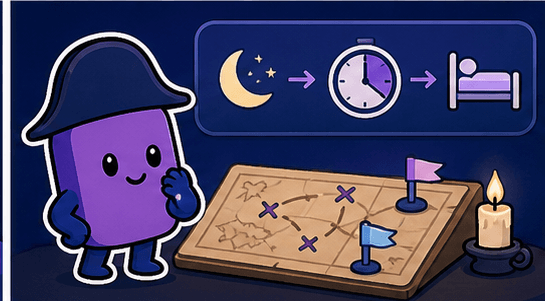
The Napoleon Sleep Method: The Truth About 4-Hour Sleep
Have you heard the story about Napoleon, the great conqueror, who exercised powerful leadership while sleeping only 4 hours a day? Is this sleep method really effective? And did Napoleon actually use this method?
Why Do We Dream So Often? The Science Behind Frequent Dreams
Why do we have vivid dreams on some nights while remembering nothing on others? Let's explore the science of dreams to understand why we dream and how we can enjoy more restful nights.
The Science of Pulling an All-Nighter: How 24 Hours Without Sleep Affects Your Body and Brain
Cramming for an exam, racing against a project deadline, or staying up all night with friends—we've all been there. But what actually happens to your body and brain when you go a full 24 hours without sleep? Let's explore the science behind all-nighters and learn how to handle them when they're truly unavoidable.
Melatonin Side Effects: What to Know About 5mg & 10mg Doses
Melatonin is a natural hormone and popular sleep aid that helps millions get better rest. However, different dosages can come with various side effects. Let's explore how melatonin works, what side effects to watch for at different doses, and how to use it safely.