Which Direction Should You Sleep In? The Science of Sleep Orientation and Health
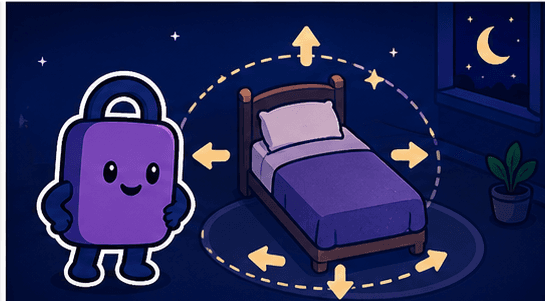
Have you heard that sleeping with your head facing east is good for you? Ancient traditions have passed down beliefs about sleep direction for centuries. Let's explore whether sleep orientation really affects your health scientifically, and which direction might be best.
Why Sleep Direction Matters
Interest in sleep direction has existed across cultures for centuries.
Earth's Magnetic Field
There are theories about the earth's magnetic field affecting the body. Some researchers claim that alignment with magnetic fields may influence sleep.
Blood Circulation
Head position may create subtle differences in blood flow to the brain.
Psychological Comfort
Certain directions may provide greater psychological comfort.
Cultural Traditions
Many cultures including Feng Shui and Vastu Shastra emphasize the importance of sleep direction.
Characteristics of Each Direction
Let's explore the characteristics of sleeping with your head facing each cardinal direction.
East (Sunrise Direction)
Recommended as the best direction in many traditions. Said to provide vitality and positive energy.
Improved memory, aids meditation, refreshing awakening
No particular disadvantages
West
Known to promote comfortable sleep.
Deep sleep, adequate rest
Not recommended in some traditions
South
The direction recommended by Vastu Shastra. Said to harmonize with Earth's magnetic field.
Reduced heart strain, improved circulation
Only applies in the Northern Hemisphere
North
Mentioned as a direction to avoid in many traditions.
No particular benefits
Magnetic field interference, possible blood pressure changes
Scientific Research Findings
Scientific research on sleep direction is still limited, but there are some interesting findings.
Magnetic Sensitivity Studies
Some studies have found that humans may be sensitive to Earth's magnetic field. However, direct effects on sleep remain unclear.
Heart and Blood Flow
Considering the heart's position (left side), sleeping on your left side may help blood circulation.
Individual Differences
Personal comfort, bedroom environment, and sleep hygiene are more important factors than sleep direction.
Placebo Effect
Believing a certain direction is beneficial tends to result in better sleep.
Sleep Direction Beliefs by Culture
Let's look at sleep directions recommended by traditions around the world.
Indian Vastu Shastra
Recommends sleeping with head facing south or east. North is considered the direction of death and should be avoided.
Chinese Feng Shui
The best direction varies based on birth date. Generally recommends placing head opposite from the door.
Japan
Avoids sleeping facing north (kita-makura). This is because corpses are placed facing north during funerals.
Korea
Traditionally considers sleeping with head facing south or east as beneficial.
Creating the Optimal Sleep Environment
More important than sleep direction is the overall sleep environment.
Bed Position
A position where you can see the door without directly facing it provides psychological security.
Window Consideration
Consider the direction of morning sunlight. Natural light helps with waking up.
Ventilation and Temperature
Good airflow and a cool environment are beneficial for sleep.
Electronics Distance
Keep electronic devices away from the bed. Both electromagnetic waves and light can disrupt sleep.
Finding Your Optimal Sleep Direction
- •Try different directions first and feel which one is most comfortable
- •Consider bedroom structure and furniture arrangement for a practical direction
- •Start by placing your head east or south
- •Avoiding north is common advice across many traditions
- •Once you find your comfortable direction, that's the best direction for you
Notes
- ⚠Effects of sleep direction are not fully scientifically proven
- ⚠Other factors have greater impact on sleep quality than direction
- ⚠Consult a doctor about sleep position if you have specific health issues
- ⚠Respect cultural beliefs while understanding scientific evidence is limited
- ⚠The most important thing is getting comfortable, restful sleep
Conclusion: Comfort is Most Important
While there are various traditions and theories about sleep direction, scientific evidence is still limited. Sleeping with your head facing east or south is recommended in many cultures, but this may not suit everyone.
The most important thing is finding the direction that feels comfortable to you. Sleep quality is more greatly influenced by factors like bedroom environment, sleep habits, and stress management than direction.
⚠️ Important Notice
This article is for informational purposes only and is not a substitute for professional medical advice, diagnosis, or treatment. If you suspect you have a sleep disorder or any health condition, please consult a doctor or sleep specialist.

Take the First Step to Better Sleep
Build healthy sleep habits with Good Night Lock.
Download Good Night LockRelated Articles
Why Is It So Hard to Wake Up in the Morning? Understanding Sleep Inertia
Do you find yourself hitting the snooze button multiple times every morning? Feel like you need an extra hour of sleep no matter how long you slept? You're experiencing sleep inertia - a fascinating phenomenon that affects millions of people worldwide.
Why Alcohol Disrupts Your Sleep (Even Though It Makes You Drowsy)
After a drink or two, you might feel relaxed and sleepy—perfect for bedtime, right? Not quite. While alcohol can make you drowsy initially, it actually sabotages your sleep quality in ways that leave you feeling tired the next day. Let's uncover the science behind alcohol's complex relationship with sleep.
The Napoleon Sleep Method: The Truth About 4-Hour Sleep
Have you heard the story about Napoleon, the great conqueror, who exercised powerful leadership while sleeping only 4 hours a day? Is this sleep method really effective? And did Napoleon actually use this method?

Why Do We Dream So Often? The Science Behind Frequent Dreams
Why do we have vivid dreams on some nights while remembering nothing on others? Let's explore the science of dreams to understand why we dream and how we can enjoy more restful nights.
The Science of Pulling an All-Nighter: How 24 Hours Without Sleep Affects Your Body and Brain
Cramming for an exam, racing against a project deadline, or staying up all night with friends—we've all been there. But what actually happens to your body and brain when you go a full 24 hours without sleep? Let's explore the science behind all-nighters and learn how to handle them when they're truly unavoidable.
Melatonin Side Effects: What to Know About 5mg & 10mg Doses
Melatonin is a natural hormone and popular sleep aid that helps millions get better rest. However, different dosages can come with various side effects. Let's explore how melatonin works, what side effects to watch for at different doses, and how to use it safely.