Sleep Divorce Due to Snoring: When Separate Beds Save Relationships
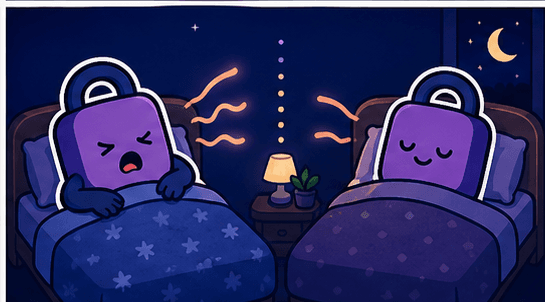
The sound starts low—a gentle rumble. Then it builds, crescendos into a chainsaw-like roar, and suddenly stops, leaving you wide awake at 3 AM. If your partner's snoring is destroying your sleep and straining your relationship, you're not alone. Millions of couples face a difficult decision: prioritize sleep quality or nighttime togetherness? Welcome to the world of 'sleep divorce.'
What Is Sleep Divorce?
Sleep divorce refers to couples choosing to sleep in separate beds or bedrooms despite having a healthy relationship. Far from indicating marital problems, it's often a practical solution to incompatible sleep needs—with snoring being the #1 cause.
A 2023 American Academy of Sleep Medicine survey found that over 35% of Americans occasionally or consistently sleep in separate rooms from their partners, with snoring cited as the primary reason in 68% of cases.
Breaking the Stigma:
Sleeping separately doesn't mean your relationship is failing—it means you're prioritizing both partners' health and well-being. Better sleep often leads to better relationships.
How Snoring Destroys Sleep (and Relationships)
Living with a snorer isn't just annoying—it has serious health and relationship consequences.
Physical Health Impact on the Non-Snoring Partner
- •Chronic sleep deprivation (losing 1-2 hours per night)
- •Increased risk of cardiovascular disease
- •Weakened immune system
- •Higher risk of depression and anxiety
- •Cognitive impairment and memory problems
Relationship Consequences
- •Resentment towards the snoring partner
- •Increased irritability and arguments
- •Decreased physical and emotional intimacy
- •Guilt from the snoring partner
- •Loss of shared bedtime rituals
The Research:
A Mayo Clinic study found that partners of snorers lose an average of one hour of sleep per night—that's equivalent to losing two full months of sleep per year.
Before Sleep Divorce: Solutions to Try First
Separate sleeping should be a last resort after exploring medical and lifestyle interventions for snoring.
Medical Evaluation
Snoring can indicate sleep apnea, a serious medical condition. A sleep study can diagnose underlying issues and guide treatment
CPAP or Oral Appliances
For sleep apnea or severe snoring, CPAP machines or custom dental devices can dramatically reduce or eliminate snoring
Positional Therapy
Many people only snore on their backs. Special pillows or positional devices keep them on their sides
Lifestyle Changes
Weight loss, avoiding alcohol before bed, treating allergies, and staying hydrated can all reduce snoring
Nasal Strips or Dilators
Over-the-counter nasal devices can help if snoring is caused by nasal congestion
White Noise or Earplugs
For mild snoring, the non-snoring partner might benefit from sound masking
When to See a Doctor Immediately:
If snoring is accompanied by gasping, choking, or pauses in breathing, this may indicate obstructive sleep apnea—a potentially dangerous condition requiring medical attention.
Making Sleep Divorce Work
If you've tried everything and snoring persists, sleeping separately might be the healthiest choice. Here's how to make it work without harming your relationship.
Frame It Positively
This isn't about rejection—it's about both partners getting healthy sleep so you can be better together during waking hours
Maintain Intimacy
Schedule quality time together before separating for sleep. Physical intimacy doesn't require sleeping in the same bed all night
Create Bedtime Rituals
Spend 15-30 minutes together before retreating to separate rooms—talking, reading, or cuddling
Communicate Openly
Both partners should feel this is a mutual decision, not an abandonment. Discuss feelings and adjustments regularly
Optimize Both Sleep Spaces
Both rooms should be equally comfortable and inviting, not relegating one partner to a 'lesser' space
Stay Flexible
Sleep divorce doesn't have to be all-or-nothing. Some couples sleep together on weekends or when snoring is less severe
The Science Says: Separate Sleep Can Strengthen Relationships
Despite cultural expectations that couples should sleep together, scientific research increasingly supports sleep divorce as a valid choice.
Multiple studies have found that better sleep leads to improved mood, reduced conflict, and greater relationship satisfaction—all benefits that outweigh symbolic bedroom sharing.
Key Research Findings
- ✓Couples with sleep compatibility issues report 30% lower relationship satisfaction
- ✓Sleep-deprived individuals show reduced empathy and increased conflict with partners
- ✓Partners who get sufficient sleep report higher sexual satisfaction
- ✓Sleep divorce practitioners report improved daytime relationship quality in 80% of cases
What About the Snoring Partner?
Sleep divorce can be emotionally difficult for the person whose snoring causes the split. Here's how both partners can navigate this.
For the Snoring Partner
- •Recognize this isn't personal rejection—it's a health necessity
- •Continue seeking medical solutions (snoring can worsen over time)
- •Appreciate that your partner prioritizing sleep helps them be more patient and loving
- •Initiate intimacy and connection during waking hours
- •Don't feel guilty—snoring is a medical issue, not a character flaw
For the Sleep-Deprived Partner
- •Express gratitude for your partner's understanding
- •Reassure them regularly that this doesn't diminish your love
- •Encourage and support medical treatment efforts
- •Be intentional about maintaining physical and emotional closeness
- •Acknowledge their feelings without dismissing your own need for sleep
Alternatives to Full Sleep Divorce
If you're not ready for completely separate sleeping, these compromises might help.
Split-Night Arrangement
Start the night together, then one partner moves to another room if snoring becomes disruptive
Weekend Togetherness
Sleep separately on work nights when sleep quality is critical, together on weekends
Same Room, Separate Beds
Twin beds in one room provide physical proximity while minimizing disturbance
Rotation Schedule
Alternate nights sleeping together vs. separately based on work schedules or snoring severity
Seasonal Adjustment
Some couples sleep separately during high-stress periods or allergy seasons when snoring worsens
Choose Sleep, Strengthen Love
The idea that couples must share a bed every night is a recent cultural construct—not a requirement for healthy relationships. Throughout history and across cultures, sleeping arrangements have varied widely based on practical needs rather than rigid rules.
If snoring is destroying one or both partners' sleep, sleeping separately isn't giving up—it's choosing health and well-being, which ultimately strengthens your relationship. Well-rested partners are more patient, affectionate, and present. Exhausted, resentful partners are not.
Your relationship is defined by how you treat each other during waking hours, not by whether you occupy the same mattress. Sometimes the most loving choice is the one that lets both partners wake up refreshed and ready to appreciate each other.
If you're considering sleep divorce due to snoring, you're not alone—and you're not failing. You're prioritizing the health and longevity of both your body and your relationship. That's not divorce; that's wisdom.
⚠️ Important Notice
This article is for informational purposes only and is not a substitute for professional medical advice, diagnosis, or treatment. If you suspect you have a sleep disorder or any health condition, please consult a doctor or sleep specialist.

Take the First Step to Better Sleep
Build healthy sleep habits with Good Night Lock.
Download Good Night Lock