Can You Drive After Sleep Endoscopy? Understanding the Procedure and Avoiding Gibberish
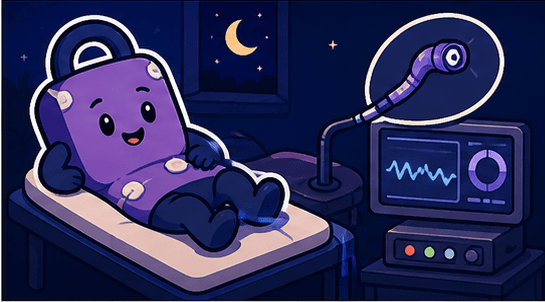
Sleep endoscopy is a diagnostic procedure that helps identify the exact location and cause of airway obstruction during sleep. Since it's performed under sedation, many patients wonder when they can safely drive and what to expect during recovery. This guide covers everything you need to know about post-procedure safety and what happens during the examination.
What is Sleep Endoscopy?
Sleep endoscopy, also known as Drug-Induced Sleep Endoscopy (DISE), is a diagnostic procedure performed on patients with obstructive sleep apnea or snoring problems. During the procedure, you're given sedation medication to induce a sleep-like state while a thin, flexible endoscope is passed through your nose to examine your airway.
The procedure typically lasts 15-30 minutes and allows doctors to observe exactly where and how your airway collapses during sleep. This information is crucial for determining the most effective treatment approach, whether it's surgery, oral appliances, or CPAP therapy adjustments.
Key Point:
Sleep endoscopy provides real-time visualization of airway obstruction patterns that cannot be detected through regular sleep studies.
Can You Drive After the Procedure?
No, you absolutely cannot drive after sleep endoscopy. The sedation medications used during the procedure can impair your judgment, reaction time, and motor skills for 12-24 hours after the examination.
Most medical centers require that you bring a responsible adult who can drive you home. You should plan to take the rest of the day off from work and avoid operating machinery, making important decisions, or signing legal documents.
Post-Procedure Safety Guidelines:
- •• No driving for 24 hours after sedation
- •• Have a responsible adult accompany you home
- •• Avoid alcohol for 24 hours
- •• Rest at home for the remainder of the day
- •• Don't make important decisions until fully recovered
Why Patients Sometimes Talk Gibberish
One of the most common and amusing side effects of sleep endoscopy is speaking nonsense or 'gibberish' as the sedation wears off. This happens because sedative medications affect the parts of your brain responsible for speech and cognitive processing.
You might say things that don't make sense, mix up words, or have fragmented thoughts. Some patients don't remember this phase at all, which is completely normal. The effect usually wears off within 1-2 hours after the procedure ends.
Family members are often entertained by these post-sedation conversations, but it's important to remember that this is a temporary side effect. Your speech and cognitive function will return to normal as the medication leaves your system.
Tip:
Ask your companion not to make any videos during this vulnerable period, as some patients feel embarrassed watching themselves later!
What to Expect During Recovery
Most patients experience a sore throat, minor nasal discomfort, or a stuffy nose for 1-2 days after the procedure. These symptoms are mild and can be managed with over-the-counter pain relievers and throat lozenges.
You should be able to eat and drink normally within a few hours of returning home. Start with soft, cool foods if your throat is particularly sore. Avoid hot beverages for the first few hours.
Recovery Timeline:
- →• 0-2 hours: Waking from sedation, possible confusion or gibberish
- →• 2-6 hours: Sedation wears off, throat may be sore
- →• 6-24 hours: Most symptoms resolve, continue avoiding driving
- →• 24+ hours: Fully recovered, can resume normal activities
How to Prepare for Sleep Endoscopy
Proper preparation ensures the procedure goes smoothly and helps you recover faster. Your doctor will provide specific instructions, but here are general guidelines:
Pre-Procedure Checklist:
- ✓• Fast for 6-8 hours before the procedure (no food or drink)
- ✓• Arrange transportation home with a responsible adult
- ✓• Wear comfortable clothing
- ✓• Remove contact lenses and jewelry
- ✓• Inform your doctor of all medications you're taking
- ✓• Plan to take the day off work
If you're particularly anxious about the procedure, discuss this with your doctor beforehand. They may be able to provide additional information or reassurance to help you feel more comfortable.
Understanding Your Results
After your sleep endoscopy, your doctor will review the findings with you at a follow-up appointment. The results will show exactly where your airway is collapsing and help determine the most effective treatment plan.
Common findings include collapse at the soft palate, tongue base, or epiglottis level. Based on these results, your doctor may recommend surgical interventions, oral appliance therapy, positional therapy, or CPAP pressure adjustments.
Remember, sleep endoscopy is a valuable diagnostic tool that provides information no other test can offer. While the temporary side effects like gibberish speech and driving restrictions may seem inconvenient, the insights gained are crucial for treating your sleep disorder effectively.
⚠️ Important Notice
This article is for informational purposes only and is not a substitute for professional medical advice, diagnosis, or treatment. If you suspect you have a sleep disorder or any health condition, please consult a doctor or sleep specialist.

Take the First Step to Better Sleep
Build healthy sleep habits with Good Night Lock.
Download Good Night Lock