Sleep Habits You Don't Know About: Causes and Solutions for Unconscious Bedtime Behaviors
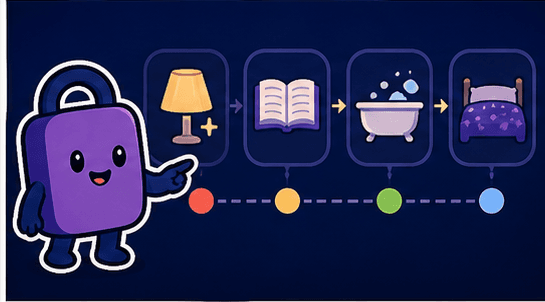
Teeth grinding, sleep talking, snoring... habits you're completely unaware of, but your bed partner knows all too well. Why do these sleep habits occur? And how can you fix them? Let's explore the causes and scientific solutions for various unconscious sleep behaviors.
What Are Sleep Habits?
Sleep habits are unconscious behaviors or phenomena that occur during sleep. While you may not be aware of them, they can reduce sleep quality and disturb your sleep partner.
Most sleep habits are caused by various factors including stress, fatigue, and sleep environment, and can be improved with proper management.
Important Note
Sleep habits aren't just simple behaviors - they can be signs of sleep disorders. Severe cases may require professional consultation.
Common Sleep Habits and Their Causes
Teeth Grinding (Bruxism)
Grinding or clenching teeth during sleep.
Related to stress, anxiety, misaligned teeth, and sleep apnea.
Sleep Talking
Unconsciously speaking during sleep.
Main causes include stress, fever, alcohol consumption, and sleep deprivation.
Snoring
Vibration sound caused by narrowed airways.
Caused by obesity, alcohol, sleep position, and nasal structure issues.
Leg Movements (Restless Leg Syndrome)
Moving or shaking legs during sleep.
Related to iron deficiency, nervous system issues, and excessive caffeine intake.
Tossing and Turning
Frequently changing positions and poor sleep.
Can be caused by uncomfortable mattress, temperature, stress, or pain.
Hidden Causes of Sleep Habits
Understanding the root causes of sleep habits helps find effective solutions.
Stress and Anxiety
Daytime stress manifests as unconscious behaviors during sleep. This is the most common cause of teeth grinding and sleep talking.
Sleep Deprivation
Not getting enough sleep reduces sleep quality and can trigger various sleep habits.
Alcohol and Caffeine
Alcohol relaxes muscles and worsens snoring, while caffeine can trigger restless leg syndrome.
Sleep Environment
Uncomfortable bedding, improper temperature, and noise can cause habits like tossing and turning.
Solutions for Sleep Habits
Practical methods to improve sleep habits.
Stress Management
Relax before bed with meditation, yoga, or deep breathing. Stress reduction effectively improves teeth grinding and sleep talking.
Regular Sleep Schedule
Go to bed and wake up at the same time every day. Regular sleep improves sleep quality and reduces sleep habits.
Improve Sleep Environment
Use a comfortable mattress and pillow, maintain proper room temperature (18-20°C), and keep the room dark.
Limit Alcohol and Caffeine
Avoid alcohol and caffeine 4-6 hours before bedtime.
Use a Mouth Guard
For severe teeth grinding, a custom mouth guard from the dentist can prevent tooth damage.
Sleep Position Correction
Sleeping on your side can reduce snoring. Try using a sleep position pillow.
When to Seek Professional Help
Consult a sleep specialist if:
- Teeth grinding causes tooth wear or jaw pain
- Severe snoring and suspected sleep apnea
- Sleep habits cause excessive daytime fatigue
- Sleep habits suddenly worsen or new habits develop
- Sleep habits seriously disturb your partner's sleep
Overcoming Sleep Habits with Healthy Sleep Practices
Most sleep habits can be improved with lifestyle changes. Stress management, regular sleep, and proper sleep environment are key.
However, severe sleep habits may be signs of sleep disorders, so consult a specialist if they don't improve.
⚠️ Important Notice
This article is for informational purposes only and is not a substitute for professional medical advice, diagnosis, or treatment. If you suspect you have a sleep disorder or any health condition, please consult a doctor or sleep specialist.

Take the First Step to Better Sleep
Build healthy sleep habits with Good Night Lock.
Download Good Night LockRelated Articles
Why Is It So Hard to Wake Up in the Morning? Understanding Sleep Inertia
Do you find yourself hitting the snooze button multiple times every morning? Feel like you need an extra hour of sleep no matter how long you slept? You're experiencing sleep inertia - a fascinating phenomenon that affects millions of people worldwide.
Why Alcohol Disrupts Your Sleep (Even Though It Makes You Drowsy)
After a drink or two, you might feel relaxed and sleepy—perfect for bedtime, right? Not quite. While alcohol can make you drowsy initially, it actually sabotages your sleep quality in ways that leave you feeling tired the next day. Let's uncover the science behind alcohol's complex relationship with sleep.
The Napoleon Sleep Method: The Truth About 4-Hour Sleep
Have you heard the story about Napoleon, the great conqueror, who exercised powerful leadership while sleeping only 4 hours a day? Is this sleep method really effective? And did Napoleon actually use this method?

Why Do We Dream So Often? The Science Behind Frequent Dreams
Why do we have vivid dreams on some nights while remembering nothing on others? Let's explore the science of dreams to understand why we dream and how we can enjoy more restful nights.
The Science of Pulling an All-Nighter: How 24 Hours Without Sleep Affects Your Body and Brain
Cramming for an exam, racing against a project deadline, or staying up all night with friends—we've all been there. But what actually happens to your body and brain when you go a full 24 hours without sleep? Let's explore the science behind all-nighters and learn how to handle them when they're truly unavoidable.
Melatonin Side Effects: What to Know About 5mg & 10mg Doses
Melatonin is a natural hormone and popular sleep aid that helps millions get better rest. However, different dosages can come with various side effects. Let's explore how melatonin works, what side effects to watch for at different doses, and how to use it safely.