Sleep Deprivation and Hair Loss: How Sleep Saves Your Hair
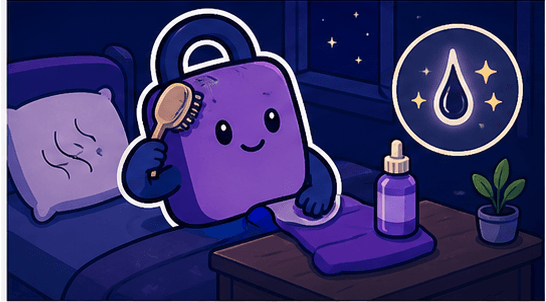
Have you noticed more hair falling out lately? Seeing clumps of hair in the shower drain? The culprit might be sleep deprivation. Let's explore the scientific connection between sleep and hair loss, and discover sleep habits for healthy hair.
Why Sleep Deprivation Causes Hair Loss
During sleep, our body releases growth hormone, performing cell regeneration and repair. This process also regenerates hair follicle cells and provides them with nutrients. Lack of sleep disrupts this regeneration, negatively affecting hair growth.
Sleep deprivation also raises cortisol, the stress hormone. Chronically high cortisol causes inflammation in hair follicles and disrupts the hair growth cycle, promoting hair loss.
Key Point
Growth hormone released during sleep is essential for hair growth. Getting 7-9 hours of adequate sleep is crucial for maintaining healthy hair.
5 Ways Sleep Deprivation Affects Your Hair
Sleep deprivation impacts hair health through various pathways:
Reduced Growth Hormone
Growth hormone released during deep sleep decreases, delaying hair follicle cell regeneration. This causes hair to become thinner and fall out more easily.
Increased Cortisol
When the stress hormone cortisol increases, it causes inflammation in hair follicles and shortens the hair growth cycle. This can particularly trigger telogen effluvium.
Poor Blood Circulation
Sleep deprivation reduces overall blood circulation, decreasing nutrient and oxygen delivery to the scalp. This leads to weakened hair and hair loss.
Weakened Immune Function
Adequate sleep is essential for maintaining the immune system. When immunity drops due to sleep deprivation, the risk of autoimmune-related hair loss like alopecia areata increases.
Reduced Protein Synthesis
Keratin, the main component of hair, is a protein. Sleep deprivation interferes with protein synthesis, making hair weak and prone to breakage.
Types of Sleep-Related Hair Loss
Let's learn about the main types of hair loss related to sleep deprivation:
Telogen Effluvium
A condition where stress or sleep deprivation causes the hair growth cycle to quickly shift to the resting phase, resulting in temporary excessive hair shedding. Recovery usually occurs within 6-9 months once the cause is addressed.
Alopecia Areata
An autoimmune condition where the immune system attacks hair follicles, causing circular patches of hair loss. Immune imbalance from sleep deprivation can trigger or worsen this condition.
Worsening of Pattern Baldness
Even genetic hair loss can worsen with sleep deprivation. Hormonal imbalance and stress accelerate hair loss progression.
Sleep Habits for Healthy Hair
Practice these sleep habits for hair health:
Maintain Regular Sleep Schedule
Go to bed and wake up at the same time every day. Consistent sleep patterns optimize growth hormone release, promoting hair growth.
Get 7-9 Hours of Sleep
Adults need 7-9 hours of sleep daily. Hair regeneration is particularly active during deep sleep stages.
Manage Pre-Bedtime Stress
Relieve stress before bed through meditation, light stretching, or warm baths. Low cortisol levels benefit hair health.
Optimize Sleep Environment
Create a dark, cool, and quiet sleep environment. Silk pillowcases reduce friction and prevent hair damage.
Limit Electronic Devices Before Bed
Blue light interferes with melatonin release. Reduce smartphone or computer use 1-2 hours before bedtime.
Limit Caffeine and Alcohol
Avoid caffeine 6 hours before bed and alcohol 4 hours before. These reduce sleep quality and negatively affect hair health.
Additional Tips for Hair Health
- 1Maintain a balanced diet rich in protein and iron
- 2Drink at least 2 liters of water daily
- 3Promote blood circulation through scalp massage
- 4Avoid excessive heat styling and chemical treatments
- 5Take hair-healthy nutrients like vitamin D and zinc
When to Seek Professional Help
Consult a dermatologist if:
- You suddenly start losing large amounts of hair
- Circular bald patches appear
- Scalp itching, pain, or redness accompanies hair loss
- Hair loss persists for more than 6 months
- You have family history and hair loss seems progressive
Adequate Sleep is Key to Hair Health
Sleep and hair health are closely connected. Adequate sleep is essential for maintaining healthy hair through growth hormone release, stress reduction, and immune function enhancement.
Start improving your sleep habits today. Regular, adequate sleep not only prevents hair loss but also improves overall health and quality of life.
⚠️ Important Notice
This article is for informational purposes only and is not a substitute for professional medical advice, diagnosis, or treatment. If you suspect you have a sleep disorder or any health condition, please consult a doctor or sleep specialist.

Take the First Step to Better Sleep
Build healthy sleep habits with Good Night Lock.
Download Good Night LockRelated Articles
Sleep Diet: Can You Lose 4kg Just by Sleeping Better?
Exercise and dieting are hard, but can you really lose weight just by sleeping well? The sleep diet isn't just a trend—it's a scientifically proven weight loss method. Let's explore how sleep helps with weight loss and discover effective sleep diet strategies.
Why Sleep Deprivation Makes You Gain Weight: The Science Behind Sleep and Obesity
Struggling to lose weight despite dieting? Exercise not helping with the scale? The culprit might be your sleep. Discover the scientific connection between sleep deprivation and weight gain, and learn how better sleep can help you achieve your weight goals.
Chronic Urticaria and Sleep: Understanding the Connection
If you're dealing with chronic hives (urticaria) that seem to worsen at night, disrupting your sleep and creating a vicious cycle of itching and exhaustion, you're not alone. The relationship between chronic urticaria and sleep disturbances affects millions of people worldwide, with nighttime symptoms being particularly challenging.
Adult Acne and Sleep Deprivation: The Hidden Connection
If you're experiencing adult acne and struggling with sleep, these issues might be more connected than you realize. Sleep deprivation triggers hormonal changes and inflammatory responses that directly contribute to acne breakouts. Understanding this relationship is key to clearing your skin.