Sleep Less, Catch More Colds? The Sleep-Immunity Connection
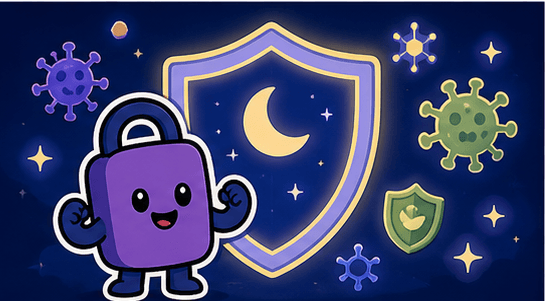
There's a close relationship between sleep and immunity. Learn why lack of sleep makes you more susceptible to colds and the sleep habits that protect your immune system.
How Sleep and Immunity Are Connected
While we sleep, our immune system works non-stop. Proteins called cytokines, released during sleep, play a crucial role in fighting infections and inflammation.
Research shows that just one night of poor sleep can reduce immune cell activity by up to 70%. Chronic sleep deprivation deals a serious blow to your immune system.
Key Point
Sleep is 'charging time' for your immune system. Immune cells regenerate and strengthen while you sleep.
How Sleep Deprivation Affects Immunity
When you lack sleep, your body's defense system weakens. Here are scientifically proven effects.
4x Higher Cold Risk
Sleeping less than 7 hours increases your chance of catching a cold by 4.2 times.
Reduced Vaccine Effectiveness
Getting vaccinated while sleep-deprived can reduce antibody production by over 50%.
Increased Inflammation
Chronic sleep deprivation raises inflammation levels in the body, increasing disease risk.
Slower Recovery
Being sick with insufficient sleep can extend recovery time by 2-3 times.
7 Hours vs 6 Hours: The One-Hour Difference
A Carnegie Mellon University study examined sleep duration and cold occurrence in 153 participants. The results were striking.
The cold incidence rate difference between those sleeping 7+ hours and those sleeping less than 6 hours was 4.2 times. Just one hour of sleep difference significantly impacts immunity.
Cold Risk by Sleep Duration
Sleep Habits That Boost Immunity
Good sleep is the foundation of immunity. Try practicing these habits.
Get 7-9 Hours
This is optimal sleep time for adults. While individual needs vary, aim for at least 7 hours.
Keep a Consistent Schedule
Sleep and wake at the same time even on weekends. Irregular sleep disrupts immune rhythms.
Maximize Deep Sleep
Immune cells regenerate most actively during deep sleep. Optimize your sleep environment.
Sleep More When Sick
Your body needs more sleep when ill. Listen to the signals and rest adequately.
Signs of Weakened Immunity
If you frequently experience these symptoms, suspect immune weakness from sleep deprivation.
Note
If these symptoms persist, improving sleep habits along with consulting a healthcare provider is recommended.
Start Protecting Your Immunity Tonight
Sleep is the most powerful immune booster. Sufficient sleep is more effective for immunity than expensive supplements.
Start by going to bed 30 minutes earlier tonight. Small changes make a big difference in protecting your immune system.
⚠️ Important Notice
This article is for informational purposes only and is not a substitute for professional medical advice, diagnosis, or treatment. If you suspect you have a sleep disorder or any health condition, please consult a doctor or sleep specialist.

Take the First Step to Better Sleep
Build healthy sleep habits with Good Night Lock.
Download Good Night LockRelated Articles
Why Is It So Hard to Wake Up in the Morning? Understanding Sleep Inertia
Do you find yourself hitting the snooze button multiple times every morning? Feel like you need an extra hour of sleep no matter how long you slept? You're experiencing sleep inertia - a fascinating phenomenon that affects millions of people worldwide.
Why Alcohol Disrupts Your Sleep (Even Though It Makes You Drowsy)
After a drink or two, you might feel relaxed and sleepy—perfect for bedtime, right? Not quite. While alcohol can make you drowsy initially, it actually sabotages your sleep quality in ways that leave you feeling tired the next day. Let's uncover the science behind alcohol's complex relationship with sleep.
The Napoleon Sleep Method: The Truth About 4-Hour Sleep
Have you heard the story about Napoleon, the great conqueror, who exercised powerful leadership while sleeping only 4 hours a day? Is this sleep method really effective? And did Napoleon actually use this method?
Why Do We Dream So Often? The Science Behind Frequent Dreams
Why do we have vivid dreams on some nights while remembering nothing on others? Let's explore the science of dreams to understand why we dream and how we can enjoy more restful nights.
The Science of Pulling an All-Nighter: How 24 Hours Without Sleep Affects Your Body and Brain
Cramming for an exam, racing against a project deadline, or staying up all night with friends—we've all been there. But what actually happens to your body and brain when you go a full 24 hours without sleep? Let's explore the science behind all-nighters and learn how to handle them when they're truly unavoidable.
Melatonin Side Effects: What to Know About 5mg & 10mg Doses
Melatonin is a natural hormone and popular sleep aid that helps millions get better rest. However, different dosages can come with various side effects. Let's explore how melatonin works, what side effects to watch for at different doses, and how to use it safely.