The Importance of Sleep: An Essential Condition for Quality of Life
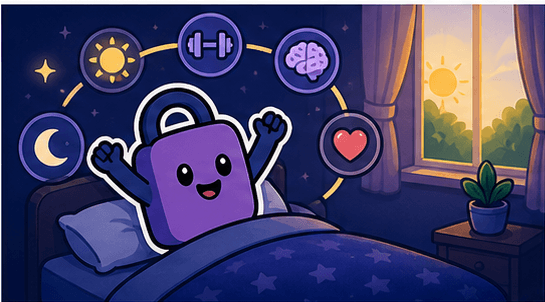
Sleep is not just rest—it's a fundamental pillar of health that affects every aspect of your life. From cognitive function to immune strength, discover why prioritizing sleep is one of the best investments you can make in yourself.
Why Sleep Matters More Than You Think
Many people view sleep as a luxury or something that can be sacrificed for productivity. However, research consistently shows that sleep is as essential as food and water for survival and optimal functioning.
During sleep, your body performs critical maintenance functions that cannot happen while you're awake. Your brain consolidates memories, your tissues repair themselves, and hormones that regulate growth and appetite are released.
Key Insight
Adults who consistently sleep less than 7 hours per night have a 12% higher risk of premature death compared to those who sleep 7-8 hours.
The Physical Benefits of Quality Sleep
Sleep is your body's primary recovery mechanism. Here's what happens to your physical health when you prioritize sleep.
Immune System Boost
During sleep, your immune system releases cytokines that help fight infection and inflammation. Sleep deprivation reduces these protective proteins.
Heart Health
Quality sleep helps regulate blood pressure and reduce inflammation, lowering your risk of heart disease and stroke.
Weight Management
Sleep regulates hunger hormones (ghrelin and leptin). Poor sleep increases cravings and makes weight management harder.
Muscle Recovery
Growth hormone is primarily released during deep sleep, essential for muscle repair and athletic performance.
Mental and Cognitive Benefits
Your brain needs sleep to function at its best. Here's how sleep impacts your mental performance.
Memory Consolidation
During sleep, your brain transfers short-term memories to long-term storage. This is why a good night's sleep after studying improves retention.
Problem Solving
Sleep enhances creative thinking and problem-solving abilities. Many breakthrough ideas come after a good night's rest.
Emotional Regulation
REM sleep helps process emotions and reduce reactivity to negative stimuli, improving emotional stability.
Focus and Attention
Well-rested individuals show significantly better concentration, faster reaction times, and fewer errors.
The Consequences of Sleep Deprivation
Understanding what happens when you don't get enough sleep can motivate better habits.
Impaired Judgment
Sleep-deprived individuals often don't recognize how impaired they are, similar to being under the influence of alcohol.
Increased Accidents
Drowsy driving causes thousands of accidents annually. Being awake for 18 hours is equivalent to a blood alcohol level of 0.05%.
Mental Health Impact
Chronic sleep deprivation is strongly linked to depression, anxiety, and other mental health disorders.
Long-term Health Risks
Persistent lack of sleep increases risk of diabetes, obesity, cardiovascular disease, and cognitive decline.
How Much Sleep Do You Really Need?
Sleep needs vary by age and individual factors. Here are general guidelines.
Adults (18-64)
7-9 hours
Older Adults (65+)
7-8 hours
Teenagers (14-17)
8-10 hours
Children (6-13)
9-11 hours
These are guidelines. Some individuals function well with slightly more or less sleep. The key is how you feel during the day.
Signs You're Not Getting Enough Sleep
Your body sends signals when it needs more rest. Watch for these warning signs.
Make Sleep a Priority
Sleep is not a luxury—it's a biological necessity. By prioritizing sleep, you're investing in better health, sharper thinking, improved mood, and a longer life.
Start tonight by setting a consistent bedtime, creating a relaxing pre-sleep routine, and making your bedroom a sleep sanctuary. The benefits will compound over time, transforming your quality of life.
⚠️ Important Notice
This article is for informational purposes only and is not a substitute for professional medical advice, diagnosis, or treatment. If you suspect you have a sleep disorder or any health condition, please consult a doctor or sleep specialist.

Take the First Step to Better Sleep
Build healthy sleep habits with Good Night Lock.
Download Good Night LockRelated Articles
Why Is It So Hard to Wake Up in the Morning? Understanding Sleep Inertia
Do you find yourself hitting the snooze button multiple times every morning? Feel like you need an extra hour of sleep no matter how long you slept? You're experiencing sleep inertia - a fascinating phenomenon that affects millions of people worldwide.
Why Alcohol Disrupts Your Sleep (Even Though It Makes You Drowsy)
After a drink or two, you might feel relaxed and sleepy—perfect for bedtime, right? Not quite. While alcohol can make you drowsy initially, it actually sabotages your sleep quality in ways that leave you feeling tired the next day. Let's uncover the science behind alcohol's complex relationship with sleep.
The Napoleon Sleep Method: The Truth About 4-Hour Sleep
Have you heard the story about Napoleon, the great conqueror, who exercised powerful leadership while sleeping only 4 hours a day? Is this sleep method really effective? And did Napoleon actually use this method?
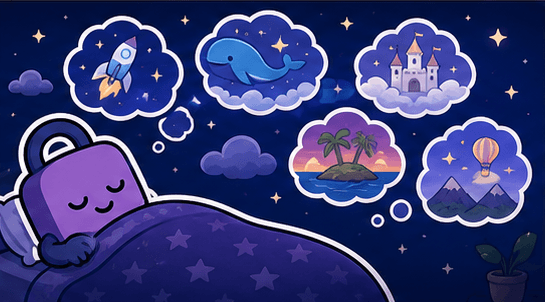
Why Do We Dream So Often? The Science Behind Frequent Dreams
Why do we have vivid dreams on some nights while remembering nothing on others? Let's explore the science of dreams to understand why we dream and how we can enjoy more restful nights.
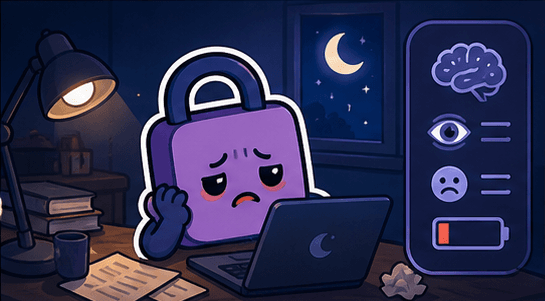
The Science of Pulling an All-Nighter: How 24 Hours Without Sleep Affects Your Body and Brain
Cramming for an exam, racing against a project deadline, or staying up all night with friends—we've all been there. But what actually happens to your body and brain when you go a full 24 hours without sleep? Let's explore the science behind all-nighters and learn how to handle them when they're truly unavoidable.
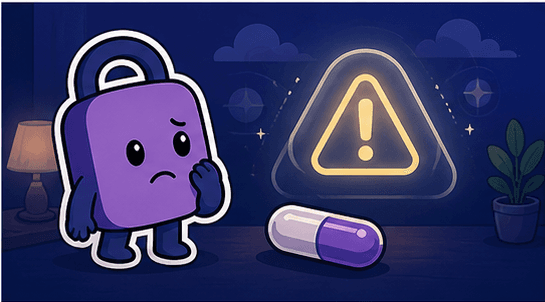
Melatonin Side Effects: What to Know About 5mg & 10mg Doses
Melatonin is a natural hormone and popular sleep aid that helps millions get better rest. However, different dosages can come with various side effects. Let's explore how melatonin works, what side effects to watch for at different doses, and how to use it safely.