The Science of Sleep Masks: How to Choose the Perfect One for Better Sleep
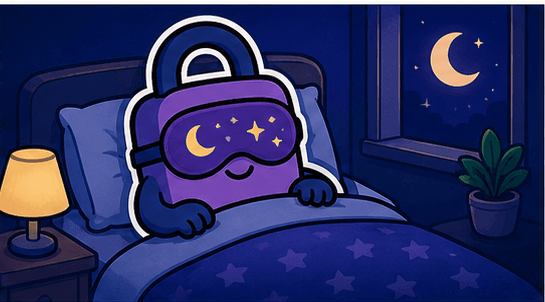
A simple sleep mask might be the most underrated sleep tool. Research shows that even small amounts of light can disrupt sleep quality, yet many people overlook this easy fix. Whether you're dealing with streetlights, a partner who stays up late, or early morning sunlight, the right sleep mask can dramatically improve your rest. Here's what science says about choosing and using one effectively.
Why Darkness Matters for Sleep Quality
Your body's sleep-wake cycle is controlled by light exposure. Even minimal light reaching your eyes during sleep can interfere with melatonin production and disrupt sleep architecture.
Here's what research shows about light and sleep:
Melatonin Suppression
Even dim light (as low as 8-10 lux—equivalent to a night light) can suppress melatonin, the hormone that regulates sleep timing and quality.
Sleep Stage Disruption
Light exposure during sleep reduces time spent in deep sleep and REM sleep, the most restorative stages.
Circadian Confusion
Light signals to your brain that it's daytime, conflicting with your need to sleep and potentially shifting your circadian rhythm.
Morning Light Triggers
Early morning light causes cortisol release and suppresses melatonin, waking you before you're fully rested.
A 2022 study found that people sleeping in rooms with even moderate light exposure had higher heart rates, reduced insulin sensitivity, and worse mood the next day compared to those in completely dark rooms.
Benefits of Using a Sleep Mask
For many people, a sleep mask is more practical than blackout curtains or moving to a darker room. The benefits include:
- Complete darkness regardless of external light sources
- Portable—works in hotels, airplanes, or when traveling
- Affordable solution compared to blackout curtains or room changes
- Faster sleep onset by blocking visual stimulation
- Fewer middle-of-night wake-ups from light changes
- Protection from partner's phone/TV use in shared bedrooms
- Helpful for shift workers sleeping during daylight hours
Research shows that sleep mask users report better sleep quality, longer sleep duration, and reduced sleep latency (time to fall asleep) compared to sleeping without masks in light-exposed environments.
How to Choose the Perfect Sleep Mask
Not all sleep masks are created equal. The wrong mask can be uncomfortable, slip off, or create pressure on your eyes. Here's what to look for:
Complete Light Blocking
The primary function. Look for masks with wide coverage and nose-bridge padding that prevents light leaks around the nose area.
Contoured vs. Flat Design
Contoured masks have eye cavities that keep fabric off your eyelids and lashes. Great for people who blink often or wear eyelash extensions. Flat masks work fine if they don't bother you.
Breathable Material
Choose natural fabrics like silk, cotton, or bamboo that wick moisture and won't cause overheating or skin irritation. Avoid synthetic materials unless specifically designed for breathability.
Adjustable Strap
An adjustable strap (preferably with velcro or buckle) ensures proper fit without being too tight or loose. Some masks use elastic bands—these should be soft and not create pressure.
Weight and Padding
Lightweight masks (under 1 oz) are less noticeable. Weighted masks (1-2 oz) provide gentle pressure that some find calming, similar to the deep touch pressure effect.
Hypoallergenic
If you have sensitive skin, look for masks labeled hypoallergenic with no rough seams that could irritate skin.
Top Sleep Mask Types and Their Uses
Different mask styles work better for different needs:
Standard Flat Masks
Simple, affordable, effective. Best for: budget-conscious buyers, minimalists, people who sleep on their backs.
Contoured/3D Masks
Eye cavities prevent pressure on eyeballs and lashes. Best for: side sleepers, people with long lashes, those sensitive to eye pressure.
Silk Masks
Luxuriously soft, temperature-regulating, gentle on skin. Best for: people with sensitive skin, hot sleepers, those concerned about sleep wrinkles.
Weighted Masks
Provide gentle pressure for calming effect. Best for: people with anxiety, migraines, or who like the feeling of weighted blankets.
Cooling Gel Masks
Can be refrigerated for cooling effect. Best for: headaches, eye strain, puffy eyes, hot sleepers.
Bluetooth/Built-in Headphones
Play audio without ear buds. Best for: people who listen to sleep sounds, meditations, or podcasts to fall asleep.
How to Use a Sleep Mask Effectively
Even the best mask won't work if used incorrectly. Follow these tips:
- Give yourself 3-7 nights to adjust—masks feel strange at first
- Adjust straps so the mask stays in place but doesn't create pressure
- Position the mask to cover eyes completely without pressing on eyeballs
- If you're a side sleeper, ensure the mask doesn't shift when your head contacts the pillow
- Wash your mask regularly (weekly) to prevent oil buildup and skin irritation
- Replace elastic masks every 6-12 months as elasticity degrades
- Pair with earplugs if noise is also an issue
- Keep mask near bed so it's easy to put on without fully waking if needed
For couples: if your partner needs light to read or use devices, a sleep mask is less disruptive than arguing about lights or separate rooms.
Common Sleep Mask Problems and Solutions
If your mask isn't working, try these fixes:
Mask Slips Off During Night
Try a contoured mask with better fit, or adjust straps tighter. Side sleepers may need masks specifically designed for side sleeping.
Pressure on Eyes Uncomfortable
Switch to a contoured/3D mask with eye cavities that keep fabric away from eyeballs.
Too Hot/Sweaty
Use breathable fabrics like silk or bamboo. Avoid foam-padded masks. Try a cooling gel mask.
Light Leaks Around Nose
Look for masks with molded nose bridges or adjustable nose pads that conform to your face shape.
Skin Irritation
Wash mask more frequently, choose hypoallergenic materials, avoid masks with rough seams, consider silk.
Can't Get Used to Wearing It
Start by wearing it for short daytime naps. Gradually increase duration. Try different styles—some people prefer flat while others need contoured.
A Simple Tool for Profound Sleep Improvement
For such a simple, inexpensive tool, sleep masks punch well above their weight in sleep improvement potential. In our modern world full of light pollution, streetlights, and glowing devices, creating true darkness is challenging.
A quality sleep mask solves this problem immediately and portably. Whether you're trying to sleep during the day, travel frequently, or just want deeper sleep, a mask tailored to your needs can make a significant difference.
Give it a fair trial—at least a week—before deciding it's not for you. Your brain needs time to adjust to any new sleep routine change. The investment of $10-30 and a week of adjustment could pay dividends in sleep quality for years to come.
⚠️ Important Notice
This article is for informational purposes only and is not a substitute for professional medical advice, diagnosis, or treatment. If you suspect you have a sleep disorder or any health condition, please consult a doctor or sleep specialist.

Take the First Step to Better Sleep
Build healthy sleep habits with Good Night Lock.
Download Good Night LockRelated Articles
The Surprising Benefits of Sleep Socks: Why Warming Your Feet Helps You Sleep
Did you know that wearing socks to bed can help you fall asleep faster? While it may sound like an old wives' tale, there's actually solid scientific evidence behind this practice. Discover how sleep socks can improve your sleep quality and learn the proper way to use them.
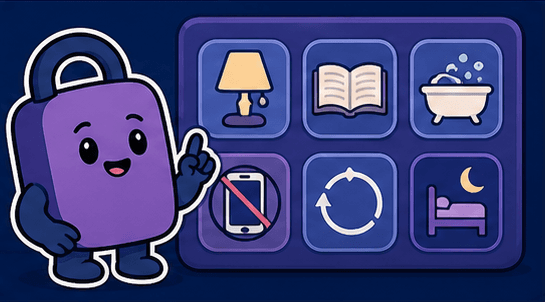
Can't Sleep? 4 Science-Backed Tips to Fall Asleep Fast
We've all experienced lying in bed, tossing and turning, unable to fall asleep. Trying to force sleep often makes it worse. Discover 4 scientifically proven methods to naturally fall asleep when you can't sleep.
Miracle Morning: Experience the Magic of Early Rising
The Miracle Morning is a life-transforming morning routine that has helped millions of people worldwide achieve greater success, happiness, and health. By waking up early and dedicating time to personal development, you can unlock your full potential and create lasting positive change in your life.
Better Sleep: Smart Ways to Get Deep, Quality Rest
Getting quality sleep is essential for physical health, mental clarity, and overall well-being. Yet many people struggle to achieve truly restful sleep. This comprehensive guide explores scientifically-backed strategies to help you fall asleep faster, sleep more deeply, and wake up feeling refreshed.
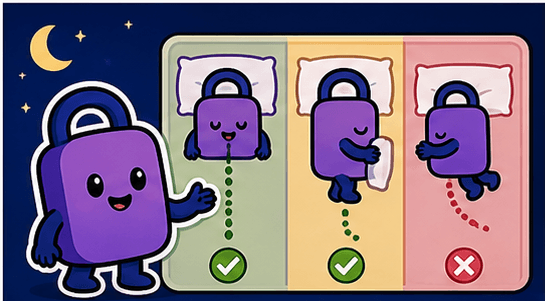
Check Your Sleep Position: Finding the Best Way to Sleep
Your sleep position affects more than just your comfort—it can impact your breathing, digestion, spine alignment, and even skin health. Many people sleep in the same position for years without realizing how it might be affecting their sleep quality. Let's examine different sleep positions and help you find the best one for your needs.

Gift Ideas for Students: Thoughtful Presents to Support Hard-Working Students
Students face intense pressure during exam periods, juggling long study hours with stress and sleep deprivation. A thoughtful gift can provide comfort, improve their well-being, and show your support during these challenging times. Here are the best gift ideas to help students stay healthy, focused, and encouraged.