How to Prevent Sleep Paralysis: Causes, Triggers, and Solutions
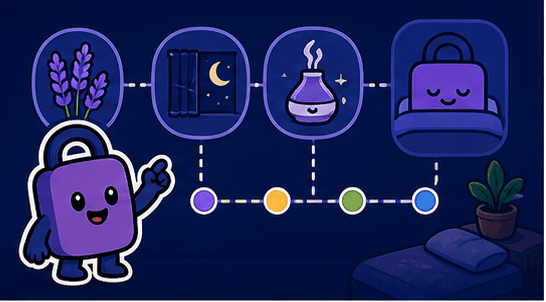
Sleep paralysis can be a terrifying experience—waking up unable to move or speak, often accompanied by hallucinations. While this phenomenon is more common than many realize, affecting up to 8% of people at some point, understanding its causes and triggers can help you prevent future episodes and regain control of your sleep.
Understanding Sleep Paralysis
Sleep paralysis occurs when your mind wakes up before your body exits REM (rapid eye movement) sleep. During REM, your brain paralyzes most muscles to prevent you from acting out dreams. When this paralysis persists into wakefulness, you experience sleep paralysis.
The REM Connection
Sleep paralysis happens during transitions into or out of REM sleep, when muscle atonia (paralysis) doesn't sync with consciousness
Duration
Episodes typically last from a few seconds to a couple of minutes, though they can feel much longer
Hallucinations
Many people experience vivid visual, auditory, or sensory hallucinations during episodes, including sensing a presence
Safety Note
While frightening, sleep paralysis is not dangerous—your breathing continues normally even though you can't move
Common Triggers and Risk Factors
Identifying your personal triggers is key to preventing sleep paralysis. These factors increase your likelihood of experiencing episodes.
Sleep Deprivation
Not getting enough sleep is the most common trigger, as it disrupts your sleep cycle and REM patterns
Irregular Sleep Schedule
Frequently changing when you sleep confuses your body's internal clock and REM timing
Sleeping on Your Back
The supine position is strongly associated with sleep paralysis episodes in many people
Stress and Anxiety
High stress levels and anxiety disorders significantly increase the frequency of episodes
Shift Work and Jet Lag
Disrupted circadian rhythms from irregular schedules or travel can trigger episodes
Prevention Strategies
While you can't always prevent sleep paralysis entirely, these strategies can significantly reduce the frequency and intensity of episodes.
Maintain Regular Sleep Hours
Go to bed and wake up at the same time every day, even on weekends, to stabilize your sleep cycles
Get Adequate Sleep
Aim for 7-9 hours nightly to prevent the sleep deprivation that often triggers episodes
Avoid Sleeping on Your Back
Try side sleeping or use a body pillow to prevent rolling onto your back during the night
Manage Stress
Practice relaxation techniques before bed such as meditation, deep breathing, or progressive muscle relaxation
What to Do During an Episode
If you experience sleep paralysis, knowing how to respond can help the episode pass more quickly and reduce fear.
Stay Calm
Remember that the episode is temporary and not dangerous—panic can make it feel longer and more intense
Focus on Small Movements
Try to wiggle your fingers or toes, as small movements can help break the paralysis
Control Your Breathing
Focus on taking slow, deep breaths to help calm your nervous system
Avoid Fighting It
Struggling against the paralysis can increase anxiety—instead, relax and let it pass naturally
Lifestyle Changes for Long-Term Prevention
Making these lifestyle adjustments can help reduce the overall frequency of sleep paralysis episodes over time.
Limit Caffeine and Alcohol
Avoid these substances, especially in the hours before bed, as they can disrupt REM sleep
Exercise Regularly
Regular physical activity improves sleep quality, but avoid intense exercise close to bedtime
Create a Relaxing Bedtime Routine
Wind down with calming activities like reading or gentle stretching before sleep
Optimize Your Sleep Environment
Keep your bedroom cool, dark, and quiet to promote uninterrupted sleep
Quick Tips to Reduce Sleep Paralysis
- •Keep a sleep diary to identify your personal triggers
- •Set consistent sleep and wake times, even on weekends
- •Use a tennis ball sewn into your pajama back to prevent back sleeping
- •Practice meditation or deep breathing before bed
- •Avoid screens for at least 30 minutes before sleep
- •Consider cognitive behavioral therapy if episodes are frequent
When to Seek Medical Help
- •Episodes occur frequently (several times a week or more)
- •You experience excessive daytime sleepiness alongside sleep paralysis
- •Episodes cause significant anxiety or affect your quality of life
- •You suspect an underlying sleep disorder like narcolepsy
- •Prevention strategies aren't reducing the frequency of episodes
Taking Control of Your Sleep
While sleep paralysis can be a disturbing experience, understanding its causes empowers you to take preventive action. By maintaining consistent sleep habits, managing stress, and avoiding known triggers, most people can significantly reduce or eliminate episodes.
Remember that sleep paralysis, while scary, is a relatively common and harmless phenomenon. If you're experiencing frequent episodes, don't hesitate to consult a sleep specialist who can help identify underlying causes and develop a personalized prevention plan.
⚠️ Important Notice
This article is for informational purposes only and is not a substitute for professional medical advice, diagnosis, or treatment. If you suspect you have a sleep disorder or any health condition, please consult a doctor or sleep specialist.

Take the First Step to Better Sleep
Build healthy sleep habits with Good Night Lock.
Download Good Night LockRelated Articles
The Complete Guide to Insomnia: Causes, Symptoms, and Scientifically Proven Treatments
Do you find yourself staring at the ceiling every night, tossing and turning? Does it take you more than 30 minutes to fall asleep, or do you keep waking up in the early morning? Insomnia, experienced by 1 in 3 adults worldwide, isn't just about 'not being able to sleep.' Let's explore the scientific causes of insomnia through to evidence-based treatments.
Complete Guide to Narcolepsy: Symptoms, Causes, Diagnosis, and Treatment
Sudden overwhelming sleepiness, knees buckling while laughing... Narcolepsy isn't just 'being sleepy.' It's a neurological disorder caused by hypocretin deficiency. Learn everything about this condition that affects 1 in 2,000 people.
The Complete Guide to Snoring: Causes, Risks, and Solutions
Do you wake your partner every night with thunderous snoring? Or have you ever been startled awake by your own snoring? Snoring isn't just a noisy nuisance—it can be a signal of underlying health issues. About 40% of adults worldwide snore habitually, and some cases involve serious sleep apnea. Let's explore everything from the causes of snoring to effective treatments.
Orthosomnia: When Sleep Tracking Disrupts Your Sleep
Do you feel more anxious after checking your sleep score on your smartwatch? Has your pursuit of perfect sleep actually made it harder to sleep? This is 'Orthosomnia.' As sleep tracking devices become mainstream, we explore this modern sleep disorder that has emerged from our obsession with sleep data.
Awake Until Dawn? It Could Be Delayed Sleep Phase Syndrome (DSPS)
Do you try to fall asleep every night but can't until 2-3 AM, and then struggle terribly to wake up in the morning? If being a 'night owl' is seriously disrupting your daily life, you might have Delayed Sleep Phase Syndrome (DSPS).
Why Can't I Sleep? Understanding Insomnia and Sleep Disorders
Lying in bed but can't fall asleep? Does trying harder to sleep only make you feel more awake? Learn about the causes and solutions to this common problem faced by many modern people.