Why You Talk in Your Sleep: Causes, Treatment, and Prevention
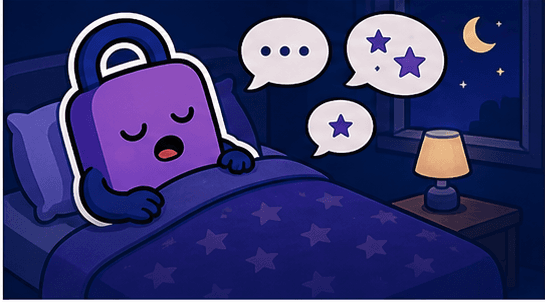
Do you unknowingly speak during sleep and remember nothing the next day? Sleep talking is more common than you might think. Discover why we talk while sleeping, when to be concerned, and how to reduce this nighttime phenomenon through science.
What is Sleep Talking?
Sleep talking (Somniloquy) is the phenomenon of unconsciously speaking during sleep. It ranges from simple mumbling to complete sentences and can occur during any sleep stage.
While sleep talking can happen at any age, it's particularly common in children (ages 3-10). About 5% of adults regularly talk in their sleep, and almost everyone experiences it at least once in their lifetime.
Good to Know
Sleep talking is usually a harmless sleep phenomenon. However, if severe sleep talking persists or occurs with other sleep disorders, professional consultation may be necessary.
5 Main Causes of Sleep Talking
While the exact cause of sleep talking isn't fully understood, these factors are known to contribute:
1. Stress and Anxiety
High stress levels and anxiety can decrease sleep quality and trigger sleep talking. When stressed, the brain doesn't fully relax, potentially activating speech during sleep.
2. Sleep Deprivation
Insufficient sleep leads to unstable sleep architecture. This causes irregular transitions between deep and light sleep, increasing sleep talking.
3. Fever and Illness
Sleep talking often increases during fever or illness. Elevated body temperature can disrupt normal sleep patterns, triggering speech during sleep.
4. Alcohol and Substances
Alcohol, caffeine, and certain medications can affect sleep structure, causing or worsening sleep talking. Alcohol particularly suppresses REM sleep early then causes a rebound effect later.
5. Genetic Factors
If family members talk in their sleep, you're more likely to as well. Research shows sleep talking has genetic tendencies and often runs in families alongside sleepwalking and bedwetting.
Types and Characteristics of Sleep Talking
Sleep talking characteristics vary depending on the sleep stage:
Stage 1-2 Sleep (Light Sleep)
Sleep talking during this stage tends to be more understandable and may resemble actual conversation. Content is often more logical.
Stage 3-4 Sleep (Deep Sleep)
Sleep talking from deep sleep usually appears as groans or incomprehensible mumbling. It's more sounds than clear words.
REM Sleep
Sleep talking during dream-filled REM sleep may relate to dream content. It can be emotional or dramatic, sometimes appearing as reactions to dream scenarios.
When to See a Doctor
Most sleep talking is harmless, but consider professional consultation in these cases:
Sudden Onset of Severe Sleep Talking
If severe sleep talking suddenly starts in adulthood, it may signal stress, sleep apnea, or other sleep disorders.
Accompanied by Violent Behavior
If sleep talking comes with kicking, arm swinging, or other violent behaviors, REM Sleep Behavior Disorder (RBD) should be considered.
Daytime Sleepiness
If sleep talking is accompanied by severe daytime drowsiness, sleep quality may be compromised.
First Occurrence After Age 50
When sleep talking first begins in middle age or later, it may be an early symptom of neurodegenerative conditions requiring evaluation.
7 Ways to Reduce Sleep Talking
While completely eliminating sleep talking is difficult, these methods can reduce frequency:
Maintain Regular Sleep Schedule
Go to bed and wake up at the same time daily. Consistent sleep patterns improve sleep quality and reduce sleep talking.
Get Adequate Sleep
Adults need 7-9 hours of sleep. Sleep deprivation is one of the main causes of sleep talking.
Manage Stress
Practice relaxation techniques like meditation, yoga, or deep breathing before bed. Reducing stress effectively decreases sleep talking frequency.
Avoid Alcohol and Caffeine Before Bed
Avoid alcohol 4 hours and caffeine 6 hours before bedtime. These disrupt sleep architecture.
Avoid Overeating
Heavy meals before bed can disrupt sleep due to digestive activity. Opt for light snacks instead.
Optimize Sleep Environment
Create a cool, dark, and quiet sleeping environment. Ideal bedroom temperature is 65-68°F (18-20°C).
Keep a Sleep Diary
Track patterns of sleep talking occurrence. You may find connections to specific foods, activities, or stress.
Interesting Facts About Sleep Talking
Sleep talking content doesn't necessarily reflect truth or actual thoughts. The brain often generates random content.
Most sleep talking episodes last less than 30 seconds and aren't remembered.
Sleep talking cannot be used as legal evidence. Content spoken during sleep isn't considered conscious statement.
About 50% of children experience sleep talking, but most naturally outgrow it by adolescence.
Don't Worry Too Much About Sleep Talking
Sleep talking is usually a harmless sleep phenomenon. Regular sleep habits and stress management can significantly improve the condition.
However, if sleep talking affects daily life, involves violent behavior, or suddenly worsens, consult a sleep specialist. Good sleep habits are the foundation of a healthy life.
⚠️ Important Notice
This article is for informational purposes only and is not a substitute for professional medical advice, diagnosis, or treatment. If you suspect you have a sleep disorder or any health condition, please consult a doctor or sleep specialist.

Take the First Step to Better Sleep
Build healthy sleep habits with Good Night Lock.
Download Good Night LockRelated Articles
The Complete Guide to Insomnia: Causes, Symptoms, and Scientifically Proven Treatments
Do you find yourself staring at the ceiling every night, tossing and turning? Does it take you more than 30 minutes to fall asleep, or do you keep waking up in the early morning? Insomnia, experienced by 1 in 3 adults worldwide, isn't just about 'not being able to sleep.' Let's explore the scientific causes of insomnia through to evidence-based treatments.
Complete Guide to Narcolepsy: Symptoms, Causes, Diagnosis, and Treatment
Sudden overwhelming sleepiness, knees buckling while laughing... Narcolepsy isn't just 'being sleepy.' It's a neurological disorder caused by hypocretin deficiency. Learn everything about this condition that affects 1 in 2,000 people.
The Complete Guide to Snoring: Causes, Risks, and Solutions
Do you wake your partner every night with thunderous snoring? Or have you ever been startled awake by your own snoring? Snoring isn't just a noisy nuisance—it can be a signal of underlying health issues. About 40% of adults worldwide snore habitually, and some cases involve serious sleep apnea. Let's explore everything from the causes of snoring to effective treatments.
Orthosomnia: When Sleep Tracking Disrupts Your Sleep
Do you feel more anxious after checking your sleep score on your smartwatch? Has your pursuit of perfect sleep actually made it harder to sleep? This is 'Orthosomnia.' As sleep tracking devices become mainstream, we explore this modern sleep disorder that has emerged from our obsession with sleep data.
Awake Until Dawn? It Could Be Delayed Sleep Phase Syndrome (DSPS)
Do you try to fall asleep every night but can't until 2-3 AM, and then struggle terribly to wake up in the morning? If being a 'night owl' is seriously disrupting your daily life, you might have Delayed Sleep Phase Syndrome (DSPS).
Why Can't I Sleep? Understanding Insomnia and Sleep Disorders
Lying in bed but can't fall asleep? Does trying harder to sleep only make you feel more awake? Learn about the causes and solutions to this common problem faced by many modern people.