Sleep and Weight Management: The Hidden Connection
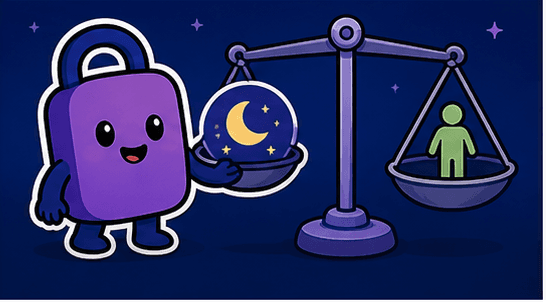
Did you know that the quality and quantity of your sleep directly affects your weight? Research shows that insufficient sleep can sabotage even the most dedicated diet and exercise plans. Understanding how sleep impacts your metabolism, hormones, and appetite can be the missing piece in your weight management puzzle.
How Sleep Affects Your Metabolism
Your metabolism doesn't stop working when you sleep—in fact, it undergoes crucial regulatory processes. During deep sleep, your body releases growth hormone, which plays a vital role in fat metabolism and muscle repair.
Sleep deprivation can reduce your resting metabolic rate by up to 5%, meaning you burn fewer calories even while at rest. Over time, this metabolic slowdown can contribute significantly to weight gain.
Growth Hormone Release
70% of daily growth hormone is released during deep sleep, essential for fat burning
Metabolic Rate
Poor sleep reduces resting metabolism, making weight loss harder
Insulin Sensitivity
Just one night of poor sleep can reduce insulin sensitivity by 25%
Hunger Hormones and Sleep
Sleep profoundly affects the hormones that control hunger and fullness. When you're sleep-deprived, these hormones get thrown out of balance:
Ghrelin (Hunger Hormone)
Increases with sleep deprivation, making you feel hungrier even when you've eaten enough
Leptin (Satiety Hormone)
Decreases when you don't sleep well, reducing feelings of fullness after meals
Cortisol (Stress Hormone)
Elevated after poor sleep, promotes fat storage especially around the midsection
Studies show sleep-deprived individuals consume an average of 385 extra calories per day.
Sleep Duration and Weight Gain
Research has consistently shown a strong relationship between sleep duration and body weight:
Short Sleepers (<6 hours)
33% more likely to be overweight or obese compared to those sleeping 7-8 hours
Optimal Sleep (7-9 hours)
Associated with healthier body weight and easier weight management
Long Sleepers (>9 hours)
May also face increased obesity risk, suggesting quality matters as much as quantity
Food Choices and Sleep Deprivation
When you're tired, your brain craves quick energy—leading to poor food choices:
Increased Cravings
Tired brains show increased activity in reward centers when viewing high-calorie foods
Reduced Willpower
The prefrontal cortex, responsible for decision-making, is impaired by lack of sleep
Late-Night Snacking
Staying up late increases opportunities for extra eating, especially unhealthy snacks
Comfort Eating
Fatigue triggers emotional eating as the body seeks mood-boosting foods
Exercise and Sleep Connection
Sleep and exercise have a bidirectional relationship when it comes to weight management:
Energy for Workouts
Poor sleep reduces motivation and energy, making exercise feel harder
Muscle Recovery
Sleep is when muscles repair and grow; without it, workout benefits are reduced
Fat vs. Muscle Loss
Sleep-deprived dieters lose more muscle and less fat than well-rested dieters
Exercise Improves Sleep
Regular physical activity enhances sleep quality, creating a positive cycle
Tips for Better Sleep and Weight Management
Optimize your sleep to support your weight goals with these evidence-based strategies:
Set a Consistent Schedule
Go to bed and wake up at the same time daily to regulate your body clock
Create a Sleep-Friendly Environment
Keep your bedroom dark, cool (65-68°F/18-20°C), and quiet
Limit Evening Eating
Avoid heavy meals and snacks 2-3 hours before bedtime
Reduce Screen Time
Blue light from devices suppresses melatonin; stop screens 1 hour before bed
Watch Caffeine and Alcohol
Both disrupt sleep quality even if you fall asleep quickly
Exercise Earlier
Morning or afternoon exercise promotes better sleep than evening workouts
The Weight Loss Sleep Formula
Research suggests an optimal sleep pattern for weight management:
- Aim for 7-9 hours of quality sleep per night
- Prioritize deep sleep by avoiding alcohol before bed
- Maintain consistent sleep and wake times, even on weekends
- Address sleep disorders like apnea that can affect weight
- Track your sleep patterns alongside your weight goals
Sleep: Your Secret Weight Loss Ally
The connection between sleep and weight is undeniable. While diet and exercise remain important, adequate sleep provides the hormonal balance and mental clarity needed to make healthy choices and maintain a healthy weight.
If you've been struggling with weight management despite healthy eating and regular exercise, take a close look at your sleep habits. Improving your sleep could be the breakthrough you've been looking for.
⚠️ Important Notice
This article is for informational purposes only and is not a substitute for professional medical advice, diagnosis, or treatment. If you suspect you have a sleep disorder or any health condition, please consult a doctor or sleep specialist.

Take the First Step to Better Sleep
Build healthy sleep habits with Good Night Lock.
Download Good Night LockRelated Articles
Why Is It So Hard to Wake Up in the Morning? Understanding Sleep Inertia
Do you find yourself hitting the snooze button multiple times every morning? Feel like you need an extra hour of sleep no matter how long you slept? You're experiencing sleep inertia - a fascinating phenomenon that affects millions of people worldwide.
Why Alcohol Disrupts Your Sleep (Even Though It Makes You Drowsy)
After a drink or two, you might feel relaxed and sleepy—perfect for bedtime, right? Not quite. While alcohol can make you drowsy initially, it actually sabotages your sleep quality in ways that leave you feeling tired the next day. Let's uncover the science behind alcohol's complex relationship with sleep.
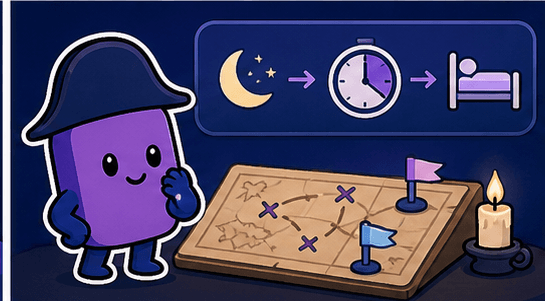
The Napoleon Sleep Method: The Truth About 4-Hour Sleep
Have you heard the story about Napoleon, the great conqueror, who exercised powerful leadership while sleeping only 4 hours a day? Is this sleep method really effective? And did Napoleon actually use this method?

Why Do We Dream So Often? The Science Behind Frequent Dreams
Why do we have vivid dreams on some nights while remembering nothing on others? Let's explore the science of dreams to understand why we dream and how we can enjoy more restful nights.
The Science of Pulling an All-Nighter: How 24 Hours Without Sleep Affects Your Body and Brain
Cramming for an exam, racing against a project deadline, or staying up all night with friends—we've all been there. But what actually happens to your body and brain when you go a full 24 hours without sleep? Let's explore the science behind all-nighters and learn how to handle them when they're truly unavoidable.
Melatonin Side Effects: What to Know About 5mg & 10mg Doses
Melatonin is a natural hormone and popular sleep aid that helps millions get better rest. However, different dosages can come with various side effects. Let's explore how melatonin works, what side effects to watch for at different doses, and how to use it safely.