Sleeping Pill Side Effects: What You Need to Know
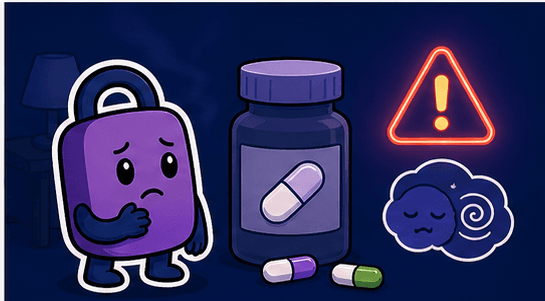
Struggling with insomnia and considering sleeping pills? While these medications can provide temporary relief, it's crucial to understand their potential side effects before starting any sleep aid. From next-day drowsiness to dependency risks, let's explore what you should know about sleeping pill safety.
Types of Sleeping Pills
Sleeping pills come in various forms, each working differently in the body. Understanding these differences can help you make informed decisions about which option might be right for you.
Common categories include benzodiazepines, non-benzodiazepine hypnotics (Z-drugs), melatonin receptor agonists, and antihistamines. Each has its own profile of benefits and risks.
Benzodiazepines
Older medications that affect GABA receptors, effective but with higher dependency risk
Z-Drugs (Zolpidem, Zaleplon)
Newer sleep aids with fewer side effects but still carry dependency concerns
Melatonin Agonists
Work with your body's natural sleep hormone, lower risk of dependency
Antihistamines
Over-the-counter options that cause drowsiness as a side effect
Common Side Effects
Most sleeping pills share similar side effects, though severity varies by individual and medication type:
Morning Drowsiness
Feeling groggy or hungover the next day, affecting work performance and driving safety
Dizziness
Balance problems and lightheadedness, especially when getting up at night
Headaches
Persistent or recurring headaches, particularly common with antihistamines
Digestive Issues
Nausea, constipation, or stomach discomfort
Memory Problems
Short-term memory lapses and difficulty concentrating
Dry Mouth
Dehydration symptoms that can affect oral health
Serious Risks to Consider
Beyond common side effects, sleeping pills carry more serious risks that deserve attention:
Dependency and Tolerance
Your body can become dependent on sleep aids, requiring higher doses for the same effect. This can lead to addiction and severe withdrawal symptoms.
Complex Sleep Behaviors
Some people experience sleepwalking, sleep-eating, or even sleep-driving with no memory of these activities.
Rebound Insomnia
When stopping sleeping pills, insomnia often returns worse than before, creating a cycle of dependency.
Respiratory Depression
Particularly dangerous for those with sleep apnea or respiratory conditions, as breathing can slow significantly.
Drug Interactions
Sleeping pills can interact dangerously with other substances:
- •Alcohol: Dramatically increases sedation and respiratory risks
- •Opioid painkillers: Can cause life-threatening breathing problems
- •Other sedatives: Compounds effects and risks
- •Antidepressants: May alter drug effectiveness or cause adverse reactions
- •Antihistamines: Excessive drowsiness when combined
⚠️ Always inform your doctor about all medications and supplements you take before starting any sleep aid.
Special Populations at Risk
Some groups face higher risks from sleeping pill use:
Elderly Adults
Higher sensitivity to side effects, increased fall risk, and greater chance of cognitive impairment
Pregnant or Nursing Women
Potential risks to fetal development and breast milk contamination
People with Respiratory Conditions
Sleep apnea, COPD, or asthma patients may experience worsened breathing
Those with Mental Health Conditions
May worsen depression or interact with psychiatric medications
Safer Alternatives
Before reaching for sleeping pills, consider these evidence-based alternatives:
Cognitive Behavioral Therapy for Insomnia (CBT-I)
Gold standard treatment that addresses root causes without medication
Sleep Hygiene Improvements
Consistent schedules, dark rooms, and limiting screen time before bed
Relaxation Techniques
Meditation, progressive muscle relaxation, and deep breathing exercises
Natural Sleep Aids
Melatonin supplements, valerian root, and magnesium (with doctor approval)
If You're Currently Taking Sleeping Pills
Important guidelines for current users:
- 1Never stop suddenly - always taper under medical supervision
- 2Use the lowest effective dose for the shortest time
- 3Don't take pills unless you can dedicate 7-8 hours to sleep
- 4Avoid alcohol completely while using sleep medications
- 5Report any unusual behaviors to your doctor immediately
Making Informed Decisions
Sleeping pills can be useful short-term tools when used carefully, but they're not a long-term solution for chronic insomnia. Understanding the risks allows you to weigh the benefits against potential harms.
If sleep problems persist, work with a healthcare provider to identify underlying causes and develop a comprehensive treatment plan. Your goal should be sustainable, natural sleep - not dependency on medication.
⚠️ Important Notice
This article is for informational purposes only and is not a substitute for professional medical advice, diagnosis, or treatment. If you suspect you have a sleep disorder or any health condition, please consult a doctor or sleep specialist.

Take the First Step to Better Sleep
Build healthy sleep habits with Good Night Lock.
Download Good Night LockRelated Articles
Complete Guide to Sleep Apnea: Symptoms, Causes, Diagnosis, and Treatment
Do you sleep enough at night but still feel tired in the morning? Does your partner complain about your loud snoring? Have you ever woken up gasping for air? These symptoms could be signs of 'sleep apnea.' Let's learn about this common yet dangerous sleep disorder that affects approximately 20% of adults.
Complete Guide to REM Sleep Behavior Disorder: Why You Scream or Kick While Sleeping
Has your partner ever suddenly screamed, swung their fists, or jumped out of bed while sleeping? Or have you woken up from a vivid nightmare to find yourself hitting a wall? This could be 'REM Sleep Behavior Disorder (RBD)'. Let's explore this unusual sleep disorder.
Complete GABA Guide: Effects on Sleep and Proper Intake
Have you searched for GABA supplements because you can't sleep? 'Natural sedative', 'stress relief', 'sleep improvement'... The ads are flashy, but do they really work? Let's explore GABA's impact on sleep and the scientific evidence.
Complete Guide to Ecklonia Cava Benefits: Effects on Sleep and Scientific Evidence
Have you heard about 'Ecklonia cava extract' gaining attention as a sleep supplement? Can this brown seaweed growing along Korean and Japanese coasts really help with sleep? Let's explore the sleep benefits of Ecklonia cava extract with scientific research.
Sleep and Disc Health: Why Poor Sleep Causes Back Pain
Do you wake up with a stiff or aching back? Learn how your sleep position and mattress affect spinal health, and discover the right sleeping methods for those with disc problems.
Why Your Back Hurts When You Wake Up: Causes and Solutions
Waking up with a stiff, aching back is something many of us experience. Why does back pain occur even after a full night's sleep? In this article, we explore the causes of morning back pain and effective solutions to fix it.