Summer Sleep Temperature: The Science of Sleeping Cool
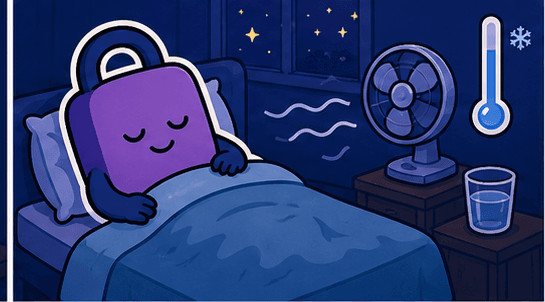
As temperatures soar in summer, getting quality sleep becomes increasingly difficult. Tossing and turning in the heat, kicking off blankets, and waking up drenched in sweat—sound familiar? The science of sleep temperature reveals why summer nights are so challenging and what you can do to sleep comfortably despite the heat.
Why Temperature Matters for Sleep
Your body temperature naturally drops as you prepare for sleep—this decrease is actually a signal to your brain that it's time to rest. Core body temperature drops by about 1-2°F (0.5-1°C) during sleep, reaching its lowest point around 4-5 AM.
When ambient temperature is too high, your body struggles to achieve this necessary temperature drop, disrupting sleep onset and quality. Research shows that thermal discomfort is one of the most common causes of poor sleep quality.
The Ideal Sleep Temperature:
Sleep scientists recommend keeping your bedroom between 60-67°F (15-19°C) for optimal sleep quality. This range supports your body's natural temperature regulation.
How Heat Disrupts Your Sleep
Summer heat affects multiple aspects of sleep architecture and quality.
Reduced Deep Sleep
High temperatures decrease the amount of slow-wave sleep (deep sleep), which is crucial for physical recovery
Less REM Sleep
Heat sensitivity disrupts REM sleep, affecting emotional regulation and memory consolidation
Increased Wakefulness
You wake more frequently during the night as your body tries to cool down
Delayed Sleep Onset
It takes longer to fall asleep when your body cannot initiate its cooling process
Lower Sleep Efficiency
More time in bed doesn't translate to more actual sleep
The Optimal Summer Sleep Temperature Range
While the general recommendation is 60-67°F (15-19°C), individual preferences vary based on several factors including age, weight, metabolism, and sleepwear.
A 2019 study in Science Advances found that even small temperature increases above personal optimal ranges significantly impaired sleep quality, with effects compounding over multiple nights.
Adults (18-64 years)
60-67°F (15-19°C)
Most adults sleep best in this range, with personal sweet spots varying within it
Elderly (65+ years)
66-70°F (19-21°C)
Older adults often prefer slightly warmer temperatures due to decreased thermoregulation
Infants and Young Children
68-72°F (20-22°C)
Children need warmer rooms as their temperature regulation is still developing
Practical Strategies for Summer Sleep
When air conditioning isn't available or affordable, these evidence-based strategies can help you sleep cooler.
Pre-Cool Your Bedroom
Run AC or fans 1-2 hours before bed to lower room temperature below your target range, then maintain it
Use Breathable Bedding
Cotton, linen, or bamboo sheets wick moisture and allow better airflow than synthetic materials
Take a Warm Shower
Counterintuitively, a warm shower 60-90 minutes before bed helps by triggering evaporative cooling afterward
Strategic Fan Placement
Position fans to create cross-ventilation; place a bowl of ice in front of the fan for cooler air
Cooling Pillow or Mattress Topper
Gel-infused or water-based cooling products help regulate head and body temperature
Minimize Heat Sources
Unplug devices, use blackout curtains during the day, and avoid using the oven in the evening
The Science of Cooling Techniques
Not all cooling methods are equally effective. Here's what research tells us.
Scientifically Proven Effective
- ✓Cooling your core body temperature through a cool (not cold) shower
- ✓Using air conditioning to maintain 60-67°F consistently
- ✓Wearing light, loose, moisture-wicking sleepwear
- ✓Keeping feet outside blankets (hands and feet are primary cooling zones)
- ✓Using ceiling fans to improve air circulation
Less Effective or Counterproductive
- ✗Ice-cold showers (cause rebound warming)
- ✗Sleeping completely naked (reduced sweat wicking)
- ✗Drinking ice water before bed (increases nighttime urination)
- ✗Heavy fans directly on body (can cause stiffness)
When to Seek Medical Advice
While most summer sleep problems are manageable, some situations warrant professional consultation.
See a Doctor If You Experience:
- •Excessive night sweats unrelated to room temperature
- •Inability to sleep despite optimal temperature
- •Severe insomnia lasting more than 3 weeks
- •Heat sensitivity accompanied by other health changes
Temperature: The Overlooked Sleep Factor
While we often focus on mattresses, pillows, and bedtime routines, temperature might be the most important environmental factor for sleep quality. Summer's challenge lies in fighting against biology—our bodies need to cool down to sleep well, but external heat makes this nearly impossible without intervention.
The good news is that even simple changes—better bedding, strategic cooling, and timing adjustments—can dramatically improve summer sleep quality. Your body will thank you with deeper, more restorative sleep, even on the hottest nights.
Don't suffer through another summer of poor sleep. Start implementing these evidence-based cooling strategies tonight and experience the difference temperature optimization can make.
⚠️ Important Notice
This article is for informational purposes only and is not a substitute for professional medical advice, diagnosis, or treatment. If you suspect you have a sleep disorder or any health condition, please consult a doctor or sleep specialist.

Take the First Step to Better Sleep
Build healthy sleep habits with Good Night Lock.
Download Good Night LockRelated Articles
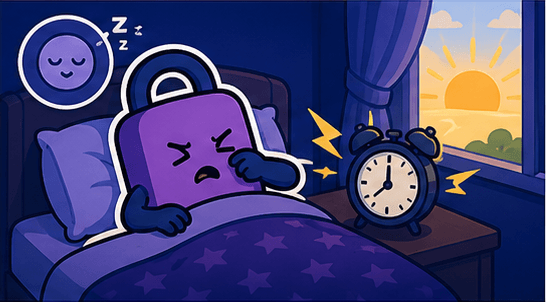
Why Is It So Hard to Wake Up in the Morning? Understanding Sleep Inertia
Do you find yourself hitting the snooze button multiple times every morning? Feel like you need an extra hour of sleep no matter how long you slept? You're experiencing sleep inertia - a fascinating phenomenon that affects millions of people worldwide.
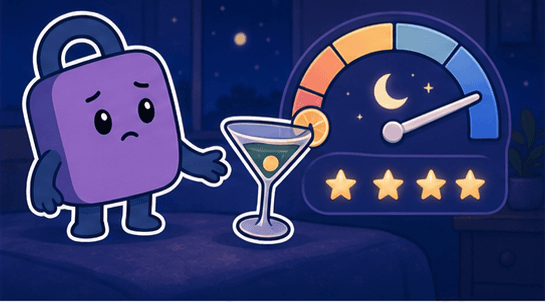
Why Alcohol Disrupts Your Sleep (Even Though It Makes You Drowsy)
After a drink or two, you might feel relaxed and sleepy—perfect for bedtime, right? Not quite. While alcohol can make you drowsy initially, it actually sabotages your sleep quality in ways that leave you feeling tired the next day. Let's uncover the science behind alcohol's complex relationship with sleep.
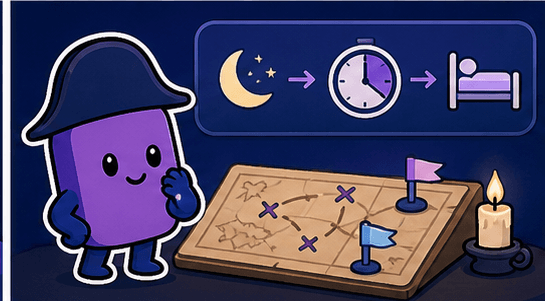
The Napoleon Sleep Method: The Truth About 4-Hour Sleep
Have you heard the story about Napoleon, the great conqueror, who exercised powerful leadership while sleeping only 4 hours a day? Is this sleep method really effective? And did Napoleon actually use this method?
Why Do We Dream So Often? The Science Behind Frequent Dreams
Why do we have vivid dreams on some nights while remembering nothing on others? Let's explore the science of dreams to understand why we dream and how we can enjoy more restful nights.
The Science of Pulling an All-Nighter: How 24 Hours Without Sleep Affects Your Body and Brain
Cramming for an exam, racing against a project deadline, or staying up all night with friends—we've all been there. But what actually happens to your body and brain when you go a full 24 hours without sleep? Let's explore the science behind all-nighters and learn how to handle them when they're truly unavoidable.
Melatonin Side Effects: What to Know About 5mg & 10mg Doses
Melatonin is a natural hormone and popular sleep aid that helps millions get better rest. However, different dosages can come with various side effects. Let's explore how melatonin works, what side effects to watch for at different doses, and how to use it safely.