Theta Waves and Sleep: The Border Between Creativity and Rest
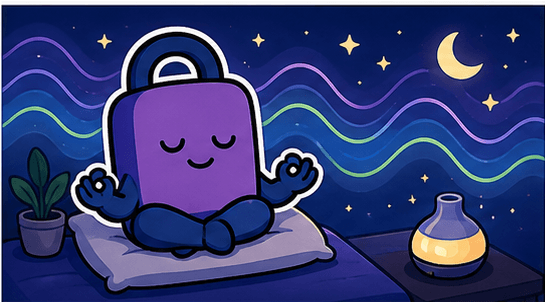
Theta waves represent a brainwave state of deep relaxation and creative inspiration. Discover how theta waves, which appear at the boundary between sleep and wakefulness, affect our sleep and mental health.
What Are Theta Waves?
Theta waves are brainwaves in the 4-8 Hz frequency range, slower than alpha waves but faster than delta waves. They primarily appear during light sleep stages (N1, N2) and deep relaxation states, representing a state at the border between consciousness and unconsciousness.
Theta waves become active during meditation, daydreaming, or the drowsy state just before falling asleep. In this state, creative ideas may emerge or intuitive insights may occur.
Characteristics of Theta Waves
Theta waves have medium amplitude and slow frequency, serving as a bridge between conscious thinking and unconscious processing. This state is closely related to learning, memory, and creativity.
Theta Waves and Sleep Stages
Theta waves play an important role in the early stages of the sleep cycle.
N1 Sleep Stage
The transition stage from wakefulness to sleep, where brainwaves change from alpha to theta, comprising about 5% of total sleep.
N2 Sleep Stage
Theta waves predominate with sleep spindles and K-complexes appearing. This is the longest stage, comprising 45-55% of total sleep.
Sleep Onset Process
Theta waves increase just before falling asleep as consciousness gradually fades and the body and mind relax.
Mental Effects of Theta Waves
The theta wave state provides various mental benefits.
- •Creative thinking and problem-solving abilities are enhanced
- •Deep relaxation and stress relief occur
- •Intuition and insight increase
- •Emotional processing and healing are facilitated
- •Learning and memory formation are strengthened
Many artists and scientists report receiving inspiration in theta wave states. Salvador Dali intentionally utilized the state just before falling asleep.
Theta Waves and Memory
Theta waves play a crucial role in memory formation and learning.
Hippocampal Theta Rhythm
Theta waves generated in the hippocampus are essential for encoding new memories and forming spatial memory.
Memory Consolidation
Theta wave activity during N2 sleep contributes to converting information learned during the day into long-term memory.
Information Processing
Unconscious information processing becomes active in the theta wave state, sometimes leading to solutions for complex problems.
Emotional Memory
Theta waves help process and store emotional experiences and are important for maintaining emotional balance.
Effects of Theta Wave Deficiency
Insufficient theta wave activity can lead to various problems.
- •Creative thinking and problem-solving abilities decrease
- •Stress and anxiety increase
- •Learning efficiency and memory decline
- •Sleep onset becomes difficult and sleep quality deteriorates
- •Emotional regulation may become difficult
Ways to Increase Theta Waves
The following methods can help enhance theta wave activity.
Meditation and Mindfulness
Regular meditation practice increases theta wave production and improves accessibility between consciousness and unconsciousness.
Using Binaural Beats
Listening to binaural beats or isochronic tones at theta frequencies (4-8 Hz) can induce brainwave entrainment.
Free Association
Before sleep, allow your mind to wander freely and observe arising thoughts without judgment.
Creative Activities
Creative activities like drawing, music, and writing naturally induce theta wave states.
Rest in Nature
Resting in natural environments increases theta waves and promotes mental recovery.
Relationship Between Theta and Other Brainwaves
Theta waves work harmoniously with other brainwaves to maintain optimal brain function.
- •Beta waves (13-30 Hz): Alertness, focus → Theta waves: Relaxation, creativity
- •Alpha waves (8-13 Hz): Calm alertness → Theta waves: Transition to deeper relaxation
- •Delta waves (0.5-4 Hz): Deep sleep → Theta waves: Light sleep, dream states
- •Gamma waves (30+ Hz): High focus → Co-occur with theta waves during moments of insight
Balance Creativity and Rest with Theta Waves
Theta waves serve as an important bridge between wakefulness and sleep, consciousness and unconsciousness. Healthy theta wave activity is essential for creativity, learning, emotional balance, and quality sleep.
The constant stimulation and stress of modern life makes it difficult to reach theta wave states. Experience the benefits of theta waves through meditation, creative activities, and rest time away from digital devices.
⚠️ Important Notice
This article is for informational purposes only and is not a substitute for professional medical advice, diagnosis, or treatment. If you suspect you have a sleep disorder or any health condition, please consult a doctor or sleep specialist.

Take the First Step to Better Sleep
Build healthy sleep habits with Good Night Lock.
Download Good Night LockRelated Articles
Why Is It So Hard to Wake Up in the Morning? Understanding Sleep Inertia
Do you find yourself hitting the snooze button multiple times every morning? Feel like you need an extra hour of sleep no matter how long you slept? You're experiencing sleep inertia - a fascinating phenomenon that affects millions of people worldwide.
Why Alcohol Disrupts Your Sleep (Even Though It Makes You Drowsy)
After a drink or two, you might feel relaxed and sleepy—perfect for bedtime, right? Not quite. While alcohol can make you drowsy initially, it actually sabotages your sleep quality in ways that leave you feeling tired the next day. Let's uncover the science behind alcohol's complex relationship with sleep.
The Napoleon Sleep Method: The Truth About 4-Hour Sleep
Have you heard the story about Napoleon, the great conqueror, who exercised powerful leadership while sleeping only 4 hours a day? Is this sleep method really effective? And did Napoleon actually use this method?

Why Do We Dream So Often? The Science Behind Frequent Dreams
Why do we have vivid dreams on some nights while remembering nothing on others? Let's explore the science of dreams to understand why we dream and how we can enjoy more restful nights.
The Science of Pulling an All-Nighter: How 24 Hours Without Sleep Affects Your Body and Brain
Cramming for an exam, racing against a project deadline, or staying up all night with friends—we've all been there. But what actually happens to your body and brain when you go a full 24 hours without sleep? Let's explore the science behind all-nighters and learn how to handle them when they're truly unavoidable.

Melatonin Side Effects: What to Know About 5mg & 10mg Doses
Melatonin is a natural hormone and popular sleep aid that helps millions get better rest. However, different dosages can come with various side effects. Let's explore how melatonin works, what side effects to watch for at different doses, and how to use it safely.