Tryptophan-Rich Foods for Better Sleep: Science-Based Guide
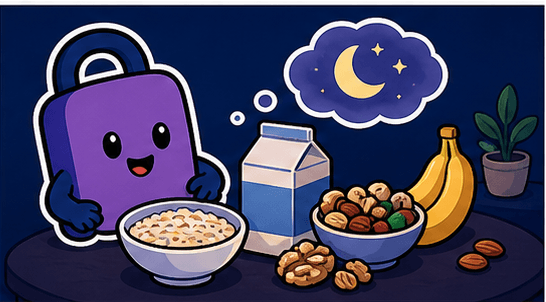
Tryptophan is an essential amino acid that plays a crucial role in sleep quality. Your body uses it to produce serotonin and melatonin, the hormones that regulate your sleep-wake cycle. Discover which foods are richest in tryptophan and how to incorporate them into your diet for better sleep.
What is Tryptophan?
Tryptophan is one of the nine essential amino acids that your body cannot produce on its own. You must obtain it through your diet. Once consumed, tryptophan crosses the blood-brain barrier and converts into 5-HTP (5-hydroxytryptophan), which then becomes serotonin.
Serotonin is often called the 'happiness hormone' because it regulates mood, but it also plays a vital role in sleep. As evening approaches, your body converts serotonin into melatonin, the hormone that makes you feel sleepy.
Key Point:
The tryptophan → serotonin → melatonin pathway is essential for natural sleep regulation. Without adequate tryptophan, your body struggles to produce enough melatonin for quality sleep.
Top Tryptophan-Rich Foods
Here are the best dietary sources of tryptophan, ranked by content per serving:
Turkey and Chicken
Poultry is one of the richest sources, with turkey breast containing about 350mg per 100g. This is why many people feel sleepy after Thanksgiving dinner!
Eggs
One large egg provides approximately 75mg of tryptophan. They're also rich in protein and other nutrients that support sleep quality.
Cheese and Dairy
Cheddar cheese contains about 340mg per 100g. Milk, yogurt, and other dairy products are also excellent sources, which explains the traditional 'warm milk before bed' remedy.
Nuts and Seeds
Pumpkin seeds lead with 560mg per 100g, followed by almonds, cashews, and walnuts. These also provide magnesium, which supports muscle relaxation.
Fish
Salmon, tuna, and halibut are rich in both tryptophan and omega-3 fatty acids, which have been linked to improved sleep quality.
Tofu and Soy Products
Excellent plant-based sources, with tofu containing about 230mg per 100g. Great options for vegetarians and vegans.
Oats and Whole Grains
Oats provide moderate tryptophan along with complex carbohydrates that help tryptophan cross the blood-brain barrier more effectively.
How to Maximize Tryptophan Absorption
Simply eating tryptophan-rich foods isn't enough. You need to help it reach your brain:
Combine with Carbohydrates
Eating carbohydrates triggers insulin release, which helps tryptophan cross the blood-brain barrier by clearing competing amino acids from the bloodstream. Try turkey with sweet potato, or oatmeal with nuts.
Timing Matters
Eat tryptophan-rich foods 2-3 hours before bedtime. This gives your body time to convert tryptophan into serotonin and then melatonin.
Avoid High-Protein Meals Right Before Bed
While protein contains tryptophan, large amounts of other amino acids compete for absorption. Keep bedtime snacks moderate.
Include Vitamin B6
This vitamin is essential for converting tryptophan to serotonin. Good sources include bananas, chickpeas, and fish.
Best Bedtime Snacks for Sleep
These combinations optimize tryptophan absorption while promoting relaxation:
- ✓Banana with almond butter on whole grain toast
- ✓Greek yogurt with honey and walnuts
- ✓Oatmeal with sliced turkey and cheese
- ✓Warm milk with a handful of pumpkin seeds
- ✓Scrambled eggs with whole wheat bread
Each of these combines tryptophan-rich foods with carbohydrates to maximize sleep-promoting effects.
Common Myths About Tryptophan
Myth: Turkey makes you extraordinarily sleepy
Truth: Turkey contains no more tryptophan than chicken or other meats. Post-Thanksgiving sleepiness is more likely due to overeating and alcohol consumption.
Myth: Tryptophan supplements work better than food
Truth: Whole foods provide tryptophan along with other nutrients that support absorption and conversion. Supplements may not be more effective and can cause side effects.
Myth: You need massive amounts of tryptophan
Truth: A balanced diet typically provides adequate tryptophan. The average adult needs only about 250-425mg per day.
Who Should Be Careful?
While tryptophan from food is generally safe, certain people should exercise caution:
- ⚠People taking SSRIs or MAO inhibitors should consult their doctor before significantly increasing tryptophan intake
- ⚠Those with kidney or liver disease should monitor protein intake carefully
- ⚠Pregnant or nursing women should stick to food sources rather than supplements
If you're considering tryptophan supplements, always consult a healthcare provider first.
Conclusion
Tryptophan-rich foods can be a natural, effective way to improve sleep quality when incorporated properly into your diet. Focus on variety, combine with carbohydrates, and time your intake strategically for the best results.
Remember that diet is just one piece of the sleep puzzle. Combine tryptophan-rich foods with good sleep hygiene, regular exercise, and stress management for optimal rest.
Start tonight by trying one of the bedtime snacks mentioned above, and track your sleep quality over the next few weeks to see if it makes a difference.
⚠️ Important Notice
This article is for informational purposes only and is not a substitute for professional medical advice, diagnosis, or treatment. If you suspect you have a sleep disorder or any health condition, please consult a doctor or sleep specialist.

Take the First Step to Better Sleep
Build healthy sleep habits with Good Night Lock.
Download Good Night LockRelated Articles
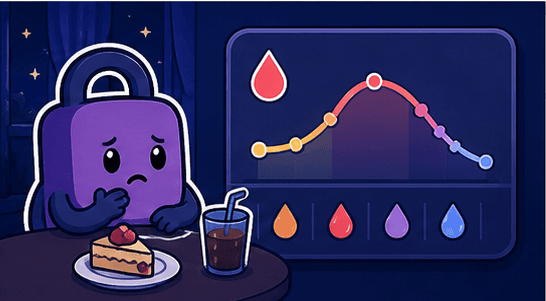
Blood Sugar Spikes and Sleep Quality: The Hidden Connection
Blood sugar fluctuations don't just affect your energy levels—they significantly impact your sleep quality. Understanding the relationship between glucose levels and sleep can help you make dietary choices that promote restful nights and energized mornings.
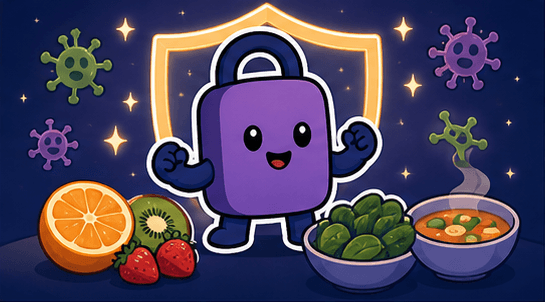
Immunity-Boosting Foods That Also Improve Sleep Quality
Strong immunity and quality sleep are deeply interconnected. Certain foods can simultaneously boost your immune system and improve sleep quality. Discover the science-backed foods that serve both purposes and how to incorporate them into your diet.