Turtle Neck Pillow: The Science Behind Cervical Support
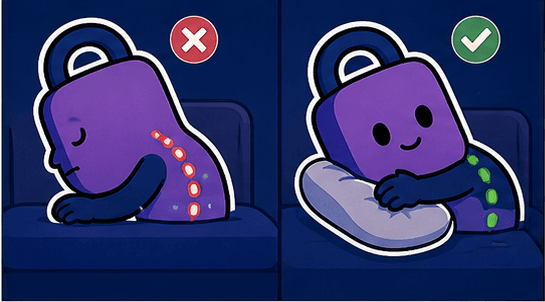
If you wake up with neck pain or stiffness, your pillow might be the culprit. Turtle neck pillows—also known as cervical pillows or orthopedic pillows—are specifically designed to maintain the natural curve of your cervical spine. But do they really work? Let's explore the science behind cervical support and how the right pillow can transform your sleep quality.
What Is a Turtle Neck Pillow?
A turtle neck pillow, or cervical pillow, is an orthopedic pillow designed with a contoured shape that supports the natural C-curve of your cervical spine (the neck region of your spine). Unlike traditional flat pillows, these pillows typically feature a raised edge to cradle your neck and a dip in the middle for your head.
The name 'turtle neck pillow' comes from the distinctive shape that resembles a turtle's shell—curved to provide optimal neck support while you sleep.
Key Features of Cervical Pillows
Contoured Design
Raised edges with a center depression to support neck curvature
Memory Foam Construction
Adaptive material that conforms to your unique neck shape
Height Options
Different thicknesses for side, back, and stomach sleepers
Breathable Materials
Gel-infused or ventilated foam to prevent overheating
The Science: Why Cervical Support Matters
Your cervical spine naturally curves forward (called lordosis). When you sleep, maintaining this curve is crucial for preventing neck pain, reducing muscle tension, and ensuring proper spinal alignment.
Research published in the Journal of Pain Research found that cervical pillows significantly reduced neck pain and improved sleep quality compared to standard pillows in patients with chronic neck pain.
Problems Caused by Poor Neck Support
Who Benefits Most from Turtle Neck Pillows?
While cervical pillows can benefit many sleepers, certain groups experience particularly dramatic improvements.
Chronic Neck Pain Sufferers
Those with existing cervical issues or previous neck injuries
Forward Head Posture
People who spend long hours at computers or on smartphones
Side Sleepers
Those who need extra support to keep spine aligned
Cervical Spondylosis Patients
Individuals with age-related cervical spine degeneration
Tension Headache Sufferers
People whose headaches originate from neck muscle tension
Important Note:
If you have no neck problems and your current pillow feels comfortable, there's no urgent need to switch. However, if you experience morning neck stiffness, headaches, or shoulder pain, a cervical pillow could be transformative.
Choosing the Right Turtle Neck Pillow
Not all cervical pillows are created equal. Here's how to select the right one for your needs.
Consider Your Sleep Position
Side sleepers need higher pillows (4-6 inches), back sleepers medium height (3-5 inches), and stomach sleepers low or no cervical pillow
Material Matters
Memory foam provides excellent contouring but retains heat. Look for gel-infused or ventilated options if you sleep hot
Firmness Level
Firm enough to maintain support but soft enough to be comfortable. Most cervical pillows use medium-firm memory foam
Adjustability
Some cervical pillows offer removable inserts to customize height—ideal if you're unsure of your needs
Cooling Features
Breathable covers, cooling gel, or phase-change materials prevent overheating
Adjustment Period: What to Expect
Many people give up on cervical pillows too quickly. Your neck and muscles need time to adapt to the new support—typically 1-2 weeks.
What You Might Experience
Days 1-3: Initial Discomfort
Your neck might feel strange or even slightly sore as it adjusts to the new position. This is normal.
Days 4-7: Adaptation
Discomfort should decrease as your muscles learn the new sleeping position.
Days 8-14: Benefits Emerge
You should notice reduced morning stiffness and improved sleep quality.
Week 3+: Full Benefits
By this point, the pillow should feel natural and you'll experience the full therapeutic effects.
When to Stop Using
If after 2 weeks you still experience significant discomfort, increased pain, or the pillow prevents you from sleeping, it may not be right for you. Consult a healthcare professional.
Maximizing Benefits: Proper Usage
Even the best cervical pillow won't help if used incorrectly.
- Position the higher edge under your neck, not your head
- Your head should rest in the center depression
- For side sleeping, ensure your nose aligns with the center of your body
- Replace your cervical pillow every 18-24 months as foam degrades
- Combine with good sleep posture—avoid sleeping on your stomach
- Use a supportive mattress that works with your pillow
The Bottom Line: Is a Turtle Neck Pillow Worth It?
For people with neck pain, forward head posture, or cervical spine issues, a quality turtle neck pillow can be life-changing. Scientific evidence supports their effectiveness in reducing pain and improving sleep quality.
However, they're not for everyone. If you're comfortable with your current pillow and experience no neck issues, there's no pressing need to switch. But if you wake up with neck pain, stiffness, or headaches, investing in a cervical pillow could be one of the best decisions for your sleep health.
Remember: give it time. Your body needs 1-2 weeks to adjust to any new pillow. Stick with it through the adjustment period, and you'll be better positioned to judge whether it's right for you.
⚠️ Important Notice
This article is for informational purposes only and is not a substitute for professional medical advice, diagnosis, or treatment. If you suspect you have a sleep disorder or any health condition, please consult a doctor or sleep specialist.

Take the First Step to Better Sleep
Build healthy sleep habits with Good Night Lock.
Download Good Night Lock