Suddenly Collapsed on Your Commute? Vasovagal Syncope and the Sleep Connection
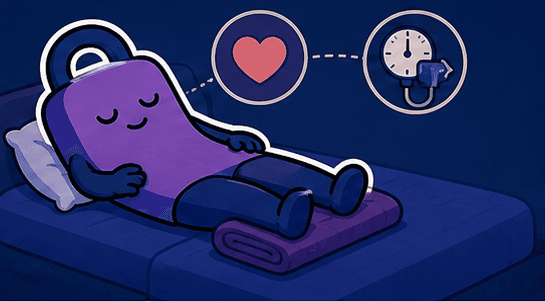
Have you ever seen someone suddenly faint on the subway or bus? Or perhaps you've experienced it yourself? Vasovagal syncope is more common than you might think, and one of its main causes is sleep deprivation. Today, let's explore the causes and prevention of vasovagal syncope.
What is Vasovagal Syncope?
Vasovagal syncope occurs when the vagus nerve overreacts, causing a sudden drop in heart rate and blood pressure, which temporarily reduces blood flow to the brain and results in loss of consciousness.
It's the most common cause of fainting, accounting for about 50% of all syncope cases. Consciousness typically returns within seconds to minutes, and in most cases, it doesn't indicate a serious health problem.
Symptoms of Vasovagal Syncope
Recognizing the warning signs before fainting can help you prepare and prevent injury.
Blurred Vision
Vision going dark or tunnel vision
Dizziness
Feeling lightheaded with a spinning sensation
Cold Sweats
Sudden cold sweating all over the body
Nausea
Feeling queasy or sick to your stomach
Ringing in Ears
Tinnitus or muffled hearing
Pale Complexion
Face turning notably pale
The Connection Between Sleep Deprivation and Vasovagal Syncope
Sleep deprivation disrupts the autonomic nervous system balance and makes the vagus nerve response unstable.
Autonomic Nervous System Imbalance
Sleep deprivation disrupts the balance between sympathetic and parasympathetic nerves, reducing blood pressure and heart rate regulation.
Impaired Blood Pressure Regulation
Without adequate sleep, the body struggles to regulate blood pressure changes with posture changes.
Increased Stress Hormones
Elevated cortisol from sleep deprivation interferes with blood vessel constriction and dilation regulation.
Increased Vagus Nerve Sensitivity
The vagus nerve is more prone to overreaction when the body is fatigued.
Triggers for Vasovagal Syncope
Vasovagal syncope is more likely to occur in the following situations.
Standing for long periods
Hot environments
Crowded spaces (subway, bus)
Being on an empty stomach
Standing up suddenly
Seeing blood or receiving injections
Experiencing severe pain
Strong emotional stress
The risk of fainting increases significantly when these situations combine with sleep deprivation.
How to Prevent Vasovagal Syncope
Along with adequate sleep, these prevention methods can greatly reduce your risk of fainting.
Get Enough Sleep
Getting 7-9 hours of quality sleep every night is the most important preventive measure.
Stay Hydrated
Dehydration causes blood pressure drops. Drink at least 8 glasses of water daily.
Get Up Slowly
Standing up suddenly can cause a rapid drop in blood pressure. Change positions slowly.
Eat Regular Meals
Fasting lowers blood sugar and increases fainting risk. Don't skip breakfast.
Use Leg Muscles
When standing for long periods, contract your leg muscles to help blood circulation.
Recognize Warning Signs
If you feel dizzy or have blurred vision, immediately sit or lie down and elevate your legs.
What to Do When Warning Signs Appear
Quick action when you feel warning signs can prevent fainting and injury.
Sit or Lie Down Immediately
If possible, elevate your legs above your heart to direct blood flow to your brain.
Cross Legs and Tense
If you must stand, cross your legs and tense your thigh muscles.
Clench Your Fists
Making tight fists can slightly raise blood pressure and prevent fainting.
Move to a Cool Area
Get away from hot areas and breathe cool air.
When to See a Doctor
You should consult a specialist in the following cases.
Fainting occurs repeatedly
Fainting during exercise
Accompanied by chest pain or difficulty breathing
Confusion persists after fainting
Head injury from the fall
Family history of heart disease
These symptoms may indicate a more serious condition rather than simple vasovagal syncope.
Adequate Sleep Prevents Fainting
The embarrassing experience of suddenly collapsing on your commute—vasovagal syncope is closely related to sleep deprivation.
Getting enough sleep every day, staying hydrated, and being aware of warning signs can effectively prevent vasovagal syncope. Start checking your sleep habits tonight!
⚠️ Important Notice
This article is for informational purposes only and is not a substitute for professional medical advice, diagnosis, or treatment. If you suspect you have a sleep disorder or any health condition, please consult a doctor or sleep specialist.

Take the First Step to Better Sleep
Build healthy sleep habits with Good Night Lock.
Download Good Night LockRelated Articles
Complete Guide to Sleep Apnea: Symptoms, Causes, Diagnosis, and Treatment
Do you sleep enough at night but still feel tired in the morning? Does your partner complain about your loud snoring? Have you ever woken up gasping for air? These symptoms could be signs of 'sleep apnea.' Let's learn about this common yet dangerous sleep disorder that affects approximately 20% of adults.
Complete Guide to REM Sleep Behavior Disorder: Why You Scream or Kick While Sleeping
Has your partner ever suddenly screamed, swung their fists, or jumped out of bed while sleeping? Or have you woken up from a vivid nightmare to find yourself hitting a wall? This could be 'REM Sleep Behavior Disorder (RBD)'. Let's explore this unusual sleep disorder.
Complete GABA Guide: Effects on Sleep and Proper Intake
Have you searched for GABA supplements because you can't sleep? 'Natural sedative', 'stress relief', 'sleep improvement'... The ads are flashy, but do they really work? Let's explore GABA's impact on sleep and the scientific evidence.
Complete Guide to Ecklonia Cava Benefits: Effects on Sleep and Scientific Evidence
Have you heard about 'Ecklonia cava extract' gaining attention as a sleep supplement? Can this brown seaweed growing along Korean and Japanese coasts really help with sleep? Let's explore the sleep benefits of Ecklonia cava extract with scientific research.
Sleep and Disc Health: Why Poor Sleep Causes Back Pain
Do you wake up with a stiff or aching back? Learn how your sleep position and mattress affect spinal health, and discover the right sleeping methods for those with disc problems.
Why Your Back Hurts When You Wake Up: Causes and Solutions
Waking up with a stiff, aching back is something many of us experience. Why does back pain occur even after a full night's sleep? In this article, we explore the causes of morning back pain and effective solutions to fix it.