Vivid Dreams: Causes, Meanings, and What They Reveal

You wake up with your heart racing, the dream feeling so real you're not sure if you're still in it. Vivid dreams—those incredibly lifelike, emotionally intense nocturnal experiences—can be fascinating, terrifying, or somewhere in between. What causes these hyperrealistic dreams, and what do they reveal about your brain and mental state?
What Makes a Dream 'Vivid'?
Vivid dreams are characterized by exceptional clarity, emotional intensity, and realistic sensory details. Unlike vague, forgettable dreams, vivid dreams feel almost indistinguishable from waking reality while you're experiencing them.
These dreams typically occur during REM (Rapid Eye Movement) sleep, when brain activity closely resembles waking consciousness and emotional centers are highly active.
Features of Vivid Dreams
Exceptional Visual Clarity
Colors, faces, and environments appear realistic and detailed
Strong Emotions
Intense feelings—fear, joy, sadness, or excitement—that persist after waking
Sensory Richness
Not just visual but also sounds, smells, tastes, and physical sensations
Narrative Coherence
Dreams have logical storylines rather than disconnected fragments
Strong Recall
You remember vivid dreams in detail long after waking
What Causes Vivid Dreams?
Multiple factors can trigger or intensify dream vividness. Understanding the causes helps you identify whether your vivid dreams are temporary or require attention.
Increased REM Sleep
More time in REM sleep means more opportunity for vivid dreams. This occurs during sleep recovery, consistent sleep schedules, or after REM-suppressing medications are stopped
Stress and Anxiety
Emotional stress activates the amygdala during sleep, intensifying dream emotions and making them more memorable
Sleep Fragmentation
Waking during or shortly after REM sleep improves dream recall and makes dreams seem more vivid
Certain Medications
Antidepressants (especially SSRIs), blood pressure medications, Parkinson's drugs, and sleep aids can increase dream vividness
Pregnancy
Hormonal changes and sleep disruptions during pregnancy commonly cause vivid, bizarre dreams
Substance Changes
Starting or stopping alcohol, marijuana, or nicotine affects REM sleep and dream intensity
Sleep Disorders
Narcolepsy, REM behavior disorder, and sleep apnea can all increase dream vividness
Fever or Illness
Elevated body temperature during illness affects brain activity and dream patterns
The Brain Science of Vivid Dreams
During REM sleep, your brain shows remarkable activity patterns that explain why dreams can feel so real.
Neuroimaging studies reveal that during vivid REM dreams, the visual cortex, emotional centers (amygdala), and memory consolidation areas (hippocampus) are highly active—while the prefrontal cortex (responsible for logic and reality testing) is relatively quiet.
What's Happening in Your Brain
Highly Active Regions
- ▲Visual cortex (vivid imagery)
- ▲Amygdala (intense emotions)
- ▲Hippocampus (memory processing)
- ▲Motor cortex (movement sensations)
Suppressed Regions
- ▼Prefrontal cortex (logic and judgment)
- ▼Dorsolateral prefrontal cortex (reality testing)
- ▼This explains why bizarre dream events seem normal while experiencing them
Do Vivid Dreams Have Meaning?
The meaning of dreams has been debated for centuries. Modern neuroscience offers several perspectives.
While Freudian dream interpretation has fallen out of scientific favor, contemporary research suggests dreams do serve important psychological functions.
Emotional Processing Theory
Dreams help process and integrate difficult emotions, especially from traumatic or stressful experiences. The emotional intensity of vivid dreams may reflect active processing of waking concerns.
Memory Consolidation
REM sleep plays a crucial role in consolidating memories. Vivid dreams may reflect this process, with dream content drawing from recent experiences being integrated into long-term memory.
Threat Simulation
Evolutionary psychology suggests dreams simulate threatening situations to help us practice responses, which is why many vivid dreams involve danger or anxiety.
Random Activation
Some scientists argue dreams are simply random neural firings that the brain tries to make sense of—vividness just reflects strong activation patterns.
Scientific Consensus:
While dreams likely serve psychological functions related to emotional processing and memory, specific dream content should not be over-interpreted as having universal symbolic meanings.
When Vivid Dreams Become a Problem
Occasional vivid dreams are normal and even beneficial. However, certain patterns warrant attention.
See a Healthcare Provider If:
- •Vivid nightmares occur frequently and disrupt sleep quality
- •Dreams involve physically acting out violent movements (REM behavior disorder)
- •Dream content reflects unprocessed trauma (PTSD-related)
- •Vivid dreams cause significant daytime anxiety or distress
- •Dream vividness suddenly increased after starting medication
- •You have difficulty distinguishing dreams from reality upon waking
Associated Conditions
- •Post-Traumatic Stress Disorder (PTSD)
- •REM Sleep Behavior Disorder
- •Narcolepsy
- •Depression and anxiety disorders
- •Medication side effects
Managing and Reducing Vivid Dreams
If vivid dreams are disrupting your sleep or causing distress, these strategies may help.
Stress Reduction
Practice relaxation techniques, meditation, or therapy to process emotional stress during waking hours
Sleep Hygiene
Maintain consistent sleep schedules, avoid caffeine/alcohol before bed, and create a calm bedtime routine
Medication Review
Consult your doctor about whether any medications might be contributing to vivid dreams
Dream Journaling
Writing dreams down can help process emotional content and reduce their intensity over time
Imagery Rehearsal Therapy
For recurrent nightmares, this therapy technique helps you 'rewrite' dream endings while awake
Bedroom Environment
Ensure comfortable temperature, darkness, and quiet to reduce sleep fragmentation
The Positive Side of Vivid Dreams
Not all vivid dreams are problematic—many people find them enriching or creatively inspiring.
- ✓Creative inspiration for art, writing, or problem-solving
- ✓Emotional catharsis and psychological processing
- ✓Enhanced self-awareness and insight
- ✓Entertainment and fascinating experiences
- ✓Potential for lucid dreaming (awareness within dreams)
For Creative People:
Keep a dream journal by your bed. Many artists, writers, and scientists have found inspiration in vivid dreams—Salvador Dalí, Paul McCartney, and Dmitri Mendeleev all credited dreams for creative breakthroughs.
Vivid Dreams: A Window Into Your Mind
Vivid dreams represent some of your brain's most fascinating activity. While they can sometimes be unsettling, they're usually a normal part of sleep—especially during times of stress, change, or emotional processing.
The key is distinguishing between normal vivid dreams and those that signal underlying issues. If your dreams are merely intense but don't disrupt your life, consider them a feature of your brain's active nighttime work. If they're causing distress or sleep problems, don't hesitate to seek professional guidance.
Your dreams—vivid or otherwise—reflect your brain's remarkable ability to process, create, and consolidate experiences. Rather than fearing vivid dreams, try to understand what they might be telling you about your emotional state and what's occupying your mind.
⚠️ Important Notice
This article is for informational purposes only and is not a substitute for professional medical advice, diagnosis, or treatment. If you suspect you have a sleep disorder or any health condition, please consult a doctor or sleep specialist.

Take the First Step to Better Sleep
Build healthy sleep habits with Good Night Lock.
Download Good Night LockRelated Articles
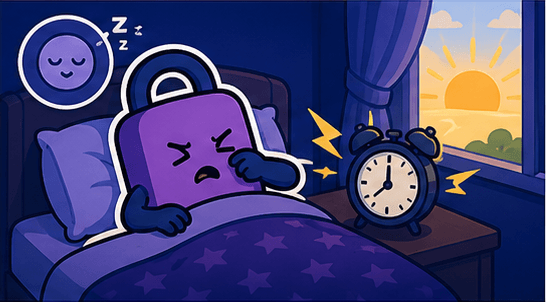
Why Is It So Hard to Wake Up in the Morning? Understanding Sleep Inertia
Do you find yourself hitting the snooze button multiple times every morning? Feel like you need an extra hour of sleep no matter how long you slept? You're experiencing sleep inertia - a fascinating phenomenon that affects millions of people worldwide.
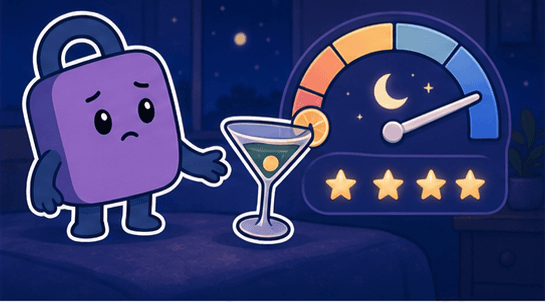
Why Alcohol Disrupts Your Sleep (Even Though It Makes You Drowsy)
After a drink or two, you might feel relaxed and sleepy—perfect for bedtime, right? Not quite. While alcohol can make you drowsy initially, it actually sabotages your sleep quality in ways that leave you feeling tired the next day. Let's uncover the science behind alcohol's complex relationship with sleep.
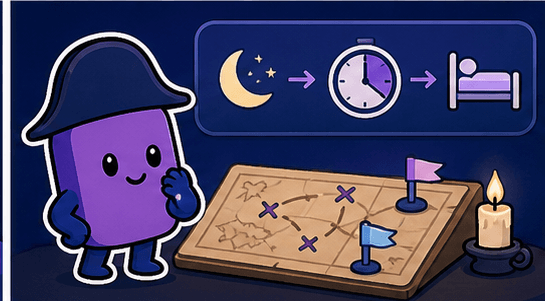
The Napoleon Sleep Method: The Truth About 4-Hour Sleep
Have you heard the story about Napoleon, the great conqueror, who exercised powerful leadership while sleeping only 4 hours a day? Is this sleep method really effective? And did Napoleon actually use this method?
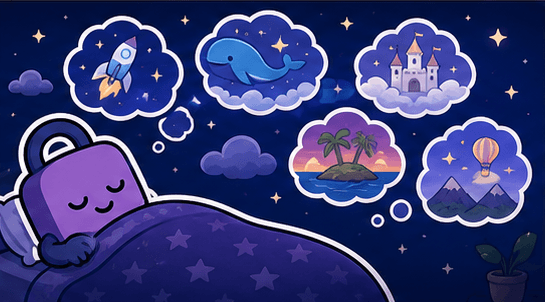
Why Do We Dream So Often? The Science Behind Frequent Dreams
Why do we have vivid dreams on some nights while remembering nothing on others? Let's explore the science of dreams to understand why we dream and how we can enjoy more restful nights.
The Science of Pulling an All-Nighter: How 24 Hours Without Sleep Affects Your Body and Brain
Cramming for an exam, racing against a project deadline, or staying up all night with friends—we've all been there. But what actually happens to your body and brain when you go a full 24 hours without sleep? Let's explore the science behind all-nighters and learn how to handle them when they're truly unavoidable.
Melatonin Side Effects: What to Know About 5mg & 10mg Doses
Melatonin is a natural hormone and popular sleep aid that helps millions get better rest. However, different dosages can come with various side effects. Let's explore how melatonin works, what side effects to watch for at different doses, and how to use it safely.