Weighted Blankets for Sleep: Benefits, Science, and How to Choose
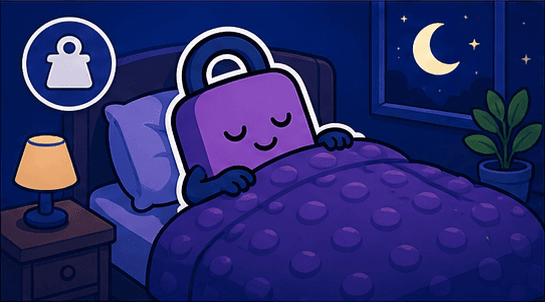
Weighted blankets have gained popularity as a natural sleep aid, promising deeper, more restful sleep. These heavy blankets work by providing deep pressure stimulation, mimicking the feeling of being hugged or held. But do they actually work? Let's explore the science behind weighted blankets and how to choose the right one for you.
How Weighted Blankets Work
Weighted blankets use deep pressure touch (DPT) therapy, a technique that involves applying gentle, distributed pressure across the body. This pressure activates the parasympathetic nervous system, which promotes relaxation.
Deep Pressure Stimulation
The weight creates a sensation similar to being hugged, swaddled, or held, triggering calming effects
Nervous System Response
Activates the parasympathetic system, reducing heart rate and blood pressure while promoting relaxation
Neurotransmitter Release
May increase serotonin and melatonin production while decreasing cortisol, the stress hormone
Grounding Effect
The pressure provides a sense of security and containment that helps quiet an overactive mind
Proven Benefits for Sleep
Research has shown several ways weighted blankets can improve sleep quality and duration.
Faster Sleep Onset
The calming effect can help you fall asleep more quickly by reducing anxiety and promoting relaxation
Improved Sleep Quality
Studies show less movement during sleep and longer periods of deep, restorative sleep stages
Reduced Anxiety
Particularly effective for those with anxiety disorders, helping calm racing thoughts before bed
Decreased Insomnia Symptoms
Research indicates reduced severity of insomnia and improved daytime function
Better Sleep Consistency
Users often report more consistent sleep patterns and fewer nighttime awakenings
Who Can Benefit Most
While weighted blankets can help many people, certain groups may experience particularly significant benefits.
Anxiety Sufferers
The deep pressure helps calm the nervous system and reduce anxious thoughts that interfere with sleep
People with Insomnia
The grounding sensation can help quiet the mind and promote faster sleep onset
Those with ADHD
May help reduce restlessness and improve focus on sleeping rather than racing thoughts
Individuals with Autism
Can provide sensory comfort and reduce overstimulation that may interfere with sleep
Choosing the Right Weight
Selecting the proper weight is crucial for effectiveness and comfort. The general rule is 10% of your body weight.
Adults
Choose a blanket that's about 10% of your body weight, typically between 15-25 pounds (7-11 kg)
Children
Should use lighter weights, around 10% of body weight, and only under adult supervision
Seniors
May prefer lighter weights (5-10 pounds) due to reduced mobility concerns
Start Light
If unsure, start with a lighter weight and work up—too heavy can feel restrictive
Materials and Features to Consider
Beyond weight, several factors affect comfort and effectiveness of weighted blankets.
Fill Material
Glass beads are quieter and cooler than plastic pellets; natural fills like rice are biodegradable but less durable
Outer Fabric
Cotton breathes well for hot sleepers; minky or fleece provides extra softness and warmth
Size Selection
Should cover your body but not hang over bed edges—typically smaller than your mattress
Weight Distribution
Look for even distribution through quilted squares to prevent filling from shifting
Getting the Most from Your Weighted Blanket
- •Give your body 1-2 weeks to adjust to the new sensation
- •Use it during relaxation time before bed to enhance the calming effect
- •Pair with other sleep hygiene practices for best results
- •Keep your bedroom cool to prevent overheating under the weight
- •Consider a cooling weighted blanket if you sleep hot
- •Fold it at the foot of your bed if you find full-body coverage too warm
When to Avoid Weighted Blankets
- •People with respiratory conditions like asthma or sleep apnea should consult a doctor first
- •Those with circulation problems or diabetes should seek medical advice
- •Not recommended for children under 2 years old or anyone who cannot remove it independently
- •Avoid if you have claustrophobia or feel restricted under heavy covers
- •Consult your doctor if you're pregnant or have chronic health conditions
A Natural Path to Better Sleep
Weighted blankets offer a drug-free, natural approach to improving sleep quality. By harnessing the power of deep pressure stimulation, they can help calm the nervous system, reduce anxiety, and promote more restful sleep.
While not a cure-all, many people find significant benefits from incorporating a weighted blanket into their sleep routine. Choose the right weight and materials for your needs, give yourself time to adjust, and enjoy the comforting embrace that helps you drift off to dreamland.
⚠️ Important Notice
This article is for informational purposes only and is not a substitute for professional medical advice, diagnosis, or treatment. If you suspect you have a sleep disorder or any health condition, please consult a doctor or sleep specialist.

Take the First Step to Better Sleep
Build healthy sleep habits with Good Night Lock.
Download Good Night LockRelated Articles
Complete Guide to Sleep Apnea: Symptoms, Causes, Diagnosis, and Treatment
Do you sleep enough at night but still feel tired in the morning? Does your partner complain about your loud snoring? Have you ever woken up gasping for air? These symptoms could be signs of 'sleep apnea.' Let's learn about this common yet dangerous sleep disorder that affects approximately 20% of adults.
Complete Guide to REM Sleep Behavior Disorder: Why You Scream or Kick While Sleeping
Has your partner ever suddenly screamed, swung their fists, or jumped out of bed while sleeping? Or have you woken up from a vivid nightmare to find yourself hitting a wall? This could be 'REM Sleep Behavior Disorder (RBD)'. Let's explore this unusual sleep disorder.
Complete GABA Guide: Effects on Sleep and Proper Intake
Have you searched for GABA supplements because you can't sleep? 'Natural sedative', 'stress relief', 'sleep improvement'... The ads are flashy, but do they really work? Let's explore GABA's impact on sleep and the scientific evidence.

Complete Guide to Ecklonia Cava Benefits: Effects on Sleep and Scientific Evidence
Have you heard about 'Ecklonia cava extract' gaining attention as a sleep supplement? Can this brown seaweed growing along Korean and Japanese coasts really help with sleep? Let's explore the sleep benefits of Ecklonia cava extract with scientific research.
Sleep and Disc Health: Why Poor Sleep Causes Back Pain
Do you wake up with a stiff or aching back? Learn how your sleep position and mattress affect spinal health, and discover the right sleeping methods for those with disc problems.
Why Your Back Hurts When You Wake Up: Causes and Solutions
Waking up with a stiff, aching back is something many of us experience. Why does back pain occur even after a full night's sleep? In this article, we explore the causes of morning back pain and effective solutions to fix it.