What Are Dreams? Understanding Why We Dream
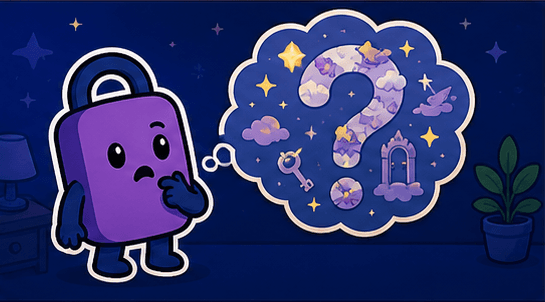
Every night, our minds take us on mysterious journeys through landscapes of imagination, memory, and emotion. Dreams have fascinated humans for millennia, inspiring everything from art and literature to scientific research. But what exactly are dreams, and why do we dream? Let's explore the fascinating science and theories behind this universal human experience.
What Are Dreams?
Dreams are a series of images, thoughts, sensations, and emotions that occur involuntarily in the mind during certain stages of sleep. They primarily occur during the Rapid Eye Movement (REM) stage of sleep, though dreams can happen during other sleep stages as well.
During REM sleep, the brain becomes highly active—almost as active as when we're awake—while the body remains in a state of paralysis. This unique combination allows our minds to create vivid, often bizarre experiences without physically acting them out.
Did You Know?
The average person spends about 2 hours dreaming each night, experiencing 4-6 dreams. However, we forget about 95% of our dreams within minutes of waking up.
Scientific Theories About Why We Dream
Scientists have proposed several theories to explain the purpose and function of dreams:
Memory Consolidation Theory
Dreams help process and consolidate memories from our waking life. During sleep, the brain sorts through information, strengthening important memories while discarding unnecessary ones.
Emotional Processing Theory
Dreams serve as a way to process and regulate emotions. They may help us work through difficult experiences, fears, and anxieties in a safe, simulated environment.
Threat Simulation Theory
Dreaming evolved as a way to rehearse threatening scenarios. By simulating dangers in dreams, our ancestors could better prepare for real-life threats.
Neural Housekeeping Theory
Dreams are a byproduct of the brain's maintenance activities during sleep, clearing out unnecessary neural connections and waste products.
The Brain During Dreams
Different parts of the brain play specific roles during dreaming:
Limbic System
This emotional center of the brain is highly active during dreams, explaining why dreams often feel emotionally intense and vivid.
Visual Cortex
The visual processing area remains active, creating the vivid imagery we experience in dreams, even though our eyes are closed.
Prefrontal Cortex
This area responsible for logic and judgment is less active, which explains why we rarely question the bizarre events in our dreams.
Hippocampus
The memory center helps incorporate recent experiences and memories into our dreams, often in strange and mixed-up ways.
Types of Dreams
Dreams come in many forms, each with different characteristics:
Normal Dreams
Everyday dreams that may reflect recent experiences, thoughts, or concerns. They're often forgotten quickly after waking.
Nightmares
Disturbing dreams that evoke fear, anxiety, or distress. They may be triggered by stress, trauma, or certain medications.
Lucid Dreams
Dreams where you become aware that you're dreaming and may gain some control over the dream content.
Recurring Dreams
Dreams with similar themes or storylines that repeat over time, often related to unresolved issues or ongoing stressors.
Factors That Influence Dreams
Many factors can affect the content and intensity of your dreams:
How to Remember Your Dreams
If you want to remember your dreams better, try these techniques:
Keep a Dream Journal
Keep a notebook by your bed and write down your dreams immediately upon waking, before the memories fade.
Set an Intention
Before falling asleep, tell yourself that you want to remember your dreams. This simple intention can significantly improve recall.
Wake Up Naturally
Alarm clocks can disrupt the dream state abruptly. When possible, allow yourself to wake up naturally.
Don't Move Immediately
When you first wake up, stay still and try to recall your dream before moving or checking your phone.
The Mystery Continues
While science has made significant progress in understanding dreams, they remain one of the most fascinating mysteries of the human mind. Whether dreams serve vital psychological functions or are simply a byproduct of brain activity, they offer a unique window into our subconscious.
By paying attention to your dreams and getting quality sleep, you can explore this inner world and potentially gain insights into your thoughts, emotions, and creativity.
⚠️ Important Notice
This article is for informational purposes only and is not a substitute for professional medical advice, diagnosis, or treatment. If you suspect you have a sleep disorder or any health condition, please consult a doctor or sleep specialist.

Take the First Step to Better Sleep
Build healthy sleep habits with Good Night Lock.
Download Good Night LockRelated Articles
Why Is It So Hard to Wake Up in the Morning? Understanding Sleep Inertia
Do you find yourself hitting the snooze button multiple times every morning? Feel like you need an extra hour of sleep no matter how long you slept? You're experiencing sleep inertia - a fascinating phenomenon that affects millions of people worldwide.
Why Alcohol Disrupts Your Sleep (Even Though It Makes You Drowsy)
After a drink or two, you might feel relaxed and sleepy—perfect for bedtime, right? Not quite. While alcohol can make you drowsy initially, it actually sabotages your sleep quality in ways that leave you feeling tired the next day. Let's uncover the science behind alcohol's complex relationship with sleep.
The Napoleon Sleep Method: The Truth About 4-Hour Sleep
Have you heard the story about Napoleon, the great conqueror, who exercised powerful leadership while sleeping only 4 hours a day? Is this sleep method really effective? And did Napoleon actually use this method?

Why Do We Dream So Often? The Science Behind Frequent Dreams
Why do we have vivid dreams on some nights while remembering nothing on others? Let's explore the science of dreams to understand why we dream and how we can enjoy more restful nights.
The Science of Pulling an All-Nighter: How 24 Hours Without Sleep Affects Your Body and Brain
Cramming for an exam, racing against a project deadline, or staying up all night with friends—we've all been there. But what actually happens to your body and brain when you go a full 24 hours without sleep? Let's explore the science behind all-nighters and learn how to handle them when they're truly unavoidable.
Melatonin Side Effects: What to Know About 5mg & 10mg Doses
Melatonin is a natural hormone and popular sleep aid that helps millions get better rest. However, different dosages can come with various side effects. Let's explore how melatonin works, what side effects to watch for at different doses, and how to use it safely.