The Science Behind Yawning: Why We Yawn and What It Means
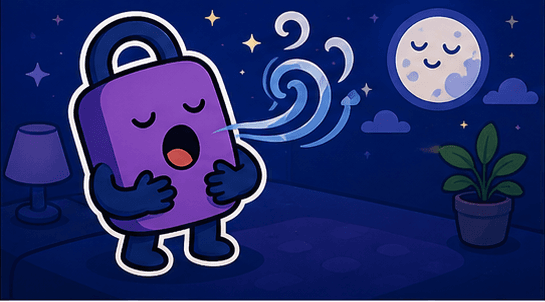
Why do we yawn? Simply because we're tired? Bored? The truth is, yawning holds fascinating scientific secrets. From why yawning is contagious to its connection with health, discover everything about this mysterious reflex.
What is Yawning?
Yawning is a reflexive action involving opening the mouth wide and inhaling deeply. On average, a single yawn lasts about 6 seconds, during which heart rate increases and tears may form.
Interestingly, yawning is observed in almost all vertebrates, not just humans. Fish, birds, reptiles, and mammals all yawn. This suggests yawning serves an important survival function.
Did You Know?
Fetuses yawn in the womb. Yawning can be observed via ultrasound as early as 11 weeks into pregnancy.
5 Scientific Reasons Why We Yawn
There are several theories about the exact cause of yawning. Let's explore the main functions revealed by recent research.
1. Brain Cooling Theory
The most supported theory. When we yawn, cool air enters through the mouth and nose, cooling the blood going to the brain. The brain needs to maintain an optimal temperature to function best.
2. State Transition
This explains why we yawn when drowsy or just waking up. Yawning supplies oxygen to the brain and regulates alertness, helping transition between wakefulness and sleep states.
3. Ear Pressure Regulation
Yawning opens the Eustachian tube, regulating middle ear pressure. This is why yawning helps when your ears feel clogged during airplane takeoff and landing.
4. Lung Expansion
The deep breath during yawning expands all parts of the lungs. This helps prevent alveoli from collapsing and maintains lung function.
5. Social Signaling
Yawning serves as a signal to group members that rest is needed. This helps synchronize the sleep-wake cycle of the group.
Why Yawning is Contagious
Everyone has experienced yawning after seeing someone else yawn. Even reading or thinking about yawning can trigger it.
Research shows contagious yawning is related to empathy. Mirror neurons in the brain activate, causing us to unconsciously mimic others' actions.
Fun Fact
Did you yawn while reading this? If so, you're likely someone with high empathy!
Health Signals from Excessive Yawning
While yawning is normal, excessive yawning can signal health issues.
Sleep Deprivation
The most common cause. When you don't get enough sleep, the brain triggers more yawns to maintain alertness.
Sleep Disorders
Sleep disorders like sleep apnea or narcolepsy can reduce sleep quality, leading to excessive daytime yawning.
Vagal Response
Problems around the heart or aorta can stimulate the vagus nerve, causing excessive yawning. It can even be a warning sign of a heart attack.
Brain Conditions
Conditions affecting the brain, such as brain tumors, stroke, or multiple sclerosis, can cause excessive yawning.
Medication Side Effects
Some medications, including antidepressants, antihistamines, and pain relievers, can cause excessive yawning.
Warning
If yawning suddenly increases excessively, or occurs with headaches, dizziness, or chest pain, consult a doctor.
Fascinating Facts About Yawning
Yawn Duration
The average yawn lasts about 6 seconds, during which heart rate can increase by up to 30%.
Yawn Frequency
Adults yawn an average of 5-10 times daily. Most yawns occur when waking up and before falling asleep.
Yawning and Age
Susceptibility to contagious yawning decreases with age, gradually declining after age 25.
Suppressing Yawns
It's nearly impossible to suppress a yawn. Attempts result in a smaller yawn or an even stronger one later.
Yawning: Your Body's Natural Signal
Yawning is not just a sign of fatigue—it's an important physiological mechanism that cools the brain, regulates alertness, and fosters social bonds.
Normal yawning is a healthy body response, but if excessive yawning persists, review your sleep habits or consult a specialist. Above all, getting sufficient quality sleep is the best way to reduce yawning.
⚠️ Important Notice
This article is for informational purposes only and is not a substitute for professional medical advice, diagnosis, or treatment. If you suspect you have a sleep disorder or any health condition, please consult a doctor or sleep specialist.

Take the First Step to Better Sleep
Build healthy sleep habits with Good Night Lock.
Download Good Night LockRelated Articles
Why Is It So Hard to Wake Up in the Morning? Understanding Sleep Inertia
Do you find yourself hitting the snooze button multiple times every morning? Feel like you need an extra hour of sleep no matter how long you slept? You're experiencing sleep inertia - a fascinating phenomenon that affects millions of people worldwide.
Why Alcohol Disrupts Your Sleep (Even Though It Makes You Drowsy)
After a drink or two, you might feel relaxed and sleepy—perfect for bedtime, right? Not quite. While alcohol can make you drowsy initially, it actually sabotages your sleep quality in ways that leave you feeling tired the next day. Let's uncover the science behind alcohol's complex relationship with sleep.
The Napoleon Sleep Method: The Truth About 4-Hour Sleep
Have you heard the story about Napoleon, the great conqueror, who exercised powerful leadership while sleeping only 4 hours a day? Is this sleep method really effective? And did Napoleon actually use this method?
Why Do We Dream So Often? The Science Behind Frequent Dreams
Why do we have vivid dreams on some nights while remembering nothing on others? Let's explore the science of dreams to understand why we dream and how we can enjoy more restful nights.
The Science of Pulling an All-Nighter: How 24 Hours Without Sleep Affects Your Body and Brain
Cramming for an exam, racing against a project deadline, or staying up all night with friends—we've all been there. But what actually happens to your body and brain when you go a full 24 hours without sleep? Let's explore the science behind all-nighters and learn how to handle them when they're truly unavoidable.
Melatonin Side Effects: What to Know About 5mg & 10mg Doses
Melatonin is a natural hormone and popular sleep aid that helps millions get better rest. However, different dosages can come with various side effects. Let's explore how melatonin works, what side effects to watch for at different doses, and how to use it safely.