Why It's So Hard to Wake Up in Winter
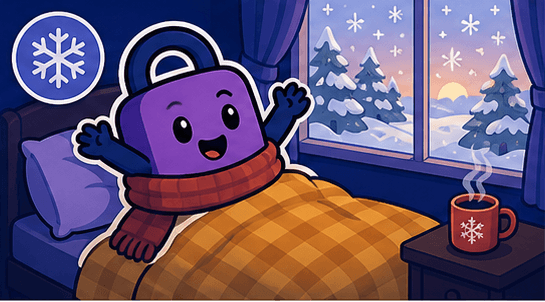
As winter arrives, waking up in the morning becomes noticeably harder. The reluctance to leave your warm bed isn't simply laziness. There are scientific reasons why our bodies need more sleep during winter months.
Why Winter Mornings Are So Difficult
Difficulty waking up in winter is related to biological mechanisms.
Lack of Sunlight
Reduced daylight in winter increases melatonin (sleep hormone) production while decreasing serotonin (wake hormone) levels.
Disrupted Body Clock
Later sunrises delay our body's natural wake-up signals.
Lower Body Temperature
The body expends more energy maintaining temperature in cold environments, leading to fatigue.
Vitamin D Deficiency
Reduced sun exposure decreases vitamin D synthesis, affecting energy levels and mood.
The Blanket Effect
The temperature difference between warm blankets and cold room air makes getting up even harder.
Melatonin and Seasonal Changes
Melatonin is a hormone released in response to darkness that induces sleep.
Winter Melatonin Changes
Longer nights in winter mean melatonin is produced for extended periods.
Morning Wake Difficulty
When alarms go off before sunrise, melatonin levels remain high, making it hard to wake up.
Natural vs. Forced Awakening
Alarm-based forced awakening instead of natural light-based waking increases sleep inertia.
Seasonal Affective Disorder (SAD)
Some people experience depression and excessive sleepiness due to winter's lack of sunlight.
Tips for Easier Winter Wake-Ups
Adjusting your environment and habits can make winter mornings more manageable.
Use a Sunrise Alarm Clock
Alarm clocks that gradually brighten to simulate sunrise promote natural awakening.
Get Bright Light Immediately
Open curtains or turn on bright lights right after waking to suppress melatonin production.
Adjust Room Temperature
Set heating to turn on 30 minutes before wake time to make leaving bed easier.
Maintain Regular Sleep Schedule
Go to bed and wake up at the same time, even on weekends, to stabilize your body clock.
Morning Exercise
Light stretching or exercise raises body temperature and promotes alertness.
Benefits of Light Therapy
Light therapy is an effective method for winter sleep problems and seasonal depression.
Reset Body Clock
Exposure to bright light (10,000 lux) for 20-30 minutes in the morning resets your circadian rhythm.
Increase Serotonin
Light exposure promotes serotonin production, improving mood and energy.
Improve Sleep Quality
Regular light therapy normalizes sleep patterns and increases deep sleep.
Relieve SAD Symptoms
About 85% of seasonal affective disorder patients experience improvement with light therapy.
Winter Morning Wake-Up Tips
- •Set your alarm slightly earlier and avoid using snooze
- •Drink a glass of water immediately upon waking to activate metabolism
- •A warm caffeinated beverage in the morning helps with alertness
- •Get out of bed and start moving right away
- •Block blue light in the evening to support melatonin production
When to Seek Help
- •If excessive sleepiness persists for more than 2 weeks, consult a doctor
- •If you suspect seasonal depression, speak with a mental health professional
- •Avoid relying on sleep medications; try natural methods first
- •Underlying health conditions may cause sleepiness; consider a health checkup
- •Use UV-filtered light therapy devices
Start Fresh Mornings Even in Winter
Difficulty waking up in winter is a natural response of our bodies. Multiple factors work together, including lack of sunlight, increased melatonin, and lower body temperature.
However, using sunrise alarms, maintaining regular sleep schedules, and getting morning light exposure can help you start energetic mornings even in winter. Start implementing these strategies today.
⚠️ Important Notice
This article is for informational purposes only and is not a substitute for professional medical advice, diagnosis, or treatment. If you suspect you have a sleep disorder or any health condition, please consult a doctor or sleep specialist.

Take the First Step to Better Sleep
Build healthy sleep habits with Good Night Lock.
Download Good Night LockRelated Articles
Why Is It So Hard to Wake Up in the Morning? Understanding Sleep Inertia
Do you find yourself hitting the snooze button multiple times every morning? Feel like you need an extra hour of sleep no matter how long you slept? You're experiencing sleep inertia - a fascinating phenomenon that affects millions of people worldwide.
Why Alcohol Disrupts Your Sleep (Even Though It Makes You Drowsy)
After a drink or two, you might feel relaxed and sleepy—perfect for bedtime, right? Not quite. While alcohol can make you drowsy initially, it actually sabotages your sleep quality in ways that leave you feeling tired the next day. Let's uncover the science behind alcohol's complex relationship with sleep.
The Napoleon Sleep Method: The Truth About 4-Hour Sleep
Have you heard the story about Napoleon, the great conqueror, who exercised powerful leadership while sleeping only 4 hours a day? Is this sleep method really effective? And did Napoleon actually use this method?

Why Do We Dream So Often? The Science Behind Frequent Dreams
Why do we have vivid dreams on some nights while remembering nothing on others? Let's explore the science of dreams to understand why we dream and how we can enjoy more restful nights.
The Science of Pulling an All-Nighter: How 24 Hours Without Sleep Affects Your Body and Brain
Cramming for an exam, racing against a project deadline, or staying up all night with friends—we've all been there. But what actually happens to your body and brain when you go a full 24 hours without sleep? Let's explore the science behind all-nighters and learn how to handle them when they're truly unavoidable.
Melatonin Side Effects: What to Know About 5mg & 10mg Doses
Melatonin is a natural hormone and popular sleep aid that helps millions get better rest. However, different dosages can come with various side effects. Let's explore how melatonin works, what side effects to watch for at different doses, and how to use it safely.