
How Blue Light Affects Your Sleep: The Smartphone-Sleep Connection
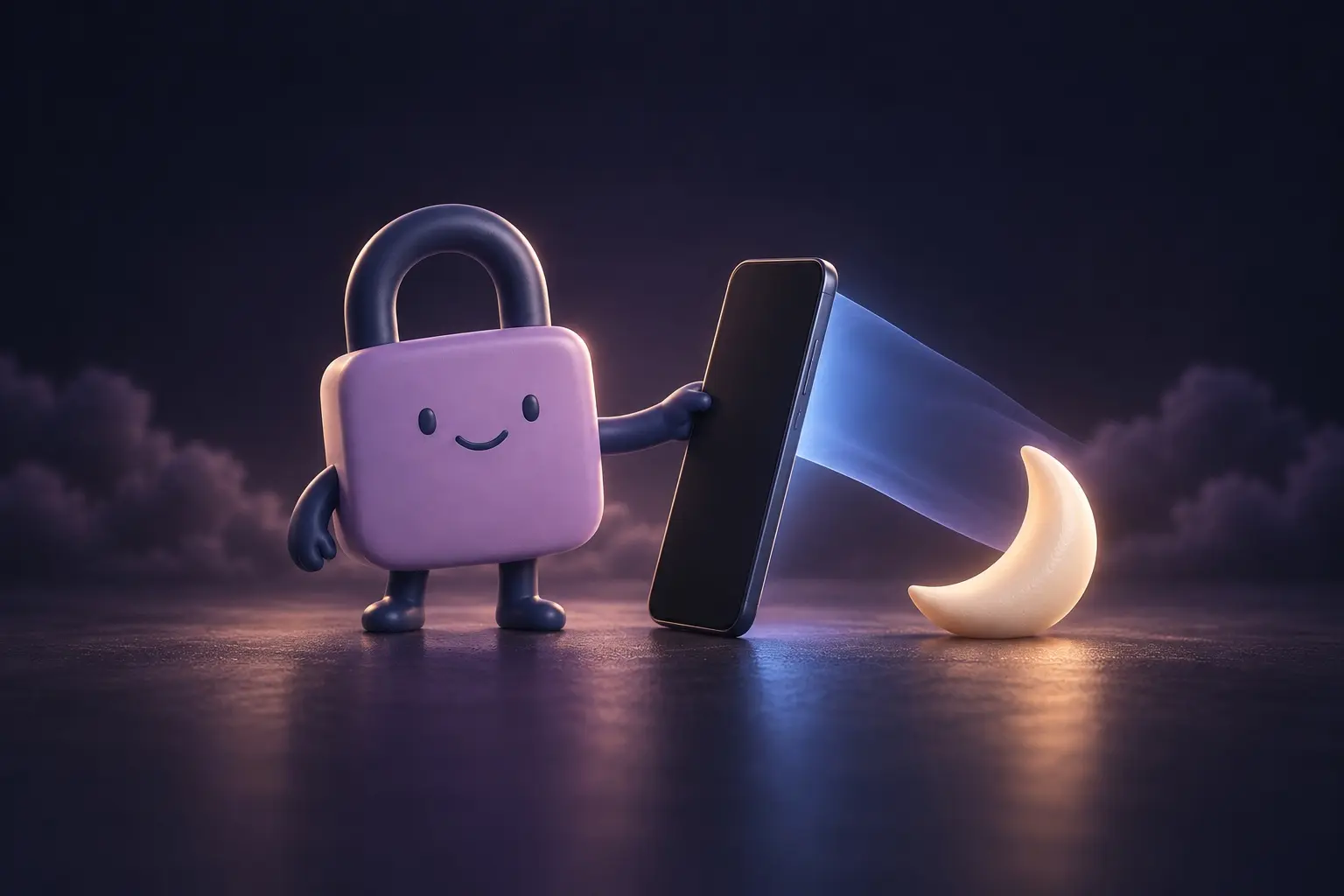
In this article
Have you ever struggled to fall asleep after scrolling through your phone late at night? Blue light has a significant impact on our sleep patterns. Let's explore what blue light is, how it disrupts sleep, and how you can manage its effects.
What is Blue Light?
Blue light is high-energy visible light (HEV) with wavelengths between 380-500nm in the visible light spectrum. It naturally comes from the sun and artificially from LED lights, smartphones, computers, TVs, and other digital devices.
Sunlight
The most powerful natural source of blue light.
Smartphones
The source we're exposed to at close range for extended periods.
Computer Monitors
Extended exposure during work and leisure time.
LED Lighting
Most modern lighting emits blue light.
How Blue Light Disrupts Sleep
Blue light directly affects our brain's biological clock. It suppresses the production of melatonin, the sleep hormone, making it harder to fall asleep.
Melatonin Suppression
Blue light can suppress melatonin production by up to 50%.
Circadian Rhythm Disruption
The brain thinks it's daytime and stays in alert mode.
Sleep Delay
Blue light exposure before bed delays sleep onset.
Reduced Sleep Quality
Harder to reach deep sleep stages.
What Research Says About Blue Light
Numerous scientific studies have proven the connection between blue light and sleep disturbances.
Harvard Study
6.5 hours of blue light exposure delayed melatonin by 3 hours
Sleep Medicine Journal
2 hours of smartphone use before bed reduces sleep efficiency by 22%
Adolescent Research
Teenagers with higher smartphone use have higher rates of sleep disorders
Workplace Survey
70% of night-shift computer workers experience sleep problems
Symptoms of Blue Light Overexposure
Excessive blue light exposure can manifest in various symptoms.
Difficulty Falling Asleep
Unable to fall asleep for more than 30 minutes after lying down.
Eye Fatigue
Dry, tired eyes often accompanied by headaches.
Daytime Drowsiness
Feeling sleepy during the day due to poor nighttime sleep.
Decreased Concentration
Reduced cognitive function due to sleep deprivation.
Mood Changes
Irritability, anxiety, and depression from lack of sleep.
Circadian Imbalance
Irregular sleep and wake times.
How to Block and Manage Blue Light
There are various ways to minimize the negative effects of blue light.
Device Settings
- •Use night mode or dark mode
- •Install blue light filter apps
- •Reduce screen brightness
- •Schedule automatic night mode
Lifestyle Changes
- •Stop using digital devices 2 hours before bed
- •Keep smartphones away from the bedroom
- •Use warm-toned lighting in the evening
- •Maintain a regular sleep schedule
Protective Products
- •Blue light blocking glasses
- •Monitor screen protectors
- •Blue light blocking screen films
- •Sleep-friendly lighting
Recommended Bedtime Routine
Create a bedtime routine for healthy sleep.
Stop caffeine intake
Stop using smartphones, computers, and digital devices
Read or stretch under warm lighting
Calm your mind with meditation or breathing exercises
Cases Requiring Special Attention
- •If you have chronic insomnia
- •If you work shifts with irregular sleep schedules
- •If you're a teenager or child
- •If you have existing eye conditions
- •If you have depression or anxiety disorders
Smart Device Use is the Start of Better Sleep
Blue light is unavoidable in modern life, but conscious effort can significantly reduce its impact. Limiting digital device use before bedtime is the most effective strategy.
Starting today, put down your smartphone 2 hours before bed and protect your eyes and brain from blue light. Healthy sleep is the beginning of a healthy life.
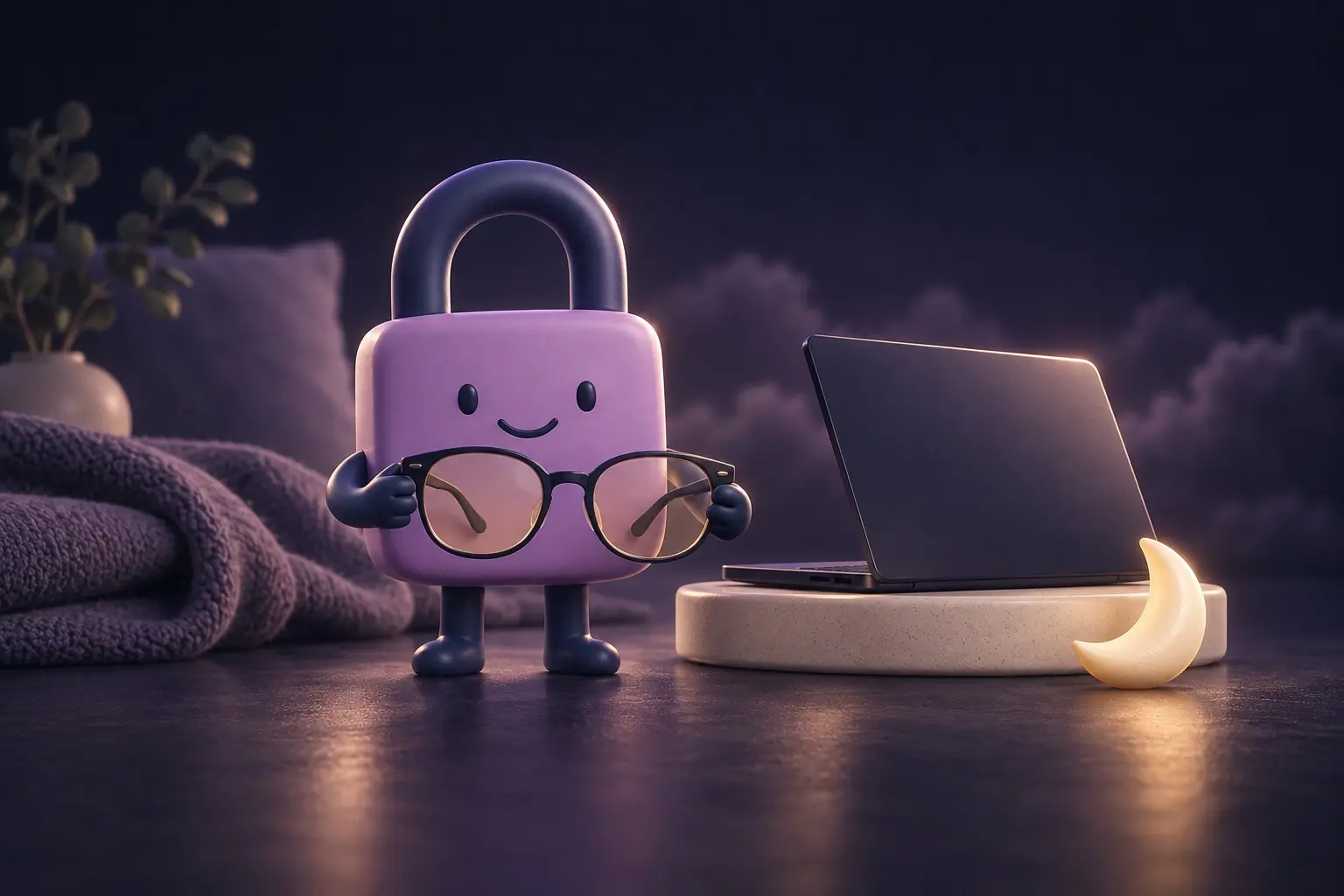
Blue Light Blocking Glasses: Do They Really Help Your Eyes and Sleep?
You've probably heard claims that blue light blocking glasses reduce eye strain and improve sleep. But do they really work? Let's explore the science behind blue light glasses, their actual effects, and how to choose the right pair.
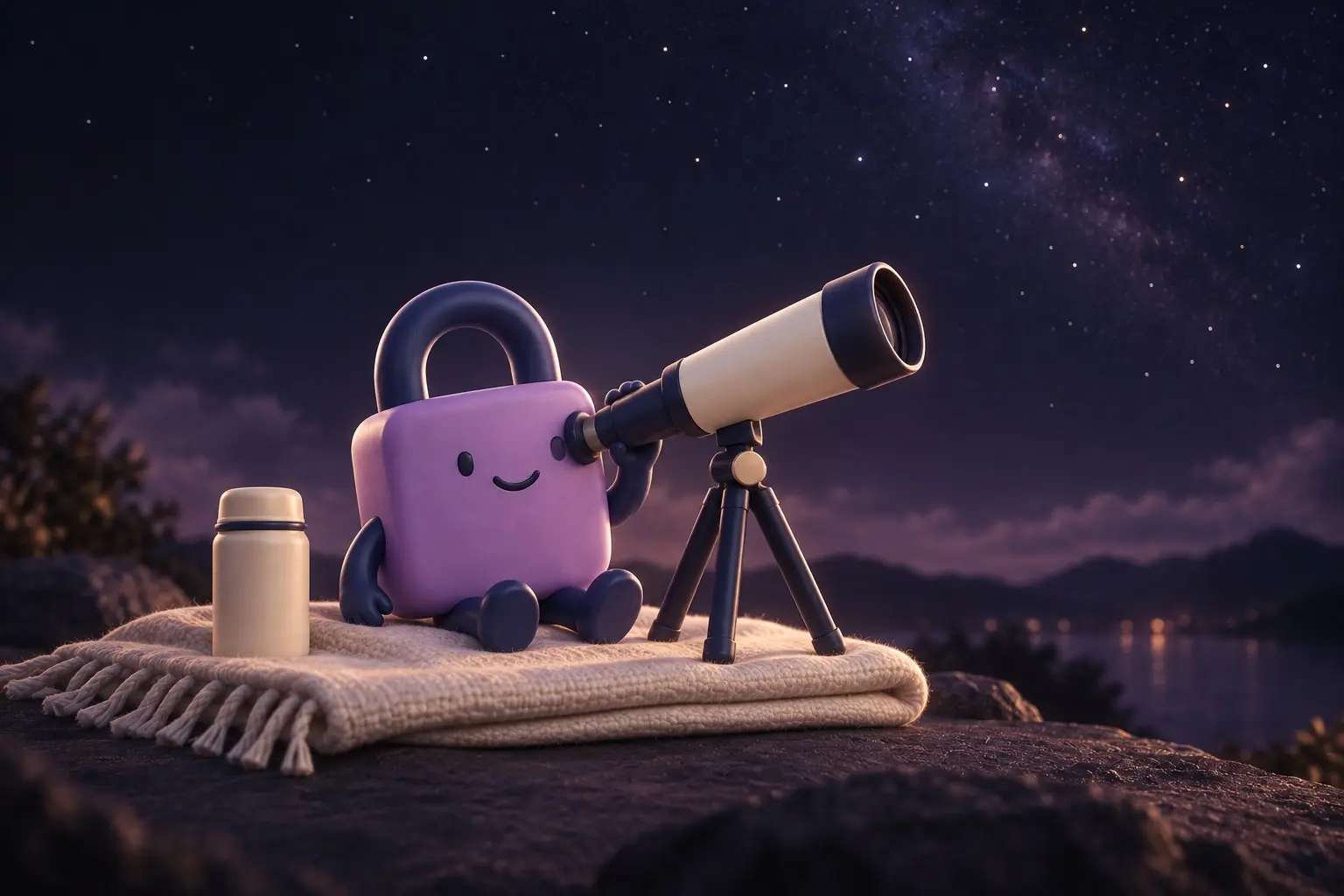
Stargazing and Sleep: How Watching the Night Sky Affects Your Rest
Looking up at the night sky filled with stars and constellations has captivated humans for millennia. But beyond its beauty and mystery, stargazing can have profound effects on your sleep quality. From reducing screen time to reconnecting with natural darkness, here's how the ancient practice of watching the stars can help you sleep better tonight.
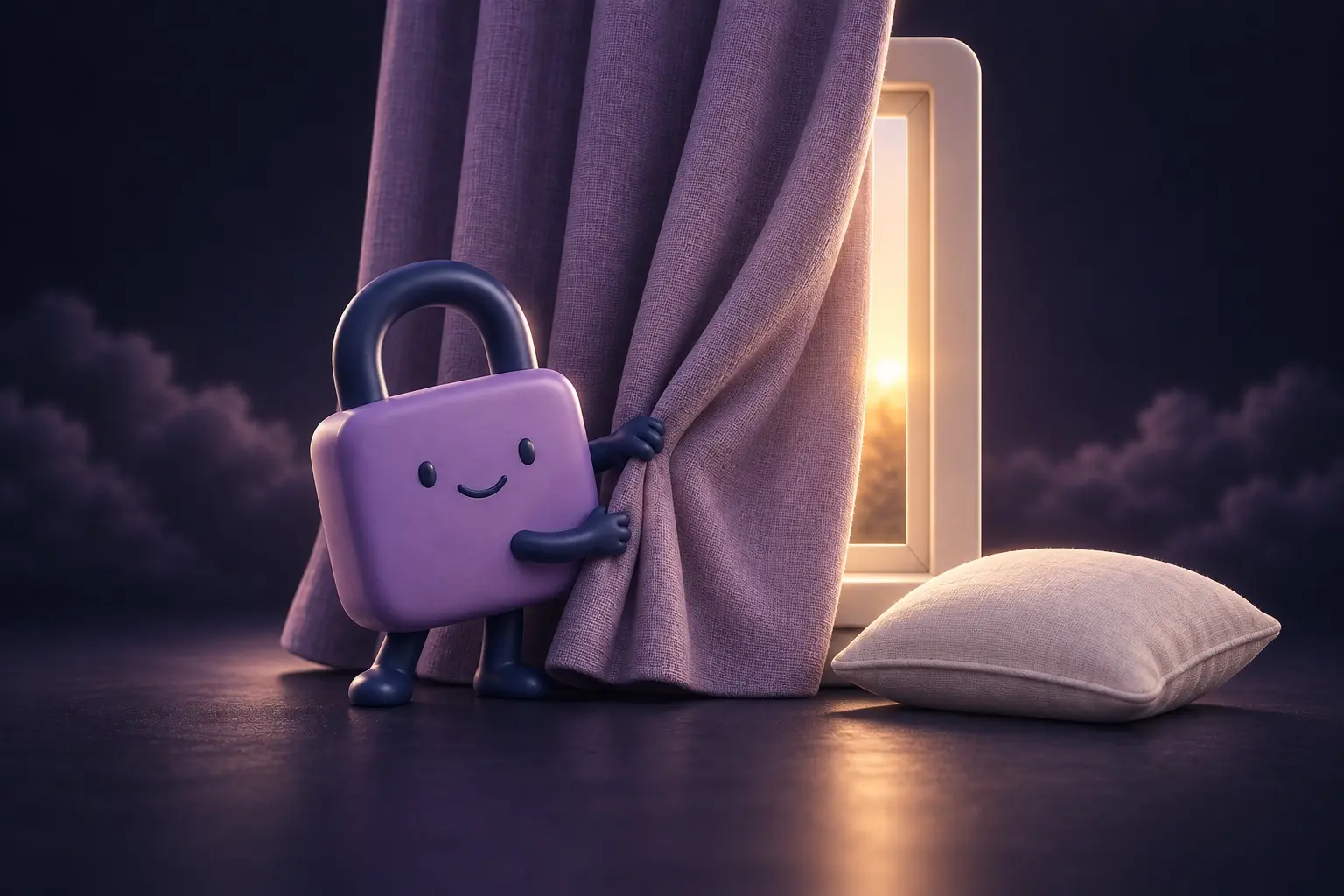
Blackout Curtains for Better Sleep: Complete Guide to Choosing and Using
Light is one of the biggest disruptors of quality sleep. Even small amounts of light can interfere with melatonin production and disrupt your circadian rhythm. Blackout curtains offer a simple yet effective solution to create the dark environment your body needs for optimal rest. Here's everything you need to know about choosing and using blackout curtains for better sleep.
The Science of Sleep Masks: How to Choose the Perfect One for Better Sleep
A simple sleep mask might be the most underrated sleep tool. Research shows that even small amounts of light can disrupt sleep quality, yet many people overlook this easy fix. Whether you're dealing with streetlights, a partner who stays up late, or early morning sunlight, the right sleep mask can dramatically improve your rest. Here's what science says about choosing and using one effectively.
Mood Lighting and Sleep: How Light Color Affects Your Circadian Rhythm
The color temperature and intensity of light in your environment significantly impacts your sleep quality. While mood lighting can create ambiance, certain colors and brightness levels can either promote or prevent good sleep. Understanding the science of light and sleep helps you optimize your environment for rest.