
Mood Lighting and Sleep: How Light Color Affects Your Circadian Rhythm
In this article
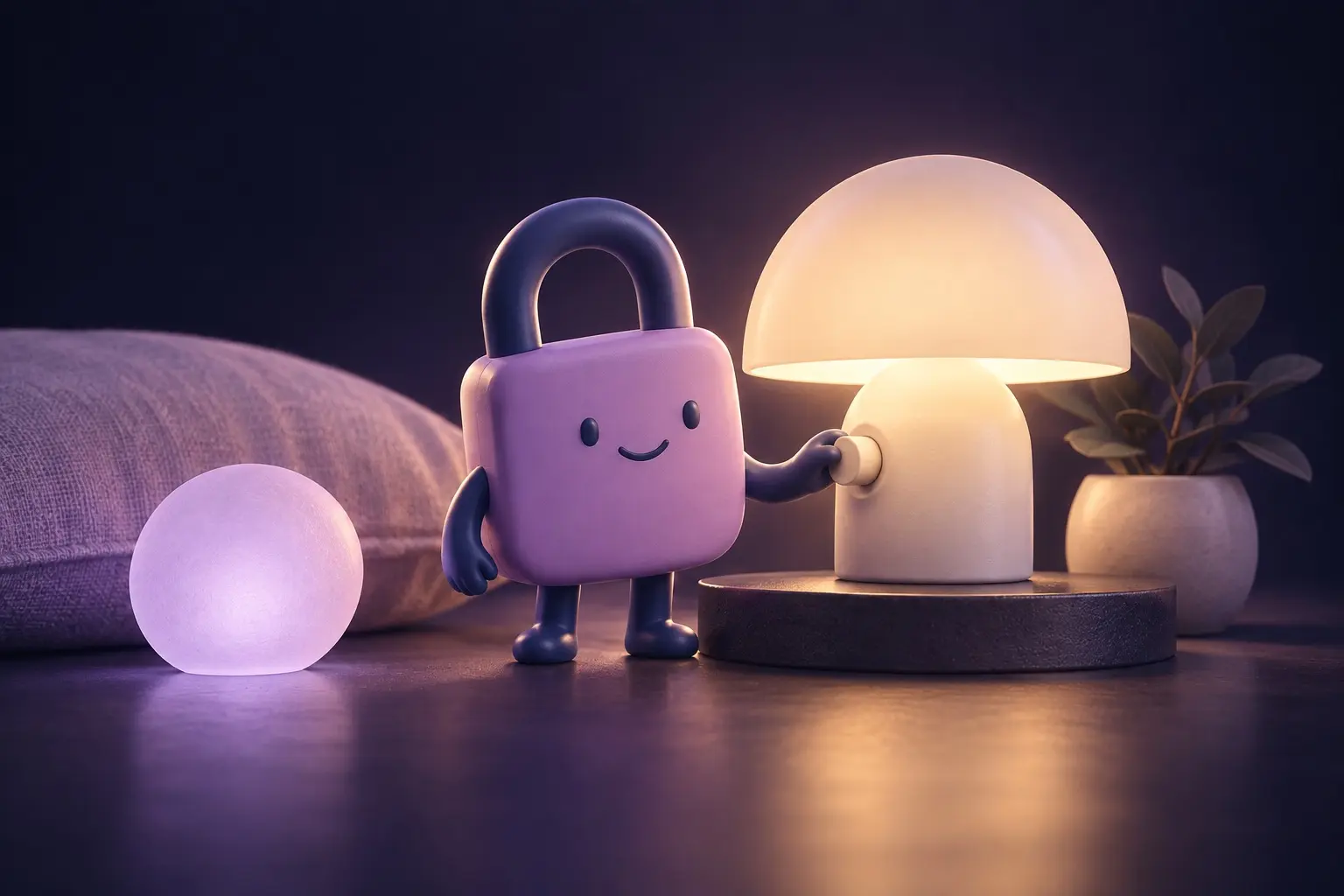
The color temperature and intensity of light in your environment significantly impacts your sleep quality. While mood lighting can create ambiance, certain colors and brightness levels can either promote or prevent good sleep. Understanding the science of light and sleep helps you optimize your environment for rest.
Light and Circadian Rhythm
Your body's internal clock is primarily controlled by light exposure:
Blue Light Suppression
Blue wavelengths (450-480nm) signal daytime to your brain
Suppresses melatonin production by up to 85%
Red/Amber Safety
Longer wavelengths (600-650nm) have minimal melatonin impact
Can be used in evening without disrupting sleep
Intensity Matters
Even warm colors can disrupt sleep if too bright
Keep evening lights under 50 lux
Best and Worst Mood Light Colors for Sleep
Not all mood lighting is created equal when it comes to sleep:
Excellent
620-750nm
Minimal melatonin suppression, promotes relaxation
Best for evening and nighttime use
Very Good
590-620nm
Low impact on circadian rhythm
Good for reading lights and bedside lamps
Good
585-620nm
Warmer tones are sleep-friendly
Effective for creating relaxing atmosphere
Very Poor
450-495nm
Maximum melatonin suppression
Evening and night use completely
Poor
Full spectrum
Contains significant blue wavelengths
Bright white lights after sunset
Moderate
495-570nm
Some circadian impact, especially if bright
Use dimly if at all in evening
Room-by-Room Lighting Guide
Optimize lighting throughout your home for better sleep:
Bedroom
Dim amber or red lights only, under 50 lux
Complete darkness or very dim red nightlight
All overhead lights, blue/white lights, bright reading lamps
Red LED bulbs, salt lamps, amber book lights
Bathroom
Install dimmer switch or use nightlight for evening use
Motion-activated red nightlight
Bright vanity lights before bed
Keep one dim light for middle-of-night bathroom trips
Living Room
Transition to warm, dim lighting after 8 PM
Only minimal lighting if still awake
Use table/floor lamps instead of overhead lights
Enable night mode on TV, dim all screens
Hallways
Motion-sensor warm lights at low brightness
Dim path lighting if needed
Safety without circadian disruption
Near floor level rather than eye level
Smart Lighting for Sleep
Modern smart bulbs can automatically optimize your light environment:
Circadian-Friendly Scheduling
Automatically adjusts color temperature throughout day
Cool white morning → warm white afternoon → amber evening → red night
Gradual Dimming
Slowly reduces brightness as bedtime approaches
Natural signal to body that sleep time is coming
Sunrise Simulation
Gradually brightens in morning to ease waking
More natural and gentle than alarm clock
Scene Presets
One-touch evening routine activation
'Bedtime' scene turns all lights to sleep-friendly settings
Common Mood Lighting Mistakes
Even well-intentioned lighting choices can sabotage sleep:
Colorful LED Strips in Bedroom
Most colors, especially blue and purple, disrupt melatonin
Use only red/amber settings after 8 PM, or remove entirely
Bright Dimmable Bulbs Set to 50%
Still too bright for evening use
Dim to 10-20% or use lower wattage bulbs
Cool-White Smart Bulbs on Warm Setting
Still emit some blue wavelengths
Choose bulbs specifically designed for no-blue-light output
Leaving Mood Lights On All Night
Any light exposure during sleep reduces quality
Turn off completely or use very dim red nightlight only
Inconsistent Light Environment
Switching between bright and dim confuses circadian system
Gradual, consistent dimming from evening to bedtime
Transitioning Your Light Environment
Implement sleep-friendly lighting gradually:
Week 1
Replace bedroom bulbs with warm/red options
Create sleep-optimized bedroom
Week 2
Add dimmers or smart bulbs to living areas
Control evening brightness
Week 3
Establish evening dimming routine (start at 8 PM)
Signal bedtime approaching
Week 4
Eliminate all blue/bright lights after 9 PM
Maximize melatonin production
Light is Powerful Medicine
The colors and intensity of light in your environment are among the most powerful tools for regulating sleep. By choosing sleep-friendly mood lighting, you work with your biology rather than against it.
Start with your bedroom—it's the most critical space. Then gradually extend these principles throughout your home. You'll likely notice improved sleep onset, fewer night wakings, and feeling more refreshed in the morning.
Remember: bright, cool light during the day; warm, dim light in the evening; darkness at night. This simple pattern supports your natural circadian rhythm.
Complete Your Sleep Environment
Pair your sleep-friendly lighting with Good Night Lock to manage screen exposure—another critical light source affecting your sleep.
Download Good Night Lock
The Science of Sleep Masks: How to Choose the Perfect One for Better Sleep
A simple sleep mask might be the most underrated sleep tool. Research shows that even small amounts of light can disrupt sleep quality, yet many people overlook this easy fix. Whether you're dealing with streetlights, a partner who stays up late, or early morning sunlight, the right sleep mask can dramatically improve your rest. Here's what science says about choosing and using one effectively.
Blackout Curtains for Better Sleep: Complete Guide to Choosing and Using
Light is one of the biggest disruptors of quality sleep. Even small amounts of light can interfere with melatonin production and disrupt your circadian rhythm. Blackout curtains offer a simple yet effective solution to create the dark environment your body needs for optimal rest. Here's everything you need to know about choosing and using blackout curtains for better sleep.
Stargazing and Sleep: How Watching the Night Sky Affects Your Rest
Looking up at the night sky filled with stars and constellations has captivated humans for millennia. But beyond its beauty and mystery, stargazing can have profound effects on your sleep quality. From reducing screen time to reconnecting with natural darkness, here's how the ancient practice of watching the stars can help you sleep better tonight.
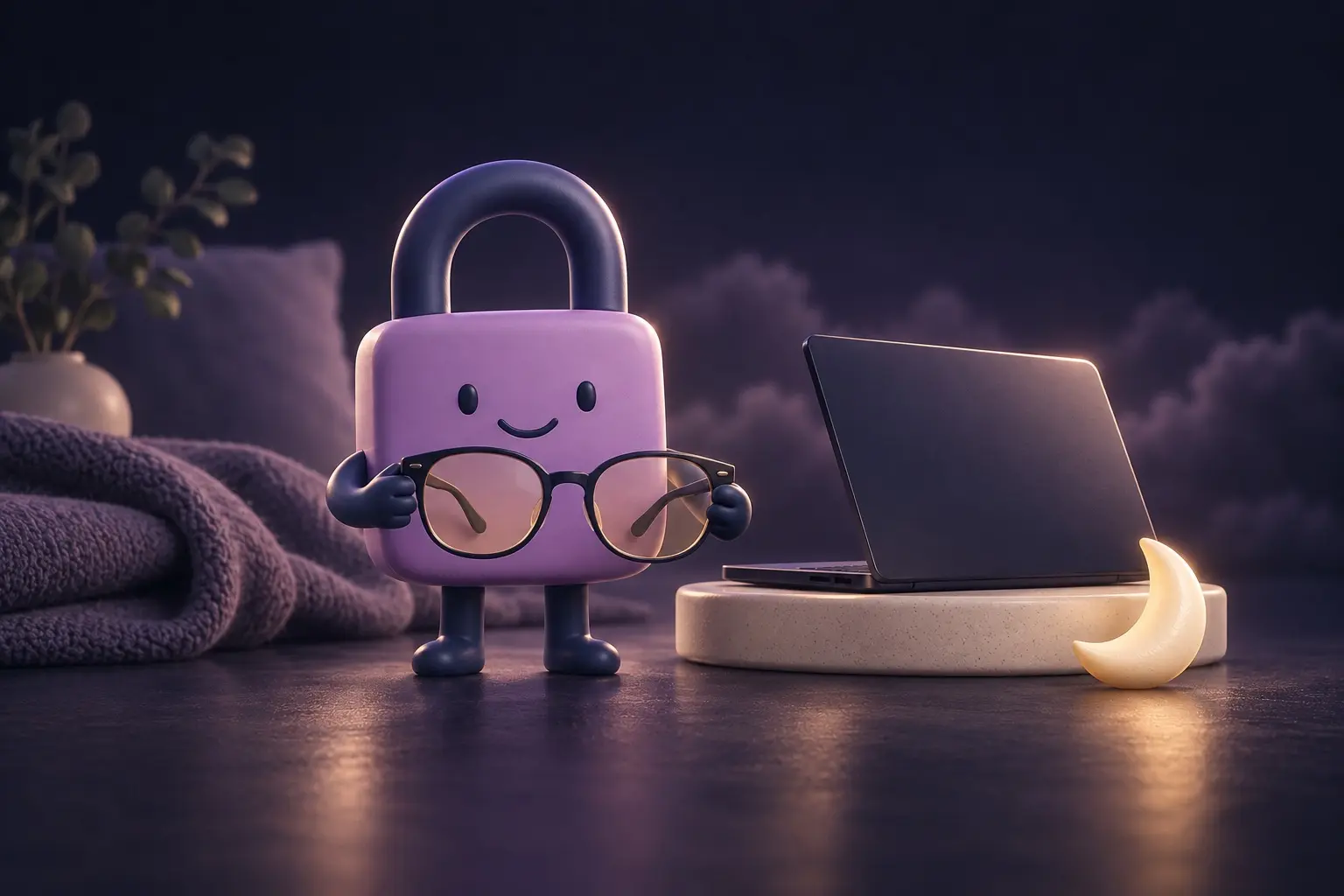
Blue Light Blocking Glasses: Do They Really Help Your Eyes and Sleep?
You've probably heard claims that blue light blocking glasses reduce eye strain and improve sleep. But do they really work? Let's explore the science behind blue light glasses, their actual effects, and how to choose the right pair.
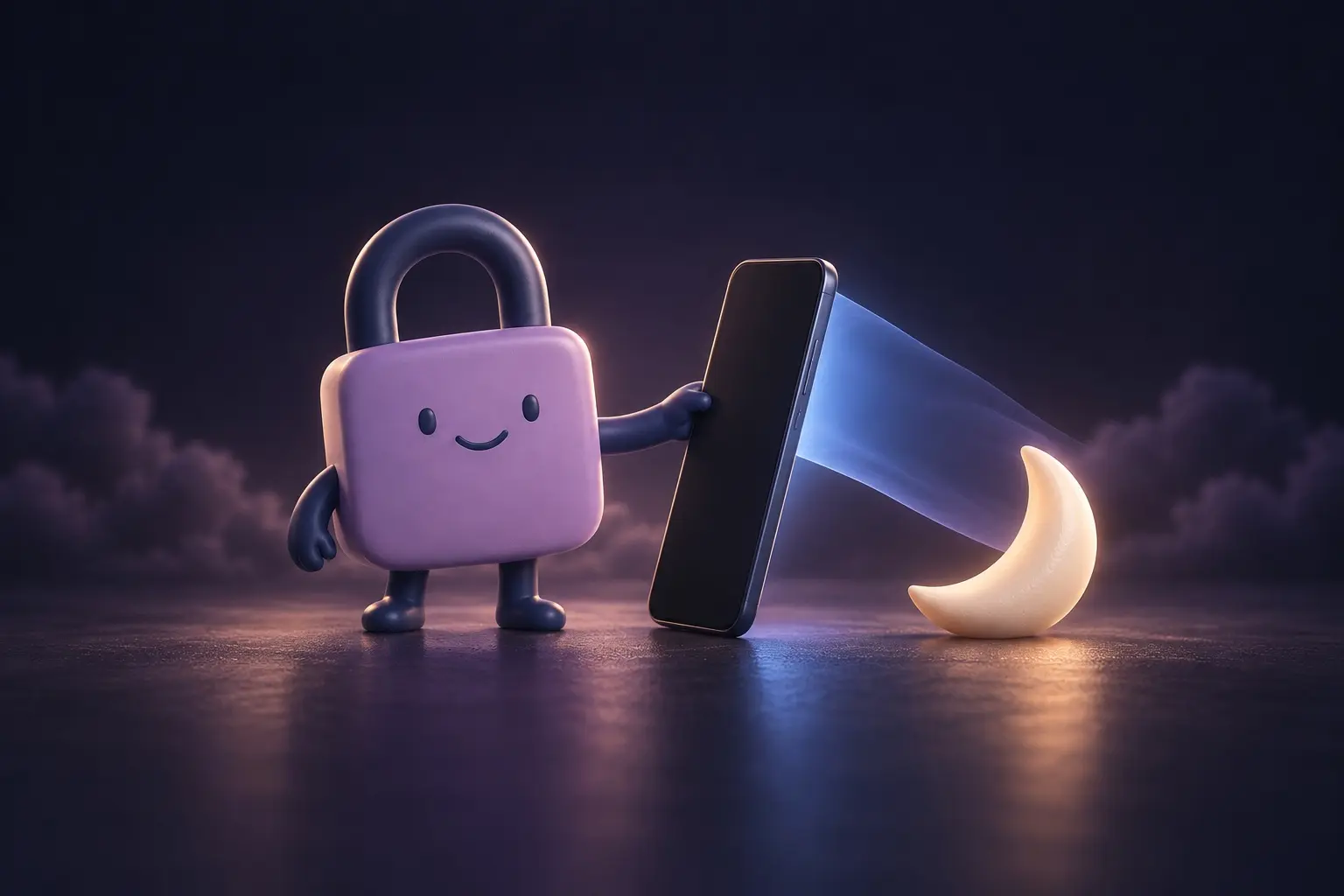
How Blue Light Affects Your Sleep: The Smartphone-Sleep Connection
Have you ever struggled to fall asleep after scrolling through your phone late at night? Blue light has a significant impact on our sleep patterns. Let's explore what blue light is, how it disrupts sleep, and how you can manage its effects.