
I Suddenly Stop Breathing While Sleeping: Complete Guide to Sleep Apnea

In this article
Have you ever felt like your breathing stopped during sleep? Has your partner witnessed you stop breathing while snoring? Sleep apnea is more common and dangerous than many people realize. With proper understanding and management, you can reclaim healthy sleep.
What is Sleep Apnea?
Sleep apnea is a sleep disorder characterized by repeated pauses or shallow breathing during sleep. Each apnea episode lasts at least 10 seconds, and in severe cases, can occur more than 30 times per hour.
This condition disrupts oxygen supply to the brain and body, causing various health problems. It's known to increase risks of high blood pressure, heart disease, diabetes, and stroke.
Key Point
Sleep apnea is not just snoring. It's a medical condition that can lead to serious health issues if left untreated.
Types of Sleep Apnea
Sleep apnea is divided into three main types:
Obstructive Sleep Apnea (OSA)
The most common type. It occurs when throat muscles relax and block the airway during sleep. This accounts for about 80% of all sleep apnea cases.
Central Sleep Apnea (CSA)
Occurs when the brain fails to send proper signals to breathing muscles. More common in patients with heart failure or stroke history.
Complex Sleep Apnea
A combination of obstructive and central sleep apnea. Requires specialized management due to treatment complexity.
Key Symptoms
If you experience these symptoms, you may have sleep apnea:
Loud Snoring
Snoring loud enough to be heard from another room, especially with gasping or choking sounds.
Witnessed Breathing Pauses
Partner or family member observes you stop breathing during sleep.
Sudden Awakenings
Waking up with a sensation of choking or gasping for air.
Morning Headaches
Frequent headaches in the morning due to oxygen deprivation.
Excessive Daytime Sleepiness
Feeling extremely tired during the day despite adequate sleep time.
Difficulty Concentrating
Decreased memory and concentration, easily irritable.
Risk Factors
These factors increase your risk of sleep apnea:
Overweight/Obesity
Fat deposits around the neck narrow the airway. Risk significantly increases with BMI of 30 or higher.
Neck Circumference
Neck circumference over 17 inches (43cm) in men or 15 inches (38cm) in women increases risk of airway obstruction.
Age
More common in people over 40, with risk increasing with age.
Family History
Having family members with sleep apnea increases your risk 2-4 times.
Alcohol and Sedatives
Alcohol and sleeping pills relax throat muscles, worsening airway obstruction.
Smoking
Causes inflammation and fluid retention in the upper airway, narrowing it.
Diagnosis Methods
Tests used to diagnose sleep apnea:
Polysomnography (PSG)
The most accurate test, measuring brain waves, eye movement, heart rate, breathing, and oxygen levels overnight at a sleep center.
Home Sleep Test
Monitors sleep at home with simplified equipment. Used for patients with suspected mild to moderate sleep apnea.
Apnea-Hypopnea Index (AHI)
Measures severity by counting apnea/hypopnea events per hour. 5-15 is mild, 15-30 is moderate, over 30 is severe.
Treatment Options
Sleep apnea can be treated through various methods:
CPAP Therapy
The most effective treatment. Delivers continuous air pressure through a mask to keep the airway open.
Oral Appliances
Mouthpiece-type devices that move the jaw forward to widen the airway. Effective for mild to moderate cases.
Positional Therapy
Sleeping on your side reduces gravity-induced airway collapse. Position-maintaining devices can help.
Surgery
Options include tonsillectomy, uvulopalatopharyngoplasty, and jaw surgery. Considered when anatomical causes are clear.
Weight Loss
For overweight individuals, losing just 10% of body weight can significantly improve symptoms.
Lifestyle Changes
These lifestyle changes help alongside treatment:
- 1Maintain a regular sleep schedule
- 2Avoid alcohol 4 hours before bedtime
- 3Avoid sleeping pills and sedatives
- 4Develop a habit of sleeping on your side
- 5Quit smoking
- 6Maintain a healthy weight
- 7Avoid overeating before bed
- 8Treat nasal congestion if present
Complications of Untreated Sleep Apnea
Leaving sleep apnea untreated can lead to these complications:
Cardiovascular Disease
Increased risk of high blood pressure, arrhythmia, heart failure, and heart attack.
Stroke
Severe sleep apnea patients have 2-3 times higher stroke risk.
Type 2 Diabetes
Increased insulin resistance raises diabetes risk.
Traffic Accidents
Daytime sleepiness increases traffic accident risk 2-7 times.
Mental Health
May be accompanied by depression, anxiety, and cognitive decline.
Early Detection and Treatment Matter
Sleep apnea symptoms can be effectively managed with proper treatment. If you snore loudly or seem to stop breathing during sleep, consult a specialist.
Good sleep is the foundation of a healthy life. Don't ignore your sleep quality, and actively seek testing and treatment if needed.

The Dangerous Consequences of Ignoring Your Snoring
Snoring is often dismissed as just a sleep habit, but leaving it untreated can lead to serious health problems. Learn why you should address your snoring now and what consequences can arise from ignoring it.

The Complete Guide to Snoring: Causes, Diagnosis, Treatment & Prevention
Snoring affects millions of people worldwide, disrupting not only the snorer's sleep but also their partner's rest. While occasional snoring is common, chronic snoring can signal underlying health issues and significantly impact quality of life. This comprehensive guide covers everything you need to know about snoring—from what causes it to how you can treat and prevent it.

Not Breathing in Your Sleep? Why You Shouldn't Ignore Sleep Apnea
Does your partner say you stop breathing in your sleep? Do you wake up gasping for air? These aren't just snoring problems—they could be signs of sleep apnea, a condition that affects millions but is often ignored. Let's explore why leaving sleep apnea untreated is a dangerous gamble with your health.

Polysomnography (PSG) Complete Guide: Cost, Process, and Insurance
Snoring, sleep apnea, insomnia... Are you struggling with sleep problems? Polysomnography (PSG) is the most definitive way to accurately diagnose sleep disorders. Let's explore the costs, process, and insurance coverage.

Can You Drive After Sleep Endoscopy? Understanding the Procedure and Avoiding Gibberish
Sleep endoscopy is a diagnostic procedure that helps identify the exact location and cause of airway obstruction during sleep. Since it's performed under sedation, many patients wonder when they can safely drive and what to expect during recovery. This guide covers everything you need to know about post-procedure safety and what happens during the examination.
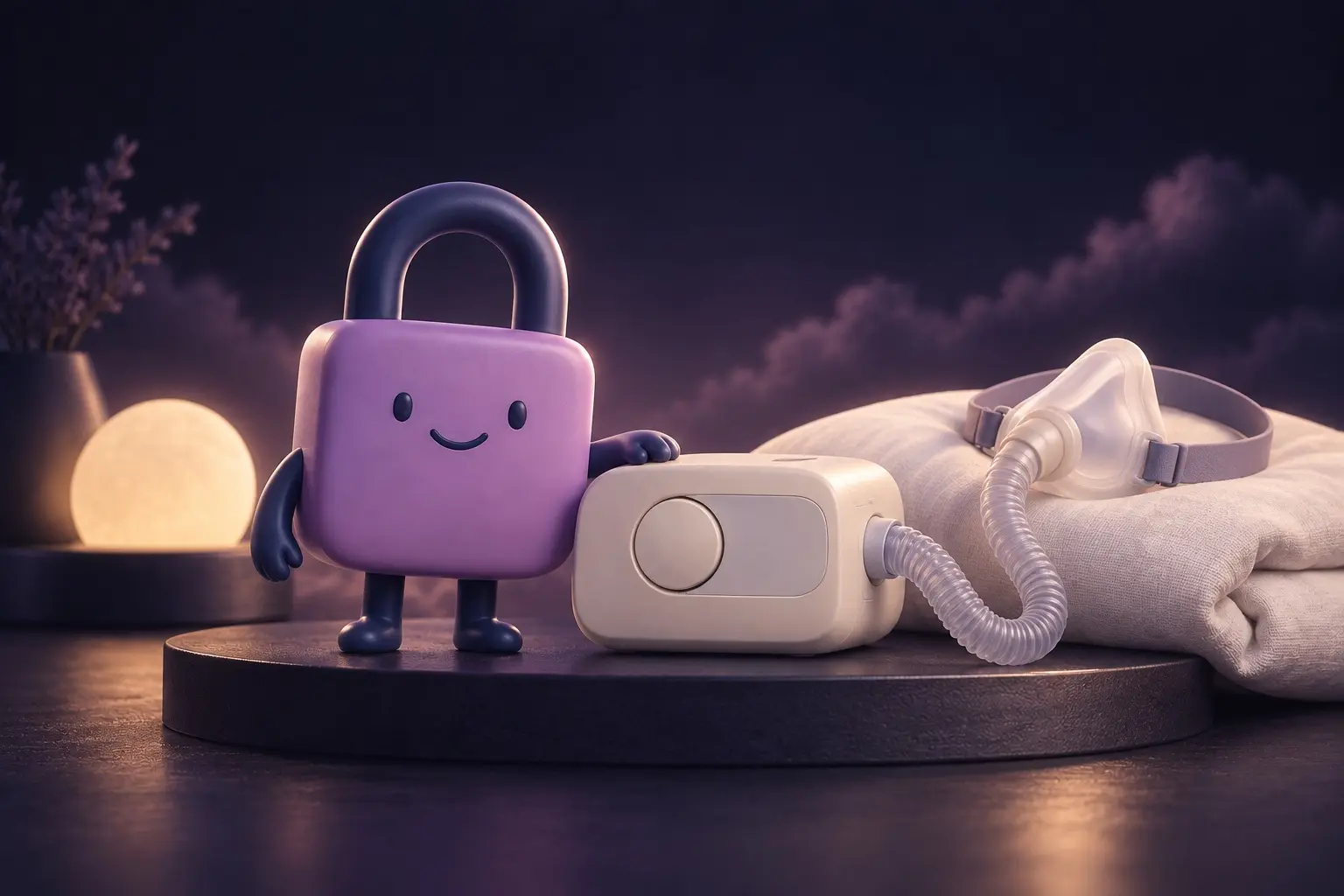
Complete Guide to Sleep Apnea: Symptoms, Causes, Diagnosis, and Treatment
Do you sleep enough at night but still feel tired in the morning? Does your partner complain about your loud snoring? Have you ever woken up gasping for air? These symptoms could be signs of 'sleep apnea.' Let's learn about this common yet dangerous sleep disorder that affects approximately 20% of adults.