Anxiety Disorder Test: 5 Key Signs to Self-Check
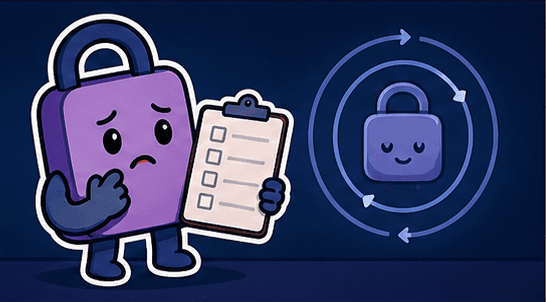
Do you feel anxious and restless for no apparent reason these days? Anxiety disorders are extremely common mental health issues among modern people. However, many find it difficult to determine whether their anxiety is within normal range or requires professional help. In this article, we'll explore the main symptoms of anxiety disorders and self-assessment methods.
What is an Anxiety Disorder?
An anxiety disorder is a condition where excessive worry, fear, and tension interfere with daily life. While everyone experiences temporary anxiety, anxiety disorders involve persistent and uncontrollable feelings.
Approximately 4% of the global population suffers from anxiety disorders, with the highest incidence rates in people aged 20-30. Most cases can improve with early detection and appropriate treatment.
Key Point
Anxiety disorders are treatable conditions. Recognizing symptoms and seeking appropriate help is the first step to recovery.
Anxiety Disorder Self-Assessment: 5 Items to Check
If several of the following 5 items apply to you, consider seeking professional consultation.
1. Persistent Excessive Worry
Worrying excessively about trivial matters, imagining worst-case scenarios, and finding it difficult to stop worrying. Attention is needed if this worry persists for more than 6 months.
2. Physical Symptoms
Frequent physical symptoms such as heart palpitations, sweating, trembling hands, muscle tension, headaches, and digestive problems. If these symptoms recur without a specific cause, it may be an anxiety disorder.
3. Sleep Problems
Difficulty falling asleep, frequent waking, nightmares, and reduced sleep quality. Often tossing and turning at night due to anxious thoughts.
4. Avoidance Behavior
Trying to avoid situations or places that trigger anxiety. For example, avoiding crowded places, public transportation, or presentation situations.
5. Difficulty Concentrating
Difficulty concentrating on work or study due to anxious thoughts. Often spacing out or getting easily distracted.
Types of Anxiety Disorders
Anxiety disorders are divided into several types, each with different characteristics.
Generalized Anxiety Disorder (GAD)
Experiencing chronic worry and anxiety in various situations. Excessive worry persists throughout daily life.
Panic Disorder
Sudden, intense fear accompanied by physical symptoms such as increased heart rate and difficulty breathing.
Social Anxiety Disorder
Extreme fear of being evaluated or embarrassed in front of others.
Specific Phobias
Experiencing extreme fear of specific objects or situations (heights, animals, blood, etc.).
The Relationship Between Anxiety Disorders and Sleep
Anxiety disorders and sleep problems are closely connected.
- Anxiety disrupts sleep, and sleep deprivation worsens anxiety, creating a vicious cycle.
- About 70% of anxiety disorder patients also experience sleep disorders.
- Quality sleep plays an important role in alleviating anxiety symptoms.
- Creating a relaxing routine before bed helps reduce anxiety and improve sleep.
Self-Care Methods for Anxiety Relief
These are methods you can practice daily alongside professional treatment.
Regular Exercise
Aerobic exercise for 30+ minutes, 3-4 times a week is effective for anxiety relief. Walking, jogging, and swimming are good options.
Breathing Training
The 4-7-8 breathing technique (inhale for 4 seconds, hold for 7, exhale for 8) helps calm acute anxiety.
Mindfulness
Meditation practice focusing on the present moment is effective in breaking the cycle of worrying thoughts.
Limit Caffeine and Alcohol
Caffeine can worsen anxiety, and while alcohol may seem temporarily relaxing, it increases anxiety in the long term.
Improve Sleep Hygiene
Regular sleep schedule, dark environment, and limiting screen time before bed can help.
When to Seek Professional Help
It is recommended to consult a mental health professional in the following cases.
- When anxiety symptoms persist for more than 2 weeks
- When it interferes with daily life (work, school, relationships)
- When experiencing panic attacks
- When having thoughts of self-harm or suicide
- When trying to relieve anxiety with drugs or alcohol
Anxiety Can Be Managed
Anxiety disorders are common and treatable conditions. Don't be afraid to accurately recognize your symptoms and seek professional help when needed.
Good sleep habits and self-care are very helpful in relieving anxiety. Start small changes today.
⚠️ Important Notice
This article is for informational purposes only and is not a substitute for professional medical advice, diagnosis, or treatment. If you suspect you have a sleep disorder or any health condition, please consult a doctor or sleep specialist.

Take the First Step to Better Sleep
Build healthy sleep habits with Good Night Lock.
Download Good Night LockRelated Articles
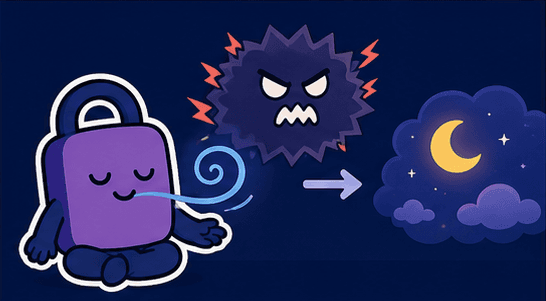
Panic Disorder: Understanding Causes, Symptoms, and Treatment Options
Panic disorder is characterized by sudden, unexpected panic attacks that can be terrifying. These attacks cause intense physical symptoms and fear. Understanding panic disorder is the first step toward effective management and recovery.
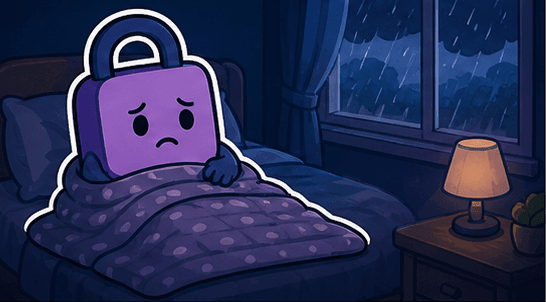
Sleeping Too Much Could Mean Depression: Understanding Atypical Depression
While insomnia is commonly associated with depression, sleeping too much can also be a significant warning sign. Atypical depression is a subtype of major depression where hypersomnia (excessive sleeping) is one of the main symptoms. Learn about this often overlooked condition, its symptoms, and how it differs from typical depression.