Sleeping Too Much Could Mean Depression: Understanding Atypical Depression
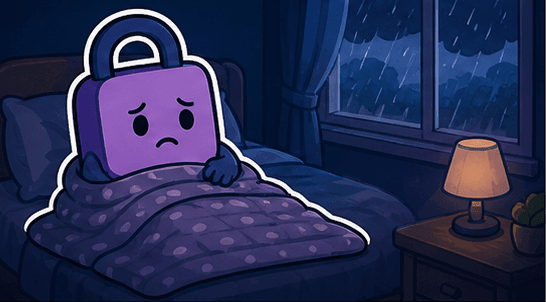
While insomnia is commonly associated with depression, sleeping too much can also be a significant warning sign. Atypical depression is a subtype of major depression where hypersomnia (excessive sleeping) is one of the main symptoms. Learn about this often overlooked condition, its symptoms, and how it differs from typical depression.
What Is Atypical Depression?
Atypical depression is a subtype of major depressive disorder that presents with a unique set of symptoms. Despite its name, it's actually quite common - some studies suggest it may affect 15-36% of people with major depression.
The term 'atypical' was coined because this form of depression doesn't follow the pattern of what was traditionally considered 'typical' depression, which includes persistent sadness, insomnia, and loss of appetite.
Key Features of Atypical Depression:
- Mood reactivity - your mood brightens in response to positive events
- Hypersomnia - sleeping 10+ hours daily and still feeling tired
- Increased appetite or significant weight gain
- Heavy, leaden feeling in arms or legs
- Extreme sensitivity to rejection or criticism
The Connection Between Oversleeping and Depression
Hypersomnia in atypical depression isn't just regular tiredness. People may sleep 10, 12, or even more hours per day and still wake up feeling exhausted. This excessive need for sleep can significantly impact daily functioning.
Excessive Sleep Duration
Sleeping 10+ hours regularly yet never feeling rested or refreshed.
Difficulty Waking Up
Extreme difficulty getting out of bed, often needing multiple alarms or assistance.
Daytime Sleepiness
Persistent drowsiness throughout the day despite long nighttime sleep.
Social Withdrawal
Using sleep as an escape mechanism to avoid daily responsibilities or social interactions.
Atypical vs. Typical Depression
Understanding the differences between atypical and typical depression is important for proper diagnosis and treatment.
Typical Depression
- •Insomnia or early morning awakening
- •Loss of appetite and weight loss
- •Persistent low mood regardless of circumstances
- •Symptoms often worse in the morning
Atypical Depression
- •Hypersomnia (excessive sleeping)
- •Increased appetite and weight gain
- •Mood temporarily improves with positive events
- •Symptoms often worse in the evening
Other Symptoms of Atypical Depression
Besides hypersomnia, atypical depression has several other distinctive symptoms that set it apart from other forms of depression.
Leaden Paralysis
A heavy, weighted-down feeling in the arms and legs that makes physical movement feel difficult.
Rejection Sensitivity
Intense emotional reactions to perceived rejection or criticism, often affecting relationships and work.
Increased Appetite
Craving carbohydrates and comfort foods, often leading to significant weight gain.
Mood Reactivity
Unlike typical depression, mood can temporarily lift in response to positive events or good news.
Risk Factors and Who's Affected
Atypical depression tends to have some specific risk factors and demographics.
- More common in women than men
- Often begins earlier in life (teenage years or early 20s)
- Higher rates of anxiety disorders
- More likely to have a family history of mood disorders
- May be associated with bipolar disorder
- Seasonal patterns are common
Treatment Options
Atypical depression responds well to treatment, though the approach may differ from typical depression.
Medication
MAOIs (monoamine oxidase inhibitors) and SSRIs are often effective. Response to medication may differ from typical depression.
Psychotherapy
Cognitive behavioral therapy (CBT) and interpersonal therapy can help address negative thought patterns and improve relationships.
Lifestyle Changes
Regular exercise, sleep hygiene practices, and maintaining a consistent routine can help manage symptoms.
Light Therapy
Especially helpful if symptoms follow a seasonal pattern or are worse during winter months.
When to Seek Help
If you recognize these symptoms in yourself or a loved one, seeking professional help is important.
Seek Help If You Experience:
- Regularly sleeping 10+ hours and still feeling exhausted
- Difficulty getting out of bed affecting work or school
- Significant weight gain due to increased appetite
- Extreme sensitivity to rejection affecting relationships
- Using sleep to escape from problems or emotions
- Mood symptoms lasting more than two weeks
A mental health professional can properly diagnose atypical depression and create a treatment plan tailored to your specific symptoms and needs.
Conclusion
Sleeping too much isn't just laziness or loving sleep - it can be a significant symptom of atypical depression. This condition, while often overlooked, is very treatable with the right approach.
If you find yourself constantly exhausted despite sleeping long hours, craving comfort foods, or feeling extremely sensitive to criticism, consider talking to a mental health professional. Understanding that these symptoms form a recognizable pattern can be the first step toward getting the help you need.
⚠️ Important Notice
This article is for informational purposes only and is not a substitute for professional medical advice, diagnosis, or treatment. If you suspect you have a sleep disorder or any health condition, please consult a doctor or sleep specialist.

Take the First Step to Better Sleep
Build healthy sleep habits with Good Night Lock.
Download Good Night LockRelated Articles

Anxiety Disorder Test: 5 Key Signs to Self-Check
Do you feel anxious and restless for no apparent reason these days? Anxiety disorders are extremely common mental health issues among modern people. However, many find it difficult to determine whether their anxiety is within normal range or requires professional help. In this article, we'll explore the main symptoms of anxiety disorders and self-assessment methods.
Panic Disorder: Understanding Causes, Symptoms, and Treatment Options
Panic disorder is characterized by sudden, unexpected panic attacks that can be terrifying. These attacks cause intense physical symptoms and fear. Understanding panic disorder is the first step toward effective management and recovery.