Best Lullabies and Nursery Songs That Babies Love
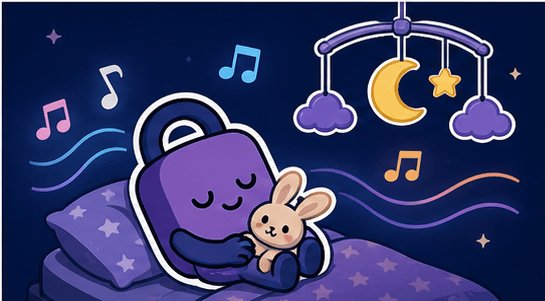
Finding the perfect lullaby to soothe your baby to sleep can transform bedtime from a struggle into a peaceful ritual. While every baby is unique, certain songs have proven universally effective across cultures and generations. This guide explores the most beloved lullabies, what makes them work, and how to use them effectively.
Classic Lullabies That Stand the Test of Time
These timeless lullabies have soothed babies for generations with their gentle melodies and comforting rhythms:
Twinkle, Twinkle, Little Star
Perhaps the most recognized lullaby worldwide, its simple melody and repetitive structure make it perfect for calming babies. The gentle rising and falling notes mimic natural soothing patterns.
Rock-a-bye Baby
Dating back centuries, this classic features a slow, swaying rhythm that naturally encourages rocking motion—one of the most effective soothing techniques for infants.
Brahms' Lullaby
Also known as 'Cradle Song,' this 19th-century composition by Johannes Brahms remains one of the most beloved sleep songs, with its gentle descending melody inducing deep relaxation.
Hush, Little Baby
This American folk song's repetitive, reassuring lyrics and steady tempo create a predictable pattern that helps babies feel safe and secure.
All the Pretty Horses
A traditional American lullaby with a haunting, beautiful melody that has been soothing babies in the American South for generations.
Modern Favorites Babies Love
Contemporary songs that have become beloved bedtime companions for today's families:
You Are My Sunshine
Though originally a country song from 1939, its sweet message and simple melody have made it a popular choice for parents singing their babies to sleep.
Somewhere Over the Rainbow
The gentle, dreamlike quality of this song, especially in acoustic versions, creates a magical atmosphere perfect for bedtime.
A Dream Is a Wish Your Heart Makes
This Disney classic's soft melody and hopeful lyrics resonate with both parents and babies, creating a sense of wonder and peace.
Baby Mine
From Disney's Dumbo, this tender song about maternal love has become a cherished lullaby for many families.
Lullabies from Around the World
Beautiful sleep songs from different cultures that have soothed babies for centuries:
Suo Gân (Welsh)
This Welsh lullaby, meaning 'lullaby,' features a gentle, swaying rhythm and has been sung to Welsh children for centuries.
Wiegenlied (German)
German lullabies are known for their structured, comforting melodies that create a sense of order and safety.
Duerme Negrito (Spanish)
A Latin American lullaby with Afro-Caribbean roots, featuring a gentle rhythm that's perfect for rocking.
Nana, Nenê (Portuguese)
Brazilian lullabies often incorporate soft samba rhythms that babies find naturally soothing.
Ninna Nanna (Italian)
Italian lullabies are characterized by their lyrical, flowing melodies that seem to naturally lull babies to sleep.
What Makes an Effective Lullaby
Understanding the science behind why certain songs work better for sleep:
Slow Tempo
Effective lullabies typically have 60-80 beats per minute, which aligns with a relaxed heart rate and naturally slows the baby's own heartbeat.
Simple Melody
Uncomplicated, repetitive melodies are easier for babies to process and don't stimulate the brain the way complex music does.
Descending Notes
Melodic patterns that move downward in pitch naturally induce relaxation and signal the body to wind down.
Repetition
Repeating verses and choruses create predictability, which is deeply comforting to babies who thrive on routine.
Soft Dynamics
Quiet, gentle singing activates the parasympathetic nervous system, promoting rest and relaxation.
Tips for Singing Lullabies to Your Baby
Maximize the soothing power of lullabies with these techniques:
Start Early in the Routine
Begin singing before your baby is overtired. Starting lullabies during the calm, drowsy phase is most effective.
Keep It Consistent
Sing the same songs in the same order each night. This predictability becomes a powerful sleep cue over time.
Don't Worry About Your Voice
Your baby doesn't care if you can carry a tune. What matters is the comfort of your familiar voice and presence.
Add Gentle Movement
Combine singing with gentle rocking, swaying, or patting to engage multiple senses for deeper relaxation.
Gradually Decrease Volume
As your baby gets drowsier, slowly lower your voice until you're barely humming, then silence.
Creating Your Own Lullaby Playlist
Build a personalized collection that works for your unique baby:
Start with Classics
Begin with traditional lullabies that have proven effective across generations—they're classics for a reason.
Include Family Songs
Songs with family significance—perhaps what your parents sang to you—add an extra layer of meaning and comfort.
Limit the Playlist
Keep your bedtime playlist to 5-7 songs maximum. Too much variety can be stimulating rather than soothing.
Test and Adjust
Watch your baby's reactions and note which songs seem most effective. Every baby has preferences.
When to Use Lullabies vs. White Noise
Understanding when each works best:
Lullabies Work Best For
Active soothing, bonding time, bedtime routines, when you want personal interaction with your baby.
White Noise Works Best For
Blocking external sounds, helping baby stay asleep, providing continuous background sound throughout the night.
Combining Both
Many parents find success singing lullabies during the wind-down period, then transitioning to white noise for the duration of sleep.
The Gift of Song
The lullabies you sing to your baby become part of their earliest memories, creating a soundtrack of safety and love that they'll carry throughout life. These simple songs have connected parents and children for thousands of years.
Whether you choose classic lullabies, modern favorites, or songs from your own cultural heritage, what matters most is the love and presence you bring to these precious bedtime moments. So tonight, dim the lights, hold your baby close, and let the magic of song work its timeless spell.
⚠️ Important Notice
This article is for informational purposes only and is not a substitute for professional medical advice, diagnosis, or treatment. If you suspect you have a sleep disorder or any health condition, please consult a doctor or sleep specialist.

Take the First Step to Better Sleep
Build healthy sleep habits with Good Night Lock.
Download Good Night LockRelated Articles
Why Is It So Hard to Wake Up in the Morning? Understanding Sleep Inertia
Do you find yourself hitting the snooze button multiple times every morning? Feel like you need an extra hour of sleep no matter how long you slept? You're experiencing sleep inertia - a fascinating phenomenon that affects millions of people worldwide.
Why Alcohol Disrupts Your Sleep (Even Though It Makes You Drowsy)
After a drink or two, you might feel relaxed and sleepy—perfect for bedtime, right? Not quite. While alcohol can make you drowsy initially, it actually sabotages your sleep quality in ways that leave you feeling tired the next day. Let's uncover the science behind alcohol's complex relationship with sleep.
The Napoleon Sleep Method: The Truth About 4-Hour Sleep
Have you heard the story about Napoleon, the great conqueror, who exercised powerful leadership while sleeping only 4 hours a day? Is this sleep method really effective? And did Napoleon actually use this method?
Why Do We Dream So Often? The Science Behind Frequent Dreams
Why do we have vivid dreams on some nights while remembering nothing on others? Let's explore the science of dreams to understand why we dream and how we can enjoy more restful nights.
The Science of Pulling an All-Nighter: How 24 Hours Without Sleep Affects Your Body and Brain
Cramming for an exam, racing against a project deadline, or staying up all night with friends—we've all been there. But what actually happens to your body and brain when you go a full 24 hours without sleep? Let's explore the science behind all-nighters and learn how to handle them when they're truly unavoidable.
Melatonin Side Effects: What to Know About 5mg & 10mg Doses
Melatonin is a natural hormone and popular sleep aid that helps millions get better rest. However, different dosages can come with various side effects. Let's explore how melatonin works, what side effects to watch for at different doses, and how to use it safely.