Baby White Noise: The Secret Weapon for Newborn Sleep
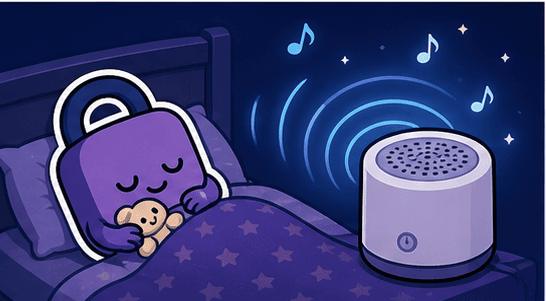
Struggling with a baby who wakes up all night? Discover the science behind white noise and how to use it properly. Learn how recreating the womb environment can work wonders for your baby's sleep.
Why White Noise Works for Babies
A completely silent environment is actually unfamiliar and uncomfortable for newborns. In the womb, babies spent 9 months constantly hearing mom's heartbeat, blood flow, and organ sounds. This noise level is around 70-90dB, similar to the sound of a vacuum cleaner.
White noise recreates this womb environment, providing babies with a familiar and safe feeling. For a baby suddenly thrust into a quiet world, white noise offers the comfort of returning 'home.'
Key Point:
Newborns aren't used to the silence of the outside world. White noise recreates womb sounds to soothe babies and help them fall asleep faster and deeper.
The Science Behind White Noise
White noise is effective for baby sleep for several scientific reasons:
Masks External Sounds
The consistent sound 'masks' other noises. It prevents sudden sounds like barking dogs, siblings, or closing doors from waking the baby.
Calming Effect
Repetitive sound patterns stabilize a baby's nervous system. Like a parent's 'shh shh' sound, it reduces the startle reflex and creates a sense of comfort.
Creates Sleep Association
Using white noise daily helps babies associate this sound with 'sleep time.' Like Pavlov's dogs, it creates a conditioned response where the sound triggers sleepiness.
Connects Sleep Cycles
Babies' sleep cycles change every 45 minutes, making them prone to waking. White noise smooths these transitions, helping babies stay asleep longer.
Using White Noise Safely
While white noise is effective, it's important to use it correctly to protect your baby's hearing:
Keep Volume Appropriate (50dB or Less)
White noise should be at the level of a quiet conversation. Too loud can damage baby's hearing. It should be comfortable to talk at arm's length distance.
Maintain Distance (Minimum 2 Meters)
Keep the white noise device at least 2 meters away from baby's head. Never place it inside the crib or bassinet. Across the room or on the floor near the bed is ideal.
Use Continuous Play
Continuous play all night is better than a timer. When babies wake at night, having the white noise still playing helps them fall back asleep on their own. Sudden silence can actually wake them.
Maintain Consistency
Use the same sound at the same time every day. Consistency is key to helping babies learn their sleep routine. Take a portable white noise device when traveling or going out.
Which Sound Works Best?
Not all white noise is created equal. While each baby may prefer different sounds, research has proven certain sounds to be effective:
Classic White Noise
A 'shh' sound with all frequencies equally mixed. Most universally effective and works well for most babies. Similar to FM radio static or air conditioner sounds.
Pink Noise
A softer sound with emphasized bass compared to white noise. Includes rain, wind, and waterfall sounds. Some babies find this more soothing.
Heartbeat Sound
Recreates the heartbeat sound heard in the womb. Particularly effective for newborns with direct calming effects.
Womb Sound
Actual recordings from inside the womb, including blood flow and organ sounds. Especially good for newborns under 3 months.
Try different sounds and find what your baby responds to best. Some babies fall asleep to vacuum cleaner sounds, while others prefer fan sounds.
How Long Should You Use It?
White noise can be safely used from newborn through toddler years:
0-3 Months: Most Effective
This period, called the 'fourth trimester,' is when babies adjust to the outside world. White noise is most effective here with almost immediate calming effects.
3-12 Months: Still Useful
As babies grow, sleep can be disrupted by nap regressions, teething, and developmental milestones. White noise helps smooth these transitions.
12+ Months: Optional
After the first birthday, you can gradually reduce white noise dependence. But continuing use is perfectly fine - many adults sleep better with white noise too!
Don't worry about white noise 'addiction.' You can gradually reduce volume or stop use anytime. Just avoid stopping abruptly, as it may disrupt sleep for a few days.
White Noise vs Music vs Lullabies
Many parents wonder: why use white noise instead of music or lullabies?
White Noise Advantages
The consistent, monotonous sound doesn't stimulate baby's brain. It effectively blocks external noise and doesn't disturb sleep. Ideal for all-night use.
Music Disadvantages
Music has melody and rhythm changes that can stimulate baby's brain. When songs end, sudden silence can wake the baby. Continuous loops can drive parents crazy.
When to Use Lullabies?
Lullabies are great for pre-sleep routines. But for actual sleep time, white noise is more effective. Use both: start with lullabies, maintain with white noise.
Peaceful Nights for the Whole Family with White Noise
White noise isn't magic. But it's a scientifically validated tool based on babies' physiological needs. Used correctly, it helps babies fall asleep faster, sleep longer, and wake less during the night.
Remember that every baby is different. Some respond to white noise from day one, while others may take a few days. With patience and consistency, soon your whole family will experience better sleep.
⚠️ Important Notice
This article is for informational purposes only and is not a substitute for professional medical advice, diagnosis, or treatment. If you suspect you have a sleep disorder or any health condition, please consult a doctor or sleep specialist.

Take the First Step to Better Sleep
Build healthy sleep habits with Good Night Lock.
Download Good Night Lock