Bed Rotting: Pros and Cons of the Gen Z Rest Trend
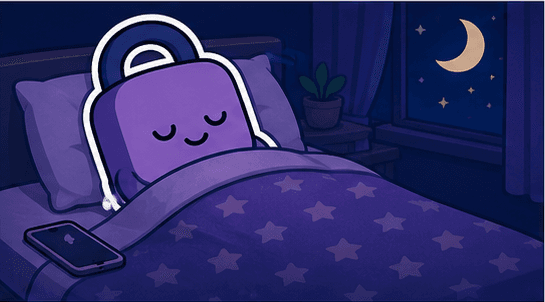
Bed rotting refers to the Gen Z self-care trend of spending an entire day lying in bed doing nothing. Originating on TikTok, this phenomenon emerged as a reaction to burnout and hustle culture. But is it really restful, or is it a harmful habit?
What is Bed Rotting?
Bed rotting literally means 'rotting in bed.' It involves spending an entire day or extended periods lying in bed watching TV, scrolling through your phone, snacking, or simply doing nothing.
This trend exploded on TikTok in 2023, becoming particularly popular among Gen Z and millennials. Young generations exhausted by 'grind culture' and constant productivity pressure began intentionally choosing to 'do nothing.'
Characteristics of Bed Rotting
- •Intentionally spending long hours in bed
- •Deliberately avoiding productive activities
- •Passive activities like streaming, social media, snacking
- •Goal is to rest without guilt
Why is Bed Rotting Popular?
Several modern societal issues contributed to this trend's emergence.
Burnout Culture
Generations exhausted by the pressure to always be busy seek extreme rest. According to the American Psychological Association, 46% of Gen Z report feeling stressed most of the time.
Social Media's Role
People tired of 'perfect life' content on Instagram and TikTok started sharing realistic rest moments. The message 'it's okay not to be productive' resonated widely.
Post-Pandemic Shift
After experiencing COVID-19, perceptions of work-life balance changed. Many people rediscovered the value of time spent at home.
Redefining Self-Care
Unlike traditional 'active self-care' (exercise, skincare, etc.), a new perspective emerged defining 'doing nothing' itself as self-care.
Potential Benefits of Bed Rotting
When used appropriately, bed rotting can have positive aspects.
Physical Recovery
When recovering from intense physical activity or illness, adequate rest promotes recovery. Even without sleeping, simply lying down can relieve muscle fatigue.
Mental Recharge
Temporarily stepping away from constant stimulation and decisions can restore mental energy. This is called 'cognitive rest' and helps improve creativity and problem-solving.
Guilt-Free Rest
In modern society, guilt about 'doing nothing' is prevalent. Redefining bed rotting as self-care can reduce guilt about resting.
Stress Relief
Short periods of complete rest can help lower cortisol (stress hormone) levels.
Risks of Bed Rotting
However, experts warn that bed rotting can be harmful to health.
Sleep-Wake Rhythm Disruption
When time spent awake in bed increases, the brain stops associating the bed with sleep. This can lead to insomnia and poor sleep quality.
Link to Depression
Staying in bed all day can be both a symptom and worsening factor of depression. You can fall into a vicious cycle of decreased activity → low mood → needing more rest.
Physical Health Issues
Lying down for extended periods can cause muscle weakness, poor circulation, and back pain. Lack of physical activity also negatively affects metabolic health.
Social Isolation
Repeated bed rotting can reduce interaction with friends and family, leading to social isolation.
Reinforcing Avoidance Behavior
Hiding in bed to escape stress or responsibilities is avoidance, not problem-solving. If this pattern becomes established, actual problems can grow.
Guidelines for Healthy Bed Rotting
Rather than avoiding it entirely, there are ways to enjoy bed rotting healthily.
Set Time Limits
Limit to 2-4 hours rather than all day. Setting a timer helps.
Control Frequency
Only bed rot occasionally, not daily. About 1-2 times per week is appropriate.
Separate from Sleep Time
Do it during the day rather than evening to avoid affecting nighttime sleep. Get out of bed at least 4 hours before bedtime.
Passive vs Active Rest
Sometimes include 'active rest' like listening to music without screens or meditating.
Separate Environments
If possible, use a couch or hammock instead of bed. It's better to keep the bed as a sleep-only space.
Self-Check
Do you feel better or worse after bed rotting? If you feel depressed or lethargic, consult a professional.
Expert Opinions
Sleep experts and psychologists take a cautious stance on bed rotting.
Sleep Hygiene Perspective
"The bed should be a space for sleep and intimacy. When time spent awake in bed increases, the brain gets reprogrammed to 'bed = alertness,' which can cause insomnia."
Mental Health Perspective
"It's natural to sometimes need rest. However, if bed rotting becomes routine or a means to avoid responsibilities, it could be a sign of depression."
Importance of Balance
"True self-care is a balance of rest and activity. Walking, social interaction, and meaningful activities are just as important for mental health as bed rotting."
Bed Rotting Alternatives: Healthy Rest Methods
Here are healthy rest alternatives to try instead of bed rotting.
Power Naps
Short 20-30 minute naps restore energy without affecting nighttime sleep.
Rest in Nature
Time spent in nature, like 'forest bathing' or park walks, is more effective for stress relief.
Digital Detox
Take time away from smartphones and social media to read books or meditate.
Yoga Nidra
Called 'yogic sleep,' this technique is a guided meditation done lying down that provides deep relaxation.
Social Rest
Chatting with friends or playing casual board games can also provide mental rest.
Frequently Asked Questions
Q. Is bed rotting laziness?
Not necessarily. Intentional rest and avoidance behavior are different. Occasionally resting in bed when mentally or physically exhausted is a natural response. However, doing it daily or to avoid responsibilities can be problematic.
Q. Does bed rotting affect sleep?
Yes, it can. When time spent awake in bed increases, the brain stops associating the bed with sleep, which can cause insomnia. Sleep hygiene principles recommend using the bed only for sleep.
Q. Is it okay to bed rot when depressed?
If you have depression, bed rotting can worsen symptoms. Lack of activity can deepen depressive feelings, which contradicts 'behavioral activation' treatment principles. If depression persists, professional consultation is recommended.
Q. How often is bed rotting okay?
Occasional short bed rotting (2-4 hours) about 1-2 times per week is fine for most people. However, doing it daily or staying in bed all day can cause sleep and mental health issues.
Key Takeaways
- Bed rotting is a Gen Z rest trend of passively resting in bed for long periods
- Emerged as a reaction to burnout culture and hustle culture
- Occasional rest is okay, but becoming a habit increases risk of sleep problems and depression
- Using the bed only for sleep is good for sleep hygiene
- Healthy alternatives: power naps, nature rest, digital detox
- If you feel worse after bed rotting, consider consulting a professional
Conclusion: Finding Balanced Rest
Bed rotting is a trend that reflects modern people's need for rest. It sends the message 'it's okay to do nothing' to those exhausted by the pressure to constantly be productive.
But true self-care lies in balance, not extremes. While occasionally resting in bed is okay, you should also maintain healthy sleep habits and an active lifestyle. Find the healthy rest method that works for you.
⚠️ Important Notice
This article is for informational purposes only and is not a substitute for professional medical advice, diagnosis, or treatment. If you suspect you have a sleep disorder or any health condition, please consult a doctor or sleep specialist.

Take the First Step to Better Sleep
Build healthy sleep habits with Good Night Lock.
Download Good Night LockRelated Articles

Dark Showering: The Sleep Trend of Clearing Your Mind in Darkness
Have you heard of 'dark showering' that's gone viral on social media? This trend of showering with the lights off is more than just a fad—it can actually help with sleep and mental health. Discover why showering in darkness is effective for modern people suffering from sensory overload, and how to get started.
Scandinavian Sleep Method: Solving Couple Sleep Problems with Two Duvets
Have you ever lost sleep fighting over the blanket with your partner? The 'Scandinavian Sleep Method' from Northern Europe might be the solution. Discover why this simple method of using separate duvets while sharing a bed is gaining popularity among couples, and how to get started.

Sleepmaxxing: The Trend of Optimizing Sleep to the Extreme
Sleepmaxxing is the trend of using every possible method to maximize sleep quality. From optimizing bedroom environments to advanced sleep trackers and specialized supplements - the movement to 'hack' sleep is spreading, especially among Gen Z and millennials. But does it actually work?

Potato Bed: The Trend of Rolling Around in Bed Like a Potato
Potato Bed is a trend of spending completely unproductive time rolling around in bed like a potato. A cousin of Bed Rotting, this trend has gained popularity on social media as a form of rest and self-care. But is it okay to become a potato and roll around in bed?