Foods You Can Eat Before Bed: Discover What Helps You Sleep Better
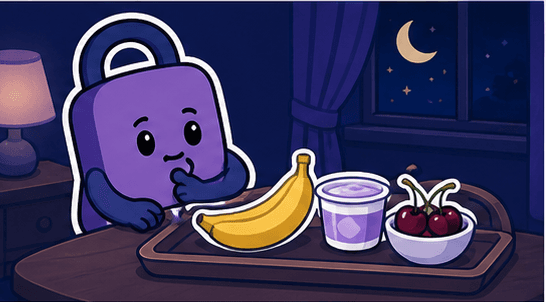
Late-night hunger can be frustrating, especially when you're trying to get quality sleep. The good news is that not all foods disrupt your sleep—some can actually help you drift off faster and sleep more soundly. Let's explore what you can safely eat before bed and which foods are best for promoting restful sleep.
Why Late-Night Eating Affects Sleep
Your body's digestive system slows down as you prepare for sleep. Eating heavy or difficult-to-digest foods late at night can cause discomfort, acid reflux, and interrupted sleep. However, light snacks with the right nutrients can actually support your sleep cycle.
The key is choosing foods that are easy to digest and contain sleep-promoting nutrients like tryptophan, melatonin, magnesium, and complex carbohydrates.
Timing Matters
Ideally, finish eating 2-3 hours before bed. If you need a late-night snack, keep it small (under 200 calories) and choose sleep-friendly foods.
Best Foods for Better Sleep
These foods contain natural compounds that can help you relax and sleep better:
Cherries (especially tart cherries)
One of the few natural sources of melatonin, the hormone that regulates your sleep-wake cycle. A small bowl or cherry juice can help improve sleep quality.
Bananas
Rich in potassium, magnesium, and tryptophan—all nutrients that help relax muscles and promote sleepiness. They're also easy to digest.
Almonds and Walnuts
Both contain melatonin and magnesium. Walnuts are particularly high in omega-3 fatty acids that may improve sleep quality.
Warm Milk
Contains tryptophan and has a psychological calming effect. The warmth can help relax your body and signal bedtime.
Kiwi
Studies show eating 1-2 kiwis before bed can help you fall asleep faster and sleep longer. They're high in serotonin and antioxidants.
Oatmeal
A small bowl of oatmeal provides complex carbohydrates that increase tryptophan availability in the brain. Add some honey for extra sleep benefits.
Chamomile Tea
Contains apigenin, an antioxidant that binds to brain receptors promoting sleepiness. The ritual of warm tea also signals relaxation.
Foods to Avoid Before Bed
Some foods can disrupt your sleep and should be avoided in the hours before bedtime:
Caffeine
Coffee, tea, chocolate, and energy drinks can stay in your system for 6+ hours. Avoid caffeine after 2 PM for better sleep.
Spicy Foods
Can cause heartburn and raise body temperature, making it harder to fall and stay asleep.
Fatty or Fried Foods
Take longer to digest and can cause stomach discomfort and acid reflux when lying down.
Alcohol
While it may help you fall asleep initially, alcohol disrupts REM sleep and causes more nighttime awakenings.
High-Sugar Foods
Cause blood sugar spikes and crashes that can wake you up during the night.
Simple Bedtime Snack Ideas
Here are some easy-to-prepare combinations that promote good sleep:
- •A small bowl of oatmeal with sliced banana and honey
- •Warm milk with a handful of almonds
- •Greek yogurt with tart cherries
- •Whole grain crackers with almond butter
- •Chamomile tea with 1-2 kiwis
- •A small banana with a few walnuts
Tips for Healthy Late-Night Eating
Follow these guidelines to make your bedtime snacking work for, not against, your sleep:
Keep Portions Small
Aim for 150-200 calories maximum. Large meals strain your digestive system.
Choose the Right Nutrients
Focus on foods with tryptophan, magnesium, melatonin, or complex carbs.
Avoid Liquids Close to Bedtime
Too much liquid can mean multiple bathroom trips. Finish drinks 1-2 hours before bed.
Listen to Your Body
If you're not truly hungry, a glass of water or herbal tea might be all you need.
Eat Smart, Sleep Better
The right bedtime snack can actually support your sleep rather than disrupt it. By choosing foods rich in sleep-promoting nutrients and avoiding those that cause digestive issues or stimulation, you can satisfy late-night hunger while still getting quality rest.
Remember, good sleep hygiene includes what you eat and when you eat it. Combined with other healthy sleep habits like limiting screen time and maintaining a consistent schedule, smart food choices can significantly improve your sleep quality.
⚠️ Important Notice
This article is for informational purposes only and is not a substitute for professional medical advice, diagnosis, or treatment. If you suspect you have a sleep disorder or any health condition, please consult a doctor or sleep specialist.

Take the First Step to Better Sleep
Build healthy sleep habits with Good Night Lock.
Download Good Night Lock