How Blue Light Affects Your Sleep: The Smartphone-Sleep Connection
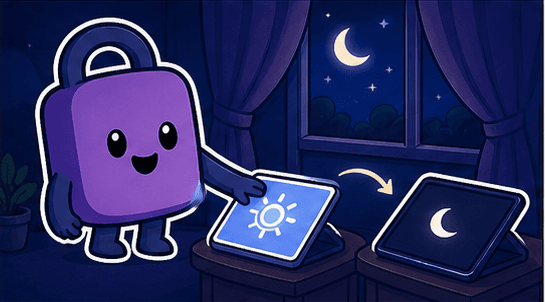
Have you ever struggled to fall asleep after scrolling through your phone late at night? Blue light has a significant impact on our sleep patterns. Let's explore what blue light is, how it disrupts sleep, and how you can manage its effects.
What is Blue Light?
Blue light is high-energy visible light (HEV) with wavelengths between 380-500nm in the visible light spectrum. It naturally comes from the sun and artificially from LED lights, smartphones, computers, TVs, and other digital devices.
Sunlight
The most powerful natural source of blue light.
Smartphones
The source we're exposed to at close range for extended periods.
Computer Monitors
Extended exposure during work and leisure time.
LED Lighting
Most modern lighting emits blue light.
How Blue Light Disrupts Sleep
Blue light directly affects our brain's biological clock. It suppresses the production of melatonin, the sleep hormone, making it harder to fall asleep.
Melatonin Suppression
Blue light can suppress melatonin production by up to 50%.
Circadian Rhythm Disruption
The brain thinks it's daytime and stays in alert mode.
Sleep Delay
Blue light exposure before bed delays sleep onset.
Reduced Sleep Quality
Harder to reach deep sleep stages.
What Research Says About Blue Light
Numerous scientific studies have proven the connection between blue light and sleep disturbances.
Harvard Study
6.5 hours of blue light exposure delayed melatonin by 3 hours
Sleep Medicine Journal
2 hours of smartphone use before bed reduces sleep efficiency by 22%
Adolescent Research
Teenagers with higher smartphone use have higher rates of sleep disorders
Workplace Survey
70% of night-shift computer workers experience sleep problems
Symptoms of Blue Light Overexposure
Excessive blue light exposure can manifest in various symptoms.
Difficulty Falling Asleep
Unable to fall asleep for more than 30 minutes after lying down.
Eye Fatigue
Dry, tired eyes often accompanied by headaches.
Daytime Drowsiness
Feeling sleepy during the day due to poor nighttime sleep.
Decreased Concentration
Reduced cognitive function due to sleep deprivation.
Mood Changes
Irritability, anxiety, and depression from lack of sleep.
Circadian Imbalance
Irregular sleep and wake times.
How to Block and Manage Blue Light
There are various ways to minimize the negative effects of blue light.
Device Settings
- •Use night mode or dark mode
- •Install blue light filter apps
- •Reduce screen brightness
- •Schedule automatic night mode
Lifestyle Changes
- •Stop using digital devices 2 hours before bed
- •Keep smartphones away from the bedroom
- •Use warm-toned lighting in the evening
- •Maintain a regular sleep schedule
Protective Products
- •Blue light blocking glasses
- •Monitor screen protectors
- •Blue light blocking screen films
- •Sleep-friendly lighting
Recommended Bedtime Routine
Create a bedtime routine for healthy sleep.
Stop caffeine intake
Stop using smartphones, computers, and digital devices
Read or stretch under warm lighting
Calm your mind with meditation or breathing exercises
Cases Requiring Special Attention
- •If you have chronic insomnia
- •If you work shifts with irregular sleep schedules
- •If you're a teenager or child
- •If you have existing eye conditions
- •If you have depression or anxiety disorders
Smart Device Use is the Start of Better Sleep
Blue light is unavoidable in modern life, but conscious effort can significantly reduce its impact. Limiting digital device use before bedtime is the most effective strategy.
Starting today, put down your smartphone 2 hours before bed and protect your eyes and brain from blue light. Healthy sleep is the beginning of a healthy life.
⚠️ Important Notice
This article is for informational purposes only and is not a substitute for professional medical advice, diagnosis, or treatment. If you suspect you have a sleep disorder or any health condition, please consult a doctor or sleep specialist.

Take the First Step to Better Sleep
Build healthy sleep habits with Good Night Lock.
Download Good Night LockRelated Articles
Why Is It So Hard to Wake Up in the Morning? Understanding Sleep Inertia
Do you find yourself hitting the snooze button multiple times every morning? Feel like you need an extra hour of sleep no matter how long you slept? You're experiencing sleep inertia - a fascinating phenomenon that affects millions of people worldwide.
Why Alcohol Disrupts Your Sleep (Even Though It Makes You Drowsy)
After a drink or two, you might feel relaxed and sleepy—perfect for bedtime, right? Not quite. While alcohol can make you drowsy initially, it actually sabotages your sleep quality in ways that leave you feeling tired the next day. Let's uncover the science behind alcohol's complex relationship with sleep.
The Napoleon Sleep Method: The Truth About 4-Hour Sleep
Have you heard the story about Napoleon, the great conqueror, who exercised powerful leadership while sleeping only 4 hours a day? Is this sleep method really effective? And did Napoleon actually use this method?
Why Do We Dream So Often? The Science Behind Frequent Dreams
Why do we have vivid dreams on some nights while remembering nothing on others? Let's explore the science of dreams to understand why we dream and how we can enjoy more restful nights.
The Science of Pulling an All-Nighter: How 24 Hours Without Sleep Affects Your Body and Brain
Cramming for an exam, racing against a project deadline, or staying up all night with friends—we've all been there. But what actually happens to your body and brain when you go a full 24 hours without sleep? Let's explore the science behind all-nighters and learn how to handle them when they're truly unavoidable.
Melatonin Side Effects: What to Know About 5mg & 10mg Doses
Melatonin is a natural hormone and popular sleep aid that helps millions get better rest. However, different dosages can come with various side effects. Let's explore how melatonin works, what side effects to watch for at different doses, and how to use it safely.