Effective Breathing Techniques for Sleep: From 4-7-8 to the Military Sleep Method
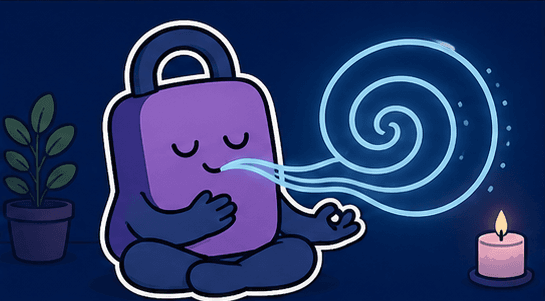
Lying in bed with a busy mind while sleep eludes you? Try breathing techniques instead of sleeping pills. Scientifically proven breathing methods activate the parasympathetic nervous system, quickly relaxing both body and mind. Here are breathing techniques you can start using tonight.
Create Your Bedtime Routine
Design a custom bedtime routine that includes breathing exercises.
Why Breathing Techniques Work for Sleep
Breathing is the only autonomic nervous system function we can consciously control. Slow, deep breathing activates the parasympathetic nervous system, lowering heart rate, reducing stress hormones, and relaxing muscles.
Parasympathetic Activation
Slow breathing stimulates the vagus nerve, activating 'rest and digest' mode.
Increased Heart Rate Variability
Regular breathing increases heart rate variability (HRV), improving stress resilience.
Carbon Dioxide Balance
Slow exhales stabilize blood CO2 levels, creating a calming effect.
Attention Redirection
Focusing on breath helps break the cycle of worries and racing thoughts.
Research shows that slow breathing (less than 6 breaths per minute) lowers blood pressure and reduces sleep latency—the time it takes to fall asleep.
4-7-8 Breathing: The Most Famous Sleep Breathing Technique
Developed by Dr. Andrew Weil, the 4-7-8 breathing technique is called 'a natural tranquilizer for the nervous system.'
How to Do 4-7-8 Breathing
Place the tip of your tongue against the ridge behind your upper front teeth and keep it there
Close your mouth and inhale quietly through your nose for 4 seconds
Hold your breath for 7 seconds
Exhale completely through your mouth making a 'whoosh' sound for 8 seconds
Repeat this cycle 4 times
Tips for Better Results
- The 4-7-8 seconds may feel long at first. You can shorten the time while maintaining the ratio (1:1.75:2).
- Practicing twice daily (morning and evening) helps the technique become effective faster.
- It takes at least 4 weeks of consistent practice to become automatic.
This technique works because holding your breath allows oxygen to fully saturate your bloodstream, while the long exhale strongly stimulates the parasympathetic nervous system. Many people report falling asleep within 1 minute after 2-3 weeks of practice.
Box Breathing (4-4-4-4)
This technique is used by Navy SEALs to stay calm in extremely stressful situations.
How to Do Box Breathing
Inhale slowly through your nose for 4 seconds
Hold your breath for 4 seconds
Exhale slowly for 4 seconds
Hold with empty lungs for 4 seconds
Repeat 4-6 times
Benefits of Box Breathing
Box breathing is 'equal ratio breathing' where all phases are the same length. This balanced pattern stabilizes the nervous system and prepares the body for sleep.
Military Sleep Method (2-Minute Sleep Technique)
Developed during World War II to reduce fatigue-related accidents among Navy pilots. After 6 weeks of training, 96% of pilots could fall asleep within 2 minutes.
Relax Your Face (about 10 seconds)
Relax all the muscles in your forehead, around your eyes, cheeks, and jaw. Let your tongue go limp.
Relax Shoulders and Arms (about 10 seconds)
Drop your shoulders as far as they'll go. Let one arm go completely limp, then the other.
Relax Chest and Legs (about 10 seconds)
Exhale deeply to relax your chest. Relax your legs from top to bottom.
Clear Your Mind (about 10 seconds)
Imagine one of these for 10 seconds: lying in a canoe on a calm lake, lying in a black velvet hammock in darkness, or repeat 'don't think' to yourself.
Breathing in the Military Sleep Method
Maintain slow, deep breathing throughout the entire process. Especially during step 3, exhale long and release all tension from your body.
This technique combines physical and mental relaxation. It may not work at first, but with consistent practice, you can fall asleep quickly in almost any environment.
Diaphragmatic Breathing (Belly Breathing)
The most fundamental yet powerful breathing technique. Babies breathe this way naturally, but many adults have forgotten how.
How to Do Diaphragmatic Breathing
Lie down comfortably with one hand on your chest and the other on your belly
Breathe in slowly through your nose, letting your belly rise like a balloon
Keep your chest as still as possible
Exhale slowly through your mouth or nose, letting your belly fall naturally
Repeat for 5-10 minutes
Common Mistakes
Diaphragmatic breathing is the foundation of all other breathing techniques. Master this first, and the effects of 4-7-8 or box breathing will be amplified.
Moon Breathing (Left Nostril Breathing)
Derived from yoga's 'Chandra Bhedana' pranayama, this technique involves breathing only through the left nostril.
How to Do Moon Breathing
Use your right thumb to close your right nostril
Inhale slowly through your left nostril only
Exhale slowly through your left nostril only
Repeat 5-10 times
Why the Left Nostril?
In yoga tradition, the left nostril is connected to 'lunar energy (Ida),' associated with calming, cooling, and rest. Modern research also shows that left nostril breathing more strongly stimulates the parasympathetic nervous system.
This is particularly effective on hot summer nights or when your mind feels especially heated. Conversely, right nostril breathing (Surya Bhedana) is used when you need energy.
Choosing the Right Breathing Technique
Holding your breath forces the brain to focus on breathing
The balanced rhythm stabilizes heart rate
Deep belly breathing releases physical tension
Has a cooling effect that lowers perceived temperature
It's the foundation for all other techniques
Maximizing the Effectiveness of Breathing Techniques
Consistency is Key
Practice at the same time every day. Your brain will learn 'this breathing = sleep time.'
Create a Comfortable Environment
Dim the lights, maintain a comfortable temperature, and remove distractions.
Combine with Other Techniques
Adding a warm bath, stretching, or meditation before breathing exercises amplifies the effect.
Lower Your Expectations
Thinking 'I must fall asleep in 1 minute' creates alertness. Just focus on the breath.
Be Patient
Most breathing techniques show results after 2-4 weeks of practice. Don't give up.
Frequently Asked Questions
Breathing exercises make me feel more awake
Initially, focusing on breathing can increase alertness. This is normal. After 1-2 weeks of practice, it becomes natural and effective. Don't force it—keep it relaxed.
I can't hold my breath for 7 seconds
Start with shorter times while maintaining the ratio (e.g., 2-3.5-4 seconds). With practice, your lung capacity will increase.
Which breathing technique is most effective?
It varies by person. Try different ones and find what works for you. The one that feels most comfortable is usually the most effective.
Can breathing techniques replace sleeping pills?
For mild insomnia, they can be quite effective. However, for chronic or severe sleep disorders, consult a healthcare professional. Breathing techniques can be used as a complementary approach.
Do apps or guided audio help?
They can be helpful when learning. However, ultimately it's best to practice until you can do it without external help.
Key Takeaways
- Breathing techniques naturally induce sleep by activating the parasympathetic nervous system
- 4-7-8 breathing is the most well-known sleep breathing method, showing results after 2-3 weeks of practice
- Box breathing (4-4-4-4) is particularly effective for anxiety relief
- The Military Sleep Method combines physical and mental relaxation, aiming for sleep within 2 minutes
- Diaphragmatic breathing is the foundation of all breathing techniques—master it first
- Consistent practice is the key to effectiveness. Practice at the same time every day
- It takes 2-4 weeks of consistent practice for the effects to become automatic
Conclusion: Start Tonight
Breathing techniques cost nothing, have no side effects, and can be done anytime, anywhere. These methods, used for thousands of years in yoga and meditation, are now validated by modern science.
Tonight when you lie in bed, focus on your breath instead of complex thoughts. It may feel awkward at first, but with consistency, you'll be able to drift into sleep through breathing alone. The best sleep aid is already within you.
⚠️ Important Notice
This article is for informational purposes only and is not a substitute for professional medical advice, diagnosis, or treatment. If you suspect you have a sleep disorder or any health condition, please consult a doctor or sleep specialist.

Take the First Step to Better Sleep
Build healthy sleep habits with Good Night Lock.
Download Good Night LockRelated Articles

Jellyfish Sleep Method: Let Your Body and Mind Float Like Water
Lying in bed but too tense to fall asleep? The Jellyfish Sleep Method is a relaxation technique that releases all body tension like a jellyfish floating on the ocean, helping you fall asleep naturally. No special tools needed—you can start tonight.
Cognitive Shuffling: The Scientific Method to Turn Racing Thoughts into Sleep
Does your mind fill with thoughts the moment you lie down? Cognitive Shuffling is a scientific technique that switches your brain from 'logical thinking mode' to 'sleep mode.' Developed by a Canadian cognitive scientist, this method replaces complex thoughts with random images to help you fall asleep naturally.