Why Can't I Sleep? Understanding Insomnia and Sleep Disorders
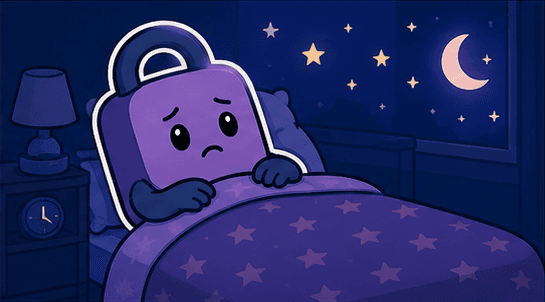
Lying in bed but can't fall asleep? Does trying harder to sleep only make you feel more awake? Learn about the causes and solutions to this common problem faced by many modern people.
Why Can't You Fall Asleep?
Difficulty falling asleep is caused by a combination of various factors. Physical, mental, and environmental factors all play a role.
Excessive Stress
Stress from work, school, and relationships keeps your brain in an alert state
Irregular Sleep Patterns
Going to bed and waking up at different times disrupts your circadian rhythm
Caffeine and Alcohol
Caffeine's stimulant effect lasts over 6 hours, and alcohol reduces sleep quality
Electronic Device Use
Using smartphones or tablets in bed suppresses melatonin production due to blue light
Sleep Environment
Bright lights, noise, and improper temperature can prevent you from falling asleep
Types of Insomnia
Insomnia is classified into several types based on symptoms. Identifying your symptoms is the first step to treatment.
Sleep Onset Insomnia
Unable to fall asleep within 30 minutes of going to bed
Sleep Maintenance Insomnia
Waking up multiple times during the night and difficulty falling back asleep
Early Morning Awakening
Waking up much earlier than desired and unable to fall back asleep
Non-restorative Sleep
Feeling tired and unrested despite getting enough sleep
Self-Assessment Checklist
If you experience 3 or more of the following symptoms for over a month, consider consulting a sleep specialist.
Takes Over 30 Minutes to Fall Asleep
Frequently unable to fall asleep within 30 minutes of lying down
Frequent Night Wakings
Waking up 2 or more times during the night with difficulty falling back asleep
Persistent Fatigue
Feeling tired upon waking and drowsy throughout the day
Difficulty Concentrating
Hard to focus on daily tasks due to sleep deprivation
Sleep Anxiety
Feeling anxious and worried as bedtime approaches
Methods You Can Start Tonight
Here are methods you can start right away to improve your sleep quality.
Regular Sleep Schedule
Go to bed and wake up at the same time, even on weekends, to stabilize your circadian rhythm
Create a Bedtime Routine
Dim the lights and engage in relaxing activities starting 1 hour before bed
Limit Caffeine Intake
Avoid caffeine after 2 PM
Improve Bedroom Environment
A dark, quiet, and cool environment is best for sleep
No Electronics
Avoid using smartphones in bed and keep them away except for alarms
Schedule Worry Time
Don't worry in bed; set aside time during the day for concerns
When Professional Help Is Needed
Consult a sleep specialist in the following cases.
Symptoms Last Over 3 Months
When insomnia symptoms continue for more than 3 months
Affects Daily Life
When sleep deprivation seriously impacts work or school
Accompanied by Depression
When insomnia is accompanied by worsening depression or anxiety
Sleep Medication Dependence
When you can no longer fall asleep without sleep medication
Good Sleep Can Be Cultivated
Having trouble falling asleep is something everyone experiences. However, chronic insomnia can significantly reduce your quality of life.
Start making small changes tonight. Organize your sleep environment and maintain a regular schedule, and you'll see gradual improvement. Don't hesitate to seek professional help if needed.
⚠️ Important Notice
This article is for informational purposes only and is not a substitute for professional medical advice, diagnosis, or treatment. If you suspect you have a sleep disorder or any health condition, please consult a doctor or sleep specialist.

Take the First Step to Better Sleep
Build healthy sleep habits with Good Night Lock.
Download Good Night LockRelated Articles
The Complete Guide to Insomnia: Causes, Symptoms, and Scientifically Proven Treatments
Do you find yourself staring at the ceiling every night, tossing and turning? Does it take you more than 30 minutes to fall asleep, or do you keep waking up in the early morning? Insomnia, experienced by 1 in 3 adults worldwide, isn't just about 'not being able to sleep.' Let's explore the scientific causes of insomnia through to evidence-based treatments.
Complete Guide to Narcolepsy: Symptoms, Causes, Diagnosis, and Treatment
Sudden overwhelming sleepiness, knees buckling while laughing... Narcolepsy isn't just 'being sleepy.' It's a neurological disorder caused by hypocretin deficiency. Learn everything about this condition that affects 1 in 2,000 people.
The Complete Guide to Snoring: Causes, Risks, and Solutions
Do you wake your partner every night with thunderous snoring? Or have you ever been startled awake by your own snoring? Snoring isn't just a noisy nuisance—it can be a signal of underlying health issues. About 40% of adults worldwide snore habitually, and some cases involve serious sleep apnea. Let's explore everything from the causes of snoring to effective treatments.
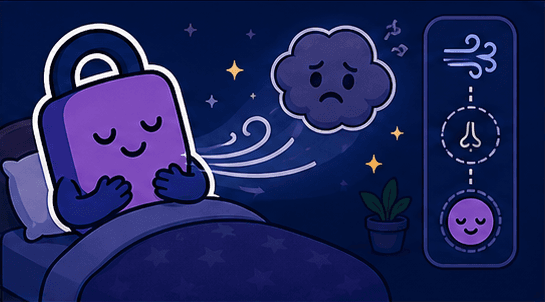
Orthosomnia: When Sleep Tracking Disrupts Your Sleep
Do you feel more anxious after checking your sleep score on your smartwatch? Has your pursuit of perfect sleep actually made it harder to sleep? This is 'Orthosomnia.' As sleep tracking devices become mainstream, we explore this modern sleep disorder that has emerged from our obsession with sleep data.
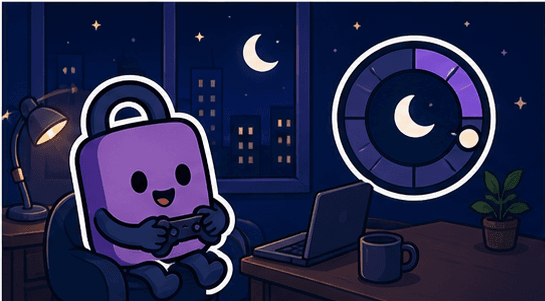
Awake Until Dawn? It Could Be Delayed Sleep Phase Syndrome (DSPS)
Do you try to fall asleep every night but can't until 2-3 AM, and then struggle terribly to wake up in the morning? If being a 'night owl' is seriously disrupting your daily life, you might have Delayed Sleep Phase Syndrome (DSPS).
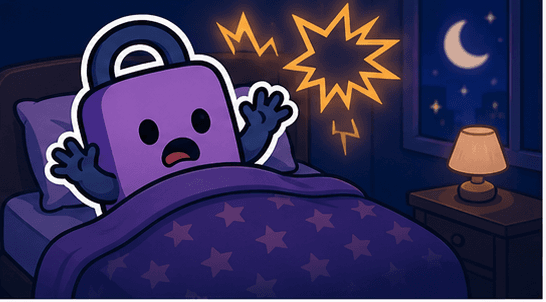
Exploding Head Syndrome: When Your Brain Goes Bang at Night
Have you ever been jolted awake by a loud bang, crash, or explosion in your head, only to find everything is completely silent? You're not alone. This strange phenomenon is called Exploding Head Syndrome, and while it sounds alarming, it's more common than you might think.