Neck Stiffness? The Benefits and Side Effects of Cervical Pillows
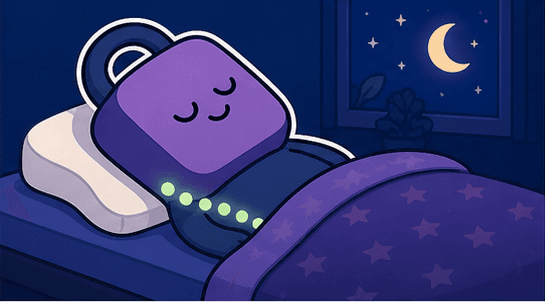
Do you wake up with neck stiffness or pain? A cervical pillow might be the solution you've been looking for. These specially designed pillows support the natural curve of your neck, but they're not for everyone. Let's explore the science behind cervical pillows and help you decide if one is right for you.
What Is a Cervical Pillow?
A cervical pillow, also known as an orthopedic or contour pillow, is designed to maintain proper alignment of your head, neck, and spine while you sleep. Unlike regular pillows, they have a curved design that cradles your neck.
Contoured Shape
Features raised edges and a depression in the center to support the natural cervical curve
Firm Support
Made from memory foam or latex to provide consistent support throughout the night
Height Options
Available in different heights to accommodate various sleeping positions and body types
Ergonomic Design
Engineered to reduce pressure points and maintain neutral spine alignment
Benefits of Cervical Pillows
When used correctly, cervical pillows can offer significant benefits for sleep quality and neck health.
Reduced Neck Pain
Proper support can decrease morning stiffness and chronic neck discomfort
Better Spinal Alignment
Maintains the natural curve of your cervical spine throughout sleep
Improved Sleep Quality
Less tossing and turning as your body finds a comfortable, supported position
Fewer Headaches
Proper neck alignment can reduce tension headaches caused by poor sleeping posture
Reduced Snoring
Better head positioning can help keep airways open and reduce snoring
Potential Side Effects
While cervical pillows help many people, they can cause discomfort for others. Here are potential side effects to be aware of.
Initial Discomfort
Your neck muscles may need 1-2 weeks to adjust to the new support
Wrong Height Issues
A pillow that's too high or low can worsen neck pain rather than relieve it
Heat Retention
Memory foam pillows can trap heat, causing discomfort for hot sleepers
Limited Positions
May not be comfortable for stomach sleepers or those who move frequently
Allergic Reactions
Some people may react to memory foam materials or pillow covers
Who Should Use a Cervical Pillow?
Cervical pillows are particularly beneficial for certain groups of people based on their sleep habits and health conditions.
Chronic Neck Pain Sufferers
Those who regularly wake up with neck stiffness or pain
Back Sleepers
The contoured design works best for those who sleep on their back
Side Sleepers
Higher edge support can fill the gap between shoulder and head
Office Workers
Those who sit at desks all day and experience neck tension
Post-Injury Recovery
Can support healing after whiplash or other neck injuries
Who Should Avoid Cervical Pillows?
Cervical pillows aren't suitable for everyone. Consider avoiding them if you fall into these categories.
Stomach Sleepers
The raised edges can cause excessive neck rotation and strain
Restless Sleepers
Those who change positions frequently may find the contours restrictive
Certain Medical Conditions
Some spinal conditions may require different support - consult your doctor
Children
Young children's developing spines need different support than adults
How to Choose the Right Cervical Pillow
Selecting the right cervical pillow depends on several factors. Here's what to consider.
Measure Your Neck
The pillow height should match the distance from your ear to your shoulder
Consider Your Sleep Position
Back sleepers need lower pillows; side sleepers need higher support
Check the Material
Memory foam offers contouring; latex provides more bounce and cooling
Try Before Buying
Look for pillows with trial periods to ensure comfort
Read Reviews
Look for feedback from people with similar sleep positions and concerns
Tips for Adjusting to Your New Pillow
Give yourself time to adjust to a cervical pillow. Here's how to make the transition smoother.
Start Gradually
Use it for a few hours initially, then increase time over 1-2 weeks
Be Patient
Your muscles may feel different at first - this is normal adjustment
Check Your Mattress
A supportive mattress works together with your pillow for best results
Maintain Good Posture
Daytime posture affects nighttime comfort - sit and stand straight
Making the Right Choice for Your Neck
Cervical pillows can be transformative for people with neck pain, but they're not a universal solution. The key is understanding your sleep position, measuring your needs correctly, and giving yourself time to adjust.
If you're experiencing chronic neck pain that doesn't improve with a cervical pillow, consult a healthcare professional. Sometimes neck issues require physical therapy or other treatments beyond pillow changes.
⚠️ Important Notice
This article is for informational purposes only and is not a substitute for professional medical advice, diagnosis, or treatment. If you suspect you have a sleep disorder or any health condition, please consult a doctor or sleep specialist.

Take the First Step to Better Sleep
Build healthy sleep habits with Good Night Lock.
Download Good Night LockRelated Articles
Complete Guide to Sleep Apnea: Symptoms, Causes, Diagnosis, and Treatment
Do you sleep enough at night but still feel tired in the morning? Does your partner complain about your loud snoring? Have you ever woken up gasping for air? These symptoms could be signs of 'sleep apnea.' Let's learn about this common yet dangerous sleep disorder that affects approximately 20% of adults.
Complete Guide to REM Sleep Behavior Disorder: Why You Scream or Kick While Sleeping
Has your partner ever suddenly screamed, swung their fists, or jumped out of bed while sleeping? Or have you woken up from a vivid nightmare to find yourself hitting a wall? This could be 'REM Sleep Behavior Disorder (RBD)'. Let's explore this unusual sleep disorder.
Complete GABA Guide: Effects on Sleep and Proper Intake
Have you searched for GABA supplements because you can't sleep? 'Natural sedative', 'stress relief', 'sleep improvement'... The ads are flashy, but do they really work? Let's explore GABA's impact on sleep and the scientific evidence.

Complete Guide to Ecklonia Cava Benefits: Effects on Sleep and Scientific Evidence
Have you heard about 'Ecklonia cava extract' gaining attention as a sleep supplement? Can this brown seaweed growing along Korean and Japanese coasts really help with sleep? Let's explore the sleep benefits of Ecklonia cava extract with scientific research.
Sleep and Disc Health: Why Poor Sleep Causes Back Pain
Do you wake up with a stiff or aching back? Learn how your sleep position and mattress affect spinal health, and discover the right sleeping methods for those with disc problems.
Why Your Back Hurts When You Wake Up: Causes and Solutions
Waking up with a stiff, aching back is something many of us experience. Why does back pain occur even after a full night's sleep? In this article, we explore the causes of morning back pain and effective solutions to fix it.