Morning Person vs Night Owl: Why Your Miracle Morning Might Be Doomed by Your Genes
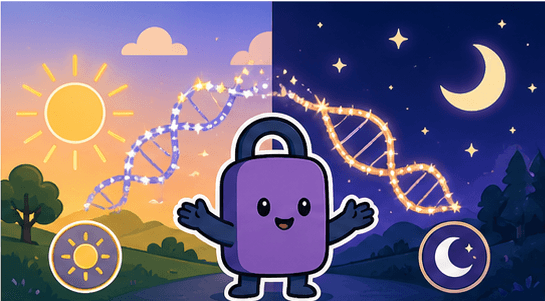
Ever wondered why your friend thrives on a 5 AM wake-up while you feel like death until noon? The answer might be written in your DNA. Welcome to the fascinating world of chronotypes and genetics.
What Are Chronotypes?
Your chronotype is your body's natural preference for when to be awake and asleep. It's not about discipline or willpower—it's biology. Scientists have identified several chronotypes, with the most common being:
Morning Larks (Early Chronotype)
Wake naturally before 6 AM, peak productivity in morning hours, struggle to stay awake past 10 PM
Night Owls (Late Chronotype)
Feel energized in evening, peak creativity after sunset, struggle with early mornings
Intermediate Types
Most people fall somewhere in between, with flexible sleep-wake patterns
Research shows that about 40% of your chronotype is determined by genetics. The rest is influenced by age, environment, and lifestyle.
The Genetics Behind Your Sleep Schedule
Scientists have identified specific genes that influence your chronotype. The most well-studied is the PER3 gene, which comes in two variants:
Key Finding:
People with the longer variant of PER3 tend to be morning types, while those with the shorter variant lean toward evening preference.
Other genes involved include CLOCK, CRY1, and BMAL1. These genes regulate your circadian rhythm—the internal 24-hour clock that controls sleep-wake cycles, hormone release, and body temperature.
A groundbreaking 2019 study analyzed DNA from 697,828 people and identified 351 genetic factors associated with being a morning or evening person. That's right—hundreds of genes influence when you naturally want to sleep.
Why Miracle Morning Fails for Night Owls
The Miracle Morning concept popularized the idea that waking at 5 AM guarantees success. But forcing a night owl to wake early isn't just difficult—it can be harmful.
Chronic Sleep Deprivation
Night owls forced into early schedules often lose 1-2 hours of sleep daily, accumulating massive sleep debt
Decreased Performance
Studies show night owls perform worse on morning tasks when sleep-deprived, despite trying their hardest
Health Consequences
Chronic misalignment with your chronotype increases risks for depression, obesity, and cardiovascular issues
A 2019 study in the journal Sleep found that night owls living on early schedules showed impaired brain connectivity and slower reaction times—even after 10 hours of sleep.
Working With Your Chronotype Instead of Against It
Identify Your Natural Rhythm
Track when you naturally wake on vacation without alarms. This reveals your true chronotype.
Optimize Your Schedule
If possible, schedule important tasks during your peak hours—mornings for larks, evenings for owls.
Gradual Adjustments Only
Can't change jobs? Shift your schedule by 15-30 minutes every few days, not hours at once.
Use Light Strategically
Morning light exposure shifts your clock earlier; evening light exposure shifts it later.
Accept Your Biology
Stop comparing yourself to early risers. Night owls are equally productive—just at different times.
The Truth About Changing Your Chronotype
Can you change from a night owl to a morning person? The answer is complicated: you can shift your schedule somewhat, but you can't fundamentally change your genetic chronotype.
Studies show you can adjust your natural wake time by about 1-2 hours through consistent light exposure, meal timing, and sleep hygiene. But trying to make a 11 PM sleeper into a 10 PM sleeper is much more realistic than forcing them to bed at 9 PM.
The good news? Society is slowly recognizing chronotype diversity. Some progressive companies now offer flexible schedules that accommodate different biological rhythms.
The Bottom Line
Your chronotype isn't a character flaw or lack of discipline—it's biology. The productivity cult that glorifies 5 AM wake-ups ignores decades of sleep science showing that genetic night owls exist and thrive when allowed to follow their natural rhythms.
Instead of forcing yourself into someone else's schedule, honor your biology. Work with your genes, not against them. Your best morning might actually be someone else's afternoon—and that's perfectly okay.
⚠️ Important Notice
This article is for informational purposes only and is not a substitute for professional medical advice, diagnosis, or treatment. If you suspect you have a sleep disorder or any health condition, please consult a doctor or sleep specialist.

Take the First Step to Better Sleep
Build healthy sleep habits with Good Night Lock.
Download Good Night LockRelated Articles
Why Is It So Hard to Wake Up in the Morning? Understanding Sleep Inertia
Do you find yourself hitting the snooze button multiple times every morning? Feel like you need an extra hour of sleep no matter how long you slept? You're experiencing sleep inertia - a fascinating phenomenon that affects millions of people worldwide.
Why Alcohol Disrupts Your Sleep (Even Though It Makes You Drowsy)
After a drink or two, you might feel relaxed and sleepy—perfect for bedtime, right? Not quite. While alcohol can make you drowsy initially, it actually sabotages your sleep quality in ways that leave you feeling tired the next day. Let's uncover the science behind alcohol's complex relationship with sleep.
The Napoleon Sleep Method: The Truth About 4-Hour Sleep
Have you heard the story about Napoleon, the great conqueror, who exercised powerful leadership while sleeping only 4 hours a day? Is this sleep method really effective? And did Napoleon actually use this method?
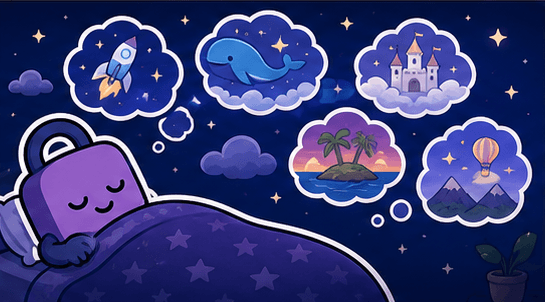
Why Do We Dream So Often? The Science Behind Frequent Dreams
Why do we have vivid dreams on some nights while remembering nothing on others? Let's explore the science of dreams to understand why we dream and how we can enjoy more restful nights.
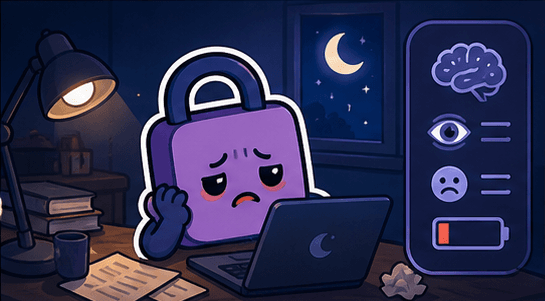
The Science of Pulling an All-Nighter: How 24 Hours Without Sleep Affects Your Body and Brain
Cramming for an exam, racing against a project deadline, or staying up all night with friends—we've all been there. But what actually happens to your body and brain when you go a full 24 hours without sleep? Let's explore the science behind all-nighters and learn how to handle them when they're truly unavoidable.
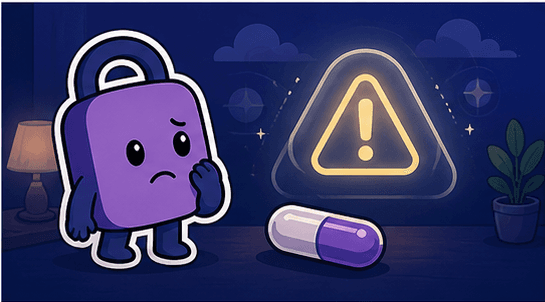
Melatonin Side Effects: What to Know About 5mg & 10mg Doses
Melatonin is a natural hormone and popular sleep aid that helps millions get better rest. However, different dosages can come with various side effects. Let's explore how melatonin works, what side effects to watch for at different doses, and how to use it safely.