The Churchill Sleep Method: The War Hero's Biphasic Sleep Secret
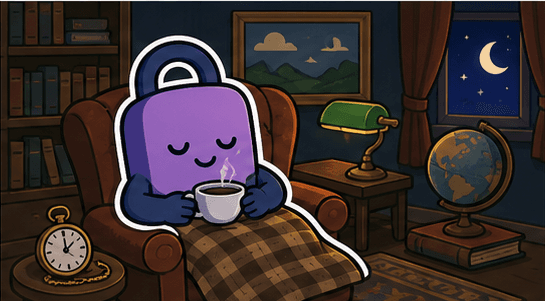
Winston Churchill maintained his daily afternoon nap even during World War II. What was the sleep philosophy of a man who changed into pajamas and slept for 1-2 hours in bed during moments that determined Britain's fate? Discover the secret of Churchill, who lived actively until age 80 using 'biphasic sleep' - 5-6 hours at night and 1-2 hours in the afternoon.
What is Churchill's Biphasic Sleep?
Biphasic sleep is a sleep pattern divided into two periods per day. Churchill maintained this method throughout his life: 5-6 hours of main sleep at night and 1-2 hours of nap in the afternoon.
Churchill claimed this sleep method allowed him to work more than 18 hours a day. He emphasized the importance of napping, calling it 'the way to turn one day into two.'
Why He Insisted on Napping During War
Even during the darkest periods of World War II, Churchill never gave up his afternoon nap. He said, 'A nap allows me to use one day as if it were two.'
Churchill's Nap Philosophy: Sleep Properly
Churchill did not consider 'dozing on the sofa' as a real nap. He insisted on completely undressing, getting into bed, and sleeping properly under the covers.
Scientific Basis of Biphasic Sleep
Modern sleep science proves Churchill's intuition was correct. There is a natural period of drowsiness in the human circadian rhythm around 2-4 PM.
Applying Biphasic Sleep for Modern People
If sleeping 1-2 hours in the afternoon like Churchill is difficult, you can try a modified modern approach.
Precautions for Biphasic Sleep
Consider the following before trying biphasic sleep.
Conclusion: The Sleep Method That Turns One Day Into Two
Churchill remained vigorously active past 80 years old using biphasic sleep. This sleep method was the secret to maintaining clear judgment during the toughest periods of World War II.
Modern people can also double their day by taking strategic naps instead of fighting the natural afternoon drowsiness. In Churchill's wisdom: 'Don't fight nature, use it.'
The hero who led the war to victory had a surprisingly simple secret: take a nap, and do it properly.
⚠️ Important Notice
This article is for informational purposes only and is not a substitute for professional medical advice, diagnosis, or treatment. If you suspect you have a sleep disorder or any health condition, please consult a doctor or sleep specialist.

Take the First Step to Better Sleep
Build healthy sleep habits with Good Night Lock.
Download Good Night LockRelated Articles
Why Is It So Hard to Wake Up in the Morning? Understanding Sleep Inertia
Do you find yourself hitting the snooze button multiple times every morning? Feel like you need an extra hour of sleep no matter how long you slept? You're experiencing sleep inertia - a fascinating phenomenon that affects millions of people worldwide.
Why Alcohol Disrupts Your Sleep (Even Though It Makes You Drowsy)
After a drink or two, you might feel relaxed and sleepy—perfect for bedtime, right? Not quite. While alcohol can make you drowsy initially, it actually sabotages your sleep quality in ways that leave you feeling tired the next day. Let's uncover the science behind alcohol's complex relationship with sleep.
The Napoleon Sleep Method: The Truth About 4-Hour Sleep
Have you heard the story about Napoleon, the great conqueror, who exercised powerful leadership while sleeping only 4 hours a day? Is this sleep method really effective? And did Napoleon actually use this method?
Why Do We Dream So Often? The Science Behind Frequent Dreams
Why do we have vivid dreams on some nights while remembering nothing on others? Let's explore the science of dreams to understand why we dream and how we can enjoy more restful nights.
The Science of Pulling an All-Nighter: How 24 Hours Without Sleep Affects Your Body and Brain
Cramming for an exam, racing against a project deadline, or staying up all night with friends—we've all been there. But what actually happens to your body and brain when you go a full 24 hours without sleep? Let's explore the science behind all-nighters and learn how to handle them when they're truly unavoidable.
Melatonin Side Effects: What to Know About 5mg & 10mg Doses
Melatonin is a natural hormone and popular sleep aid that helps millions get better rest. However, different dosages can come with various side effects. Let's explore how melatonin works, what side effects to watch for at different doses, and how to use it safely.