Coffee Nap: The Science of Caffeine-Powered Napping
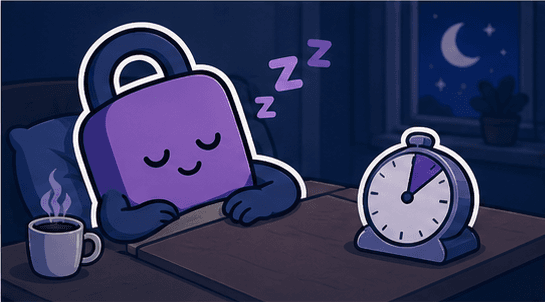
It sounds counterintuitive: drink coffee right before a nap? Yet this paradoxical technique—called a 'coffee nap' or 'caffeine nap'—is backed by solid science and might be the secret weapon for afternoon alertness. Let's explore why consuming caffeine immediately before sleeping for 15-20 minutes can leave you more refreshed than either coffee or napping alone.
What Is a Coffee Nap?
A coffee nap is exactly what it sounds like: you drink a cup of coffee (or other caffeinated beverage) and then immediately take a short nap of 15-20 minutes. When you wake up, the caffeine kicks in just as you're coming out of sleep, resulting in enhanced alertness and cognitive performance.
This technique has been studied since the 1990s and consistently shows superior results compared to either coffee or napping alone.
The Perfect Timing:
Caffeine takes approximately 20 minutes to enter your bloodstream and reach your brain. This aligns perfectly with the ideal power nap duration of 15-20 minutes.
The Science Behind Coffee Naps
Why does this combination work so well? It comes down to adenosine, the neurochemical that makes you feel sleepy.
How It Works
Adenosine Buildup
Throughout the day, adenosine accumulates in your brain, binding to receptors and making you feel increasingly tired
Sleep Clears Adenosine
Even a short nap naturally reduces adenosine levels, decreasing sleepiness
Caffeine Blocks Receptors
Caffeine works by blocking adenosine receptors, preventing remaining adenosine from making you feel tired
Synergistic Effect
By the time you wake from your nap, adenosine is naturally reduced AND caffeine is blocking the receptors—double the alertness boost
The Research: Does It Really Work?
Multiple scientific studies have demonstrated the effectiveness of coffee naps, showing improvements in alertness, cognitive performance, and even driving safety.
A groundbreaking 1997 study published in Psychophysiology compared the effects of coffee, napping, and coffee naps on alertness and cognitive performance. The coffee nap group significantly outperformed both other groups.
Driving Performance Study (Horne & Reyner, 1996)
Coffee naps reduced driving errors in simulated driving tasks more effectively than coffee alone or napping alone
Memory Performance Study (Mednick et al., 2008)
Participants who took coffee naps showed improved memory recall and alertness compared to control groups
Workplace Performance Study (Japanese Research, 2003)
Coffee naps improved both subjective sleepiness and objective performance on cognitive tasks for shift workers
How to Take the Perfect Coffee Nap
Getting the most from a coffee nap requires precise timing and technique.
Choose Your Caffeine
A standard cup of coffee (100-200mg caffeine) or espresso works best. Cold coffee is faster to drink. Avoid sugary drinks that might delay gastric emptying.
Drink It Quickly
Consume your caffeinated beverage within 5 minutes to ensure timing aligns properly
Find a Comfortable Spot
A quiet, slightly dark place where you won't be disturbed. You don't need to fall into deep sleep—light rest is fine.
Set an Alarm for 20 Minutes
Critical: Don't exceed 20 minutes or you'll enter deep sleep and wake up groggy (sleep inertia)
Don't Worry About Falling Asleep
Even quiet rest with eyes closed provides benefits. The key is giving caffeine time to absorb.
Wake and Move
Upon waking, get up immediately and expose yourself to bright light if possible to maximize alertness
When to Use Coffee Naps (and When Not To)
Coffee naps work best in specific situations.
Ideal Times for Coffee Naps
- ✓Early afternoon (1-3 PM) when circadian dip occurs
- ✓Before a long drive when you're feeling drowsy
- ✓During shift work to combat fatigue
- ✓When you have an important task requiring peak alertness
- ✓After lunch when post-meal sleepiness hits
Avoid Coffee Naps
- ✗After 3 PM (interferes with nighttime sleep)
- ✗If you're already caffeinated
- ✗If you're caffeine-sensitive or anxious
- ✗When you have time for a full 90-minute sleep cycle
- ✗If you have insomnia or sleep disorders
Coffee Nap vs Regular Nap vs Coffee Alone
Let's compare the three options based on scientific evidence.
Coffee Nap
Regular Nap (No Caffeine)
Coffee Alone (No Nap)
The Power of Strategic Rest
The coffee nap exemplifies how understanding sleep science can lead to simple yet powerful optimizations. By working with your body's natural chemistry—adenosine and caffeine—rather than fighting it, you can achieve alertness levels that neither coffee nor napping alone can provide.
While it's not a substitute for adequate nighttime sleep, the coffee nap is an excellent tool for those moments when you need peak performance during the day. The science is clear: this counterintuitive technique delivers real, measurable benefits.
Next time you're facing an afternoon slump or a long drive, try a coffee nap. You might be surprised how much better you feel compared to your usual approach.
⚠️ Important Notice
This article is for informational purposes only and is not a substitute for professional medical advice, diagnosis, or treatment. If you suspect you have a sleep disorder or any health condition, please consult a doctor or sleep specialist.

Take the First Step to Better Sleep
Build healthy sleep habits with Good Night Lock.
Download Good Night Lock