How to Get Deep Sleep: Complete Guide to Slow Wave Sleep
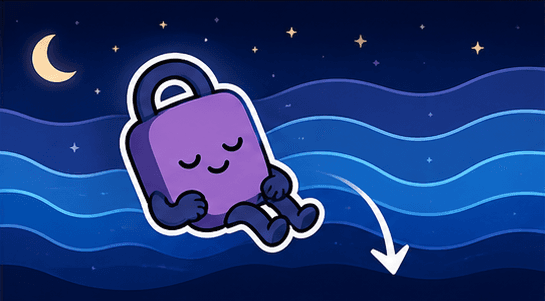
Deep sleep is an essential sleep stage for physical recovery and memory consolidation. However, over 60% of modern adults don't get enough deep sleep. Learn about the science of deep sleep and how to increase it.
What Is Deep Sleep?
Deep sleep (Slow Wave Sleep, SWS) is Stage 3 of NREM sleep, when brain waves are at their slowest. During this stage, delta waves (0.5-4Hz) predominate, and it's difficult to wake up.
It accounts for about 15-25% of total sleep time and mostly occurs intensively in the first few hours after falling asleep.
Key Information
Adults need 1-2 hours of deep sleep within 7-9 hours of sleep per day. The amount of deep sleep naturally decreases with age.
Why Deep Sleep Matters
Physical Recovery
Muscle tissue repairs, and growth hormone is released, promoting active cell regeneration.
Immune Function Enhancement
The immune system strengthens, increasing resistance to diseases.
Memory Consolidation
Information learned during the day is converted into long-term memory.
Brain Cleansing
The glymphatic system activates to remove waste products accumulated in the brain.
Energy Restoration
Glucose metabolism is optimized, recharging energy for the next day.
Signs of Deep Sleep Deprivation
If these symptoms persist, you may not be getting enough deep sleep.
- Not feeling refreshed no matter how much you sleep
- Extreme fatigue during the day
- Decreased concentration and memory
- Frequent colds or illnesses
- Slow recovery after exercise
- Increased mood swings
How to Increase Deep Sleep
Maintain a Regular Sleep Schedule
Go to bed and wake up at the same time every day. Consistent sleep patterns improve deep sleep quality.
Exercise Regularly
Regular aerobic exercise increases deep sleep. However, avoid vigorous exercise 3-4 hours before bedtime.
Control Bedroom Temperature
Keep your bedroom temperature at 18-20°C (64-68°F). A cool environment promotes deep sleep.
Limit Alcohol and Caffeine
Alcohol disrupts deep sleep. Avoid caffeine after 2 PM.
Block Blue Light
Reduce smartphone and computer use 2 hours before bed. Blue light suppresses melatonin production.
Practice Relaxation Techniques
Relieve stress through meditation, deep breathing, and progressive muscle relaxation to induce deep sleep.
Measuring Deep Sleep
Accurate deep sleep measurement is possible through polysomnography (PSG). This test comprehensively analyzes brain waves, heart rate, breathing, and more.
Smartwatches and sleep trackers can be used for reference, but they are less accurate than medical devices.
Understanding Sleep Cycles
You go through 4-6 sleep cycles per night. Each cycle is about 90 minutes, with more deep sleep occurring in the first half of the night.
Deep Sleep Changes with Age
The amount of deep sleep naturally changes with age.
Infants
About 50% of total sleep is deep sleep
Teenagers
About 20-25% of total sleep
Adults (30s-40s)
About 15-20% of total sleep
Elderly (60+)
About 5-10% of total sleep
Conclusion
Deep sleep is essential for a healthy life. It provides various benefits including physical recovery, immune enhancement, and memory improvement.
By practicing the methods introduced above, you can improve both the quality and quantity of your deep sleep. Start your journey to deeper sleep tonight.
⚠️ Important Notice
This article is for informational purposes only and is not a substitute for professional medical advice, diagnosis, or treatment. If you suspect you have a sleep disorder or any health condition, please consult a doctor or sleep specialist.

Take the First Step to Better Sleep
Build healthy sleep habits with Good Night Lock.
Download Good Night LockRelated Articles
Why Is It So Hard to Wake Up in the Morning? Understanding Sleep Inertia
Do you find yourself hitting the snooze button multiple times every morning? Feel like you need an extra hour of sleep no matter how long you slept? You're experiencing sleep inertia - a fascinating phenomenon that affects millions of people worldwide.
Why Alcohol Disrupts Your Sleep (Even Though It Makes You Drowsy)
After a drink or two, you might feel relaxed and sleepy—perfect for bedtime, right? Not quite. While alcohol can make you drowsy initially, it actually sabotages your sleep quality in ways that leave you feeling tired the next day. Let's uncover the science behind alcohol's complex relationship with sleep.
The Napoleon Sleep Method: The Truth About 4-Hour Sleep
Have you heard the story about Napoleon, the great conqueror, who exercised powerful leadership while sleeping only 4 hours a day? Is this sleep method really effective? And did Napoleon actually use this method?
Why Do We Dream So Often? The Science Behind Frequent Dreams
Why do we have vivid dreams on some nights while remembering nothing on others? Let's explore the science of dreams to understand why we dream and how we can enjoy more restful nights.
The Science of Pulling an All-Nighter: How 24 Hours Without Sleep Affects Your Body and Brain
Cramming for an exam, racing against a project deadline, or staying up all night with friends—we've all been there. But what actually happens to your body and brain when you go a full 24 hours without sleep? Let's explore the science behind all-nighters and learn how to handle them when they're truly unavoidable.
Melatonin Side Effects: What to Know About 5mg & 10mg Doses
Melatonin is a natural hormone and popular sleep aid that helps millions get better rest. However, different dosages can come with various side effects. Let's explore how melatonin works, what side effects to watch for at different doses, and how to use it safely.