How to Remember Your Dreams: Science-Backed Techniques for Vivid Dream Recall
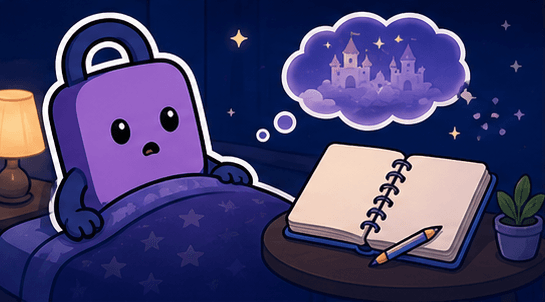
Ever feel like you had a dream but can't remember it? On average, people have 4-6 dreams per night, but forget most of them. Remembering your dreams can help with self-understanding and boost creativity. Learn scientifically proven techniques to improve dream recall.
Why Do We Forget Dreams?
Forgetting dreams is a natural phenomenon related to how our brains work.
Low Norepinephrine
During REM sleep when we dream, norepinephrine levels needed for memory formation are low.
Reduced Hippocampus Activity
The hippocampus, responsible for long-term memory, shows decreased activity during sleep.
Abrupt Awakening
Waking up suddenly to an alarm disrupts dream memory consolidation.
Lack of Attention
If we don't pay attention to our dreams, they don't get stored in memory.
How to Keep a Dream Journal
A dream journal is the most effective method for improving dream recall.
Keep It by Your Bed
Place a notebook and pen next to your bed. A smartphone notes app works too.
Record Immediately
Try to recall your dream before moving after waking. You'll forget 50% within 5 minutes.
Start with Keywords
Even if you can't remember everything, jot down emotions, colors, and people first.
Add Details
Expand on the keywords with as much detail as possible.
Review Regularly
Reading your dream journal regularly helps you discover patterns.
Science-Backed Techniques
Research-proven methods to enhance dream recall.
Set an Intention
Before sleep, repeat 'I will remember my dreams tonight.' Studies show this doubles dream recall rates.
Wake Naturally
Waking without an alarm increases the chance of waking directly from REM sleep, improving dream memory.
WBTB Technique
Wake Back To Bed: Wake after 5 hours, stay awake for 20 minutes, then go back to sleep for more vivid dreams.
MILD Technique
Mnemonic Induction of Lucid Dreams: While falling back asleep, repeat 'I will realize I'm dreaming in my next dream.'
Improving Sleep Habits
Good sleep habits also help with dream recall.
Get Enough Sleep
Sleeping 7-9 hours allows for longer REM periods and more dreams.
Consistent Sleep Schedule
Going to bed and waking at the same time stabilizes sleep cycles, improving dream memory.
Avoid Alcohol
Alcohol suppresses REM sleep, resulting in fewer dreams.
Manage Stress
Stress reduces sleep quality and interferes with dream recall.
Benefits of Dream Recall
Positive effects of remembering your dreams.
Better Self-Understanding
Dreams reflect our subconscious. Dream analysis helps you understand yourself better.
Increased Creativity
Many artists and scientists found inspiration in dreams. Paul McCartney's 'Yesterday' came from a dream.
Problem Solving
Sometimes we find solutions to unsolved problems in our dreams.
Emotional Processing
Dreams are the brain's way of processing emotions. Remembering dreams supports emotional health.
Try Tonight
- •Say 'I will remember my dreams tonight' 3 times before sleep
- •Keep a notebook ready by your bed
- •Set your alarm a bit later than your natural wake time
- •Don't move right away when you wake - try to recall your dream first
- •Don't give up if memories are faint at first. With practice, they become clearer
Cautions
- ⚠If you have frequent nightmares, enhancing dream recall may increase anxiety
- ⚠WBTB technique may disrupt sleep for those with sleep disorders
- ⚠Obsessing over dream journaling can decrease sleep quality
- ⚠Not all dreams have meaning. Avoid over-interpretation
- ⚠Consult a professional if you have mental health concerns before trying these techniques
Conclusion: Dreams Can Be Remembered with Practice
Forgetting dreams is normal, but conscious effort can significantly improve dream recall ability. Dream journaling and intention setting are the most effective methods.
It's okay if you only remember faint fragments at first. With consistent practice, you'll remember more vivid and detailed dreams. Start tonight.
⚠️ Important Notice
This article is for informational purposes only and is not a substitute for professional medical advice, diagnosis, or treatment. If you suspect you have a sleep disorder or any health condition, please consult a doctor or sleep specialist.

Take the First Step to Better Sleep
Build healthy sleep habits with Good Night Lock.
Download Good Night LockRelated Articles
Why Is It So Hard to Wake Up in the Morning? Understanding Sleep Inertia
Do you find yourself hitting the snooze button multiple times every morning? Feel like you need an extra hour of sleep no matter how long you slept? You're experiencing sleep inertia - a fascinating phenomenon that affects millions of people worldwide.
Why Alcohol Disrupts Your Sleep (Even Though It Makes You Drowsy)
After a drink or two, you might feel relaxed and sleepy—perfect for bedtime, right? Not quite. While alcohol can make you drowsy initially, it actually sabotages your sleep quality in ways that leave you feeling tired the next day. Let's uncover the science behind alcohol's complex relationship with sleep.
The Napoleon Sleep Method: The Truth About 4-Hour Sleep
Have you heard the story about Napoleon, the great conqueror, who exercised powerful leadership while sleeping only 4 hours a day? Is this sleep method really effective? And did Napoleon actually use this method?

Why Do We Dream So Often? The Science Behind Frequent Dreams
Why do we have vivid dreams on some nights while remembering nothing on others? Let's explore the science of dreams to understand why we dream and how we can enjoy more restful nights.
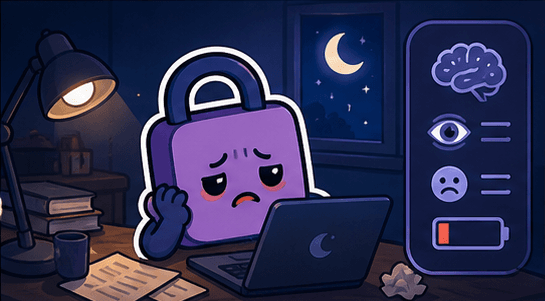
The Science of Pulling an All-Nighter: How 24 Hours Without Sleep Affects Your Body and Brain
Cramming for an exam, racing against a project deadline, or staying up all night with friends—we've all been there. But what actually happens to your body and brain when you go a full 24 hours without sleep? Let's explore the science behind all-nighters and learn how to handle them when they're truly unavoidable.
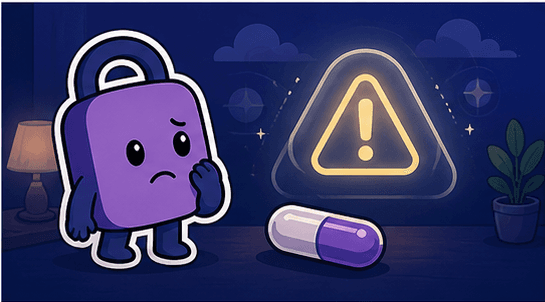
Melatonin Side Effects: What to Know About 5mg & 10mg Doses
Melatonin is a natural hormone and popular sleep aid that helps millions get better rest. However, different dosages can come with various side effects. Let's explore how melatonin works, what side effects to watch for at different doses, and how to use it safely.