Dust Mites in Your Bedding? Allergy Symptoms and Proper Washing Methods

Did you know that dust mites hiding in your bedding could be affecting your sleep quality? These invisible creatures can trigger allergic reactions, causing nasal congestion, sneezing, and itching that disrupt your rest. Learn about dust mites and discover effective management strategies.
What Are Dust Mites?
Dust mites are microscopic arthropods measuring 0.1-0.5mm that thrive in warm, humid environments. They primarily live in bedding, carpets, and upholstered furniture, feeding on human skin flakes. A single bed can harbor tens of thousands of these creatures.
Size
0.1-0.5mm, invisible to the naked eye
Habitat Conditions
Prefer warm, humid environments with temperatures of 20-30°C and humidity of 60-80%
Diet
Feed primarily on dead skin cells shed by humans and pets
Common Locations
Bedding, pillows, mattresses, carpets, and stuffed toys
Reproduction
A single mite lives 2-3 months and lays 200-300 eggs
Dust Mite Allergy Symptoms
Proteins found in dust mite feces and dead bodies trigger allergic reactions. Symptoms often worsen at night, directly impacting sleep quality.
Nasal Symptoms
Frequent nasal congestion, runny nose, and sneezing, especially severe in the morning
Eye Symptoms
Itchy, red, watery eyes and conjunctivitis symptoms
Skin Symptoms
Skin itching, rashes, and worsening of eczema or atopic dermatitis
Respiratory Symptoms
Coughing, wheezing, difficulty breathing, and asthma exacerbation
Sleep Disturbances
Snoring from congestion, frequent nighttime awakenings, and fatigue
How Dust Mites Affect Your Sleep
Dust mite allergies can significantly reduce sleep quality. Suffering from allergy symptoms throughout the night makes it difficult to achieve deep sleep and causes frequent awakenings.
Sleep Fragmentation
Nasal congestion and itching cause frequent nighttime awakenings
Reduced Deep Sleep
Breathing difficulties make it hard to reach deep sleep stages
Snoring
Nasal congestion leads to mouth breathing and snoring
Daytime Fatigue
Poor sleep quality results in daytime drowsiness and fatigue
Proper Bedding Washing Methods
Effective dust mite elimination requires proper washing techniques. The key is washing at the right temperature and using correct methods, not just washing frequently.
Hot Water Washing
Wash in water at 60°C (140°F) or higher to kill dust mites
Regular Washing Schedule
Wash bedding covers every 1-2 weeks, comforters every 1-2 months
Complete Drying
Dry thoroughly in sunlight or use a high-heat dryer
Non-Washable Items
Use steam cleaners or dust mite sprays for items that cannot be washed
Pillow Care
Wash pillow covers frequently and replace pillows every 1-2 years
Mattress Care
Vacuum regularly and consider using waterproof mattress covers
Dust Mite Prevention Tips
Combining proper washing with environmental improvements can help manage dust mites more effectively. Prevention is better than treatment.
Humidity Control
Keep indoor humidity below 50% to inhibit dust mite reproduction
Ventilation
Ventilate for 10-20 minutes daily to remove moisture and circulate air
Dust Cleaning
Vacuum at least twice weekly with a HEPA filter-equipped vacuum
Bedding Selection
Choose bedding with anti-bacterial materials or dust mite-proof covers
Remove Carpets
Remove carpets and rugs from bedrooms and use hard flooring instead
When to See a Doctor
If dust mite allergy symptoms are severe or don't improve with home management, professional treatment may be necessary.
Severe Symptoms
Symptoms that significantly interfere with daily life or sleep
Asthma Symptoms
Coughing, difficulty breathing, or wheezing accompanies your symptoms
Worsening Skin Conditions
Severe worsening of atopic dermatitis or eczema
Need for Medication
Prescription treatments like antihistamines or nasal sprays are needed
Clean Bedding for Healthy Sleep
While invisible to the eye, dust mites can significantly impact your sleep quality. Manage them effectively through proper bedding care and environmental improvements.
Regular hot water washing, maintaining appropriate humidity, and periodic cleaning can greatly reduce dust mite allergy symptoms. Start managing your bedding today.
⚠️ Important Notice
This article is for informational purposes only and is not a substitute for professional medical advice, diagnosis, or treatment. If you suspect you have a sleep disorder or any health condition, please consult a doctor or sleep specialist.

Take the First Step to Better Sleep
Build healthy sleep habits with Good Night Lock.
Download Good Night LockRelated Articles

Optimal Sleep Temperature: The Science-Backed Guide to Better Sleep
Tossing and turning all night? Kicking off covers, then pulling them back on? Your bedroom temperature might be the problem. Sleep scientists recommend an optimal sleep temperature of 15-19°C (60-67°F). Discover why temperature matters so much for sleep and how to create the perfect sleep environment.
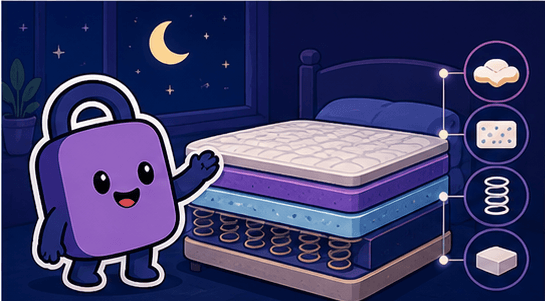
Mattress Guide: The Science Behind Your Bed
Have you heard that choosing a bed is a science? In reality, your mattress significantly impacts sleep quality. Let's explore scientifically why the right mattress matters and which type suits you best.

Body Pillow Guide: Benefits and How to Use One
A body pillow is a long pillow designed to support your entire body, particularly popular among side sleepers. From pregnant women to those with back pain, many people use body pillows. Learn about the correct usage and benefits of body pillows for better sleep.

Blackout Curtains for Better Sleep: Complete Guide to Choosing and Using
Light is one of the biggest disruptors of quality sleep. Even small amounts of light can interfere with melatonin production and disrupt your circadian rhythm. Blackout curtains offer a simple yet effective solution to create the dark environment your body needs for optimal rest. Here's everything you need to know about choosing and using blackout curtains for better sleep.

Mood Lighting and Sleep: How Light Color Affects Your Circadian Rhythm
The color temperature and intensity of light in your environment significantly impacts your sleep quality. While mood lighting can create ambiance, certain colors and brightness levels can either promote or prevent good sleep. Understanding the science of light and sleep helps you optimize your environment for rest.

Does Bed Direction Affect Sleep? Science Meets Ancient Wisdom
Should your bed face north, south, east, or west? Ancient traditions from Feng Shui to Vastu Shastra claim bed direction profoundly impacts sleep quality and health. But what does modern science say? The answer is more nuanced than you might expect—and practical considerations matter far more than magnetic fields.