The Edison Sleep Method: The Truth Behind 4-Hour Sleep and the Secret to Creativity
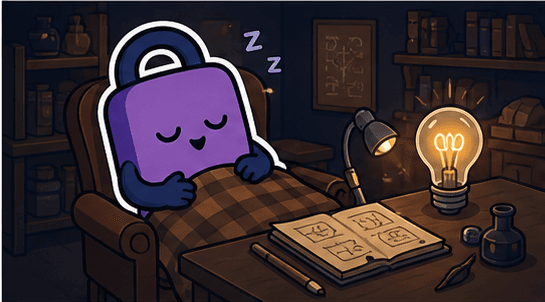
Thomas Edison is said to have slept only 4 hours a day while creating over 1,000 inventions. But behind this '4-hour sleep myth' lies a hidden truth. Edison actually despised sleep publicly while secretly enjoying strategic naps, and he used a unique technique to harness the creative state just before falling asleep.
Edison's 4-Hour Sleep Myth
Thomas Edison (1847-1931) publicly denounced sleep as a 'waste of time' throughout his life. In interviews, he famously said, "Sleep is a criminal waste of time, inherited from our cave days."
Edison claimed that 4 hours of sleep was sufficient, and many people accepted this as the secret to his success. However, historical records paint a completely different picture.
The Hidden Truth: Edison's Secret Naps
According to testimonies from Edison's assistants and colleagues, he actually took multiple naps throughout the day. His laboratory had a cot, and he often took short sleeps between experiments.
Hypnagogia: The Golden Hour of Creativity
What was truly innovative about Edison was his use of 'Hypnagogia' as a creative technique. Hypnagogia is the unique state of consciousness experienced during the transition between wakefulness and sleep.
Edison's Steel Ball Technique
Edison used a unique technique to capture the hypnagogic state. He would sit in a chair holding steel balls (ball bearings) in both hands as he fell asleep.
Modern Scientific Validation
Edison's steel ball technique has recently been validated through scientific research. A 2021 study published in Science Advances revealed remarkable results.
The Dangers of Sleep Deprivation Glorification
Edison's '4-hour sleep' myth continues to influence many people today. However, this glorification of sleep deprivation can cause serious health problems.
Conclusion: The Real Lesson from Edison
Edison's true sleep secret wasn't 'sleeping less' but 'sleeping strategically.' He maintained adequate total sleep through naps and creatively utilized the hypnagogic state.
What modern people should learn from Edison is not to reduce sleep, but to understand the relationship between sleep and creativity and to use strategic rest.
The secret of geniuses is not sleeping less, but using sleep wisely.
⚠️ Important Notice
This article is for informational purposes only and is not a substitute for professional medical advice, diagnosis, or treatment. If you suspect you have a sleep disorder or any health condition, please consult a doctor or sleep specialist.

Take the First Step to Better Sleep
Build healthy sleep habits with Good Night Lock.
Download Good Night LockRelated Articles
Why Is It So Hard to Wake Up in the Morning? Understanding Sleep Inertia
Do you find yourself hitting the snooze button multiple times every morning? Feel like you need an extra hour of sleep no matter how long you slept? You're experiencing sleep inertia - a fascinating phenomenon that affects millions of people worldwide.
Why Alcohol Disrupts Your Sleep (Even Though It Makes You Drowsy)
After a drink or two, you might feel relaxed and sleepy—perfect for bedtime, right? Not quite. While alcohol can make you drowsy initially, it actually sabotages your sleep quality in ways that leave you feeling tired the next day. Let's uncover the science behind alcohol's complex relationship with sleep.
The Napoleon Sleep Method: The Truth About 4-Hour Sleep
Have you heard the story about Napoleon, the great conqueror, who exercised powerful leadership while sleeping only 4 hours a day? Is this sleep method really effective? And did Napoleon actually use this method?
Why Do We Dream So Often? The Science Behind Frequent Dreams
Why do we have vivid dreams on some nights while remembering nothing on others? Let's explore the science of dreams to understand why we dream and how we can enjoy more restful nights.
The Science of Pulling an All-Nighter: How 24 Hours Without Sleep Affects Your Body and Brain
Cramming for an exam, racing against a project deadline, or staying up all night with friends—we've all been there. But what actually happens to your body and brain when you go a full 24 hours without sleep? Let's explore the science behind all-nighters and learn how to handle them when they're truly unavoidable.
Melatonin Side Effects: What to Know About 5mg & 10mg Doses
Melatonin is a natural hormone and popular sleep aid that helps millions get better rest. However, different dosages can come with various side effects. Let's explore how melatonin works, what side effects to watch for at different doses, and how to use it safely.