5 Tips for Better Sleep Before Exams: How to Rest Well the Night Before a Test
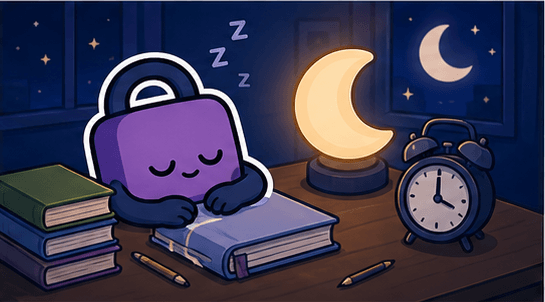
The night before a big exam can be one of the most stressful times for students. While last-minute cramming might seem tempting, getting quality sleep is actually one of the most effective ways to perform your best on test day. Here are five proven tips to help you sleep well before exams and wake up refreshed and ready to succeed.
Stop Studying at the Right Time
One of the biggest mistakes students make is studying until the moment they try to sleep. Your brain needs time to wind down and transition from active learning mode to rest mode.
- Stop studying at least 2-3 hours before bedtime
- Light review is okay, but avoid learning new material
- Trust that you've prepared enough—last-minute cramming rarely helps
- If you must review, focus on summary notes rather than textbooks
Why This Works
Sleep is when your brain consolidates memories and organizes information. Giving yourself time before bed allows this process to work more effectively.
Create a Relaxing Pre-Sleep Routine
Having a consistent routine signals to your body that it's time to sleep. This is especially important when you're feeling anxious about an upcoming exam.
Take a Warm Shower or Bath
The drop in body temperature after bathing naturally makes you sleepy. Aim for 20-30 minutes before bed.
Practice Relaxation Techniques
Deep breathing, progressive muscle relaxation, or gentle stretching can help calm exam anxiety.
Avoid Screens
Blue light from phones and computers suppresses melatonin. Put devices away at least 1 hour before bed.
Listen to Calming Content
Soft music, nature sounds, or a boring audiobook can help distract from anxious thoughts.
Prepare Everything the Night Before
Reduce morning stress and racing thoughts by preparing everything you need for exam day the night before.
- Pack your bag with pens, pencils, ID, calculator, and any allowed materials
- Lay out comfortable clothes that won't distract you
- Set multiple alarms with plenty of buffer time
- Know your route to the exam location and check transportation
- Prepare a healthy breakfast that you can eat quickly
When everything is ready, you can relax knowing tomorrow morning will be smooth, making it easier to fall asleep.
Manage Caffeine and Food Intake
What you consume in the hours before bed significantly impacts sleep quality.
Cut Off Caffeine Early
Stop consuming coffee, tea, energy drinks, and chocolate at least 6-8 hours before bedtime. Caffeine has a half-life of about 5 hours.
Eat a Light Dinner
Heavy meals can cause discomfort and disrupt sleep. Eat at least 2-3 hours before bed.
Consider Sleep-Friendly Foods
Foods containing tryptophan (warm milk, bananas, nuts) can naturally promote sleepiness.
Stay Hydrated, But Not Too Much
Drink enough water during the day, but reduce intake before bed to avoid nighttime bathroom trips.
Handle Exam Anxiety That Keeps You Awake
If anxious thoughts are preventing sleep, try these proven techniques:
Write Down Your Worries
Keep a notepad by your bed. Writing down worries transfers them from your mind to paper, giving your brain permission to let go.
Practice Positive Visualization
Instead of imagining worst-case scenarios, visualize yourself calmly and confidently taking the exam.
Use the 4-7-8 Breathing Technique
Inhale for 4 seconds, hold for 7 seconds, exhale for 8 seconds. This activates your parasympathetic nervous system.
Accept That Some Anxiety is Normal
Don't stress about feeling stressed. A little anxiety means you care about performing well.
What If You Still Can't Sleep?
Even with the best preparation, sometimes sleep just doesn't come. Here's what to do:
- •Don't watch the clock—this increases anxiety about not sleeping
- •If you've been lying awake for 20+ minutes, get up and do something boring
- •Keep the lights dim and avoid screens
- •Remember: one night of poor sleep won't ruin your performance if you've been sleeping well overall
- •Rest alone is beneficial—lying quietly still helps your body recover
Sleep Is Part of Your Exam Preparation
Many students prioritize studying over sleeping before exams, but this approach often backfires. Sleep deprivation impairs memory recall, concentration, and problem-solving abilities—exactly the skills you need during a test.
By following these five tips, you're giving your brain the rest it needs to perform at its best. Trust your preparation, create a calming routine, and remember that taking care of your sleep is one of the smartest things you can do for exam success.
⚠️ Important Notice
This article is for informational purposes only and is not a substitute for professional medical advice, diagnosis, or treatment. If you suspect you have a sleep disorder or any health condition, please consult a doctor or sleep specialist.

Take the First Step to Better Sleep
Build healthy sleep habits with Good Night Lock.
Download Good Night LockRelated Articles
The Surprising Benefits of Sleep Socks: Why Warming Your Feet Helps You Sleep
Did you know that wearing socks to bed can help you fall asleep faster? While it may sound like an old wives' tale, there's actually solid scientific evidence behind this practice. Discover how sleep socks can improve your sleep quality and learn the proper way to use them.
Can't Sleep? 4 Science-Backed Tips to Fall Asleep Fast
We've all experienced lying in bed, tossing and turning, unable to fall asleep. Trying to force sleep often makes it worse. Discover 4 scientifically proven methods to naturally fall asleep when you can't sleep.
Miracle Morning: Experience the Magic of Early Rising
The Miracle Morning is a life-transforming morning routine that has helped millions of people worldwide achieve greater success, happiness, and health. By waking up early and dedicating time to personal development, you can unlock your full potential and create lasting positive change in your life.
Better Sleep: Smart Ways to Get Deep, Quality Rest
Getting quality sleep is essential for physical health, mental clarity, and overall well-being. Yet many people struggle to achieve truly restful sleep. This comprehensive guide explores scientifically-backed strategies to help you fall asleep faster, sleep more deeply, and wake up feeling refreshed.
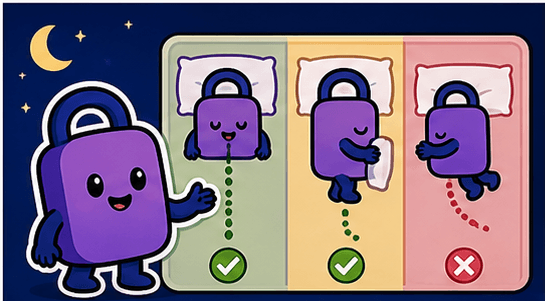
Check Your Sleep Position: Finding the Best Way to Sleep
Your sleep position affects more than just your comfort—it can impact your breathing, digestion, spine alignment, and even skin health. Many people sleep in the same position for years without realizing how it might be affecting their sleep quality. Let's examine different sleep positions and help you find the best one for your needs.

Gift Ideas for Students: Thoughtful Presents to Support Hard-Working Students
Students face intense pressure during exam periods, juggling long study hours with stress and sleep deprivation. A thoughtful gift can provide comfort, improve their well-being, and show your support during these challenging times. Here are the best gift ideas to help students stay healthy, focused, and encouraged.