Why Do I Pass Gas So Often? Causes and Solutions
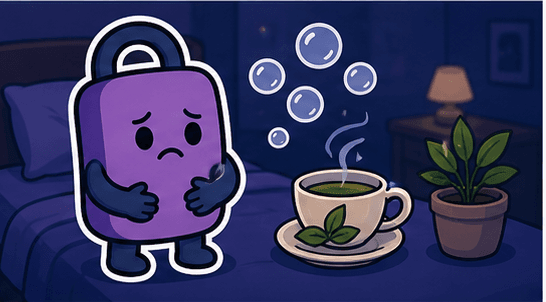
Passing gas is a normal bodily function, but excessive flatulence can be embarrassing and uncomfortable. If you find yourself passing gas too frequently, there are usually identifiable causes and practical solutions. Let's explore why this happens and how to reduce it for better sleep and daily comfort.
Understanding Intestinal Gas
The average person passes gas 13-21 times per day. Intestinal gas comes from two sources: swallowed air and the fermentation of undigested food by gut bacteria. When these processes become excessive, you experience increased flatulence.
Excessive gas can affect sleep quality, social situations, and overall comfort. Understanding the underlying causes is the first step toward finding relief.
Quick Facts About Gas:
- Average gas production: 0.5-1.5 liters per day
- Most gas is odorless (oxygen, nitrogen, carbon dioxide)
- Sulfur compounds cause the unpleasant smell
- Gas can be influenced by what you eat and how you eat
Common Causes of Excessive Gas
Several factors can lead to increased gas production or difficulty expelling gas. Identifying your specific triggers is key to finding relief.
Dietary Factors
High-fiber foods, beans, cruciferous vegetables (broccoli, cabbage), dairy products, and artificial sweeteners are common culprits. Carbonated drinks add extra air to your digestive system.
Eating Habits
Eating too quickly, talking while eating, chewing gum, and drinking through straws can cause you to swallow excess air, leading to more gas.
Digestive Disorders
Conditions like lactose intolerance, celiac disease, irritable bowel syndrome (IBS), and small intestinal bacterial overgrowth (SIBO) can cause excessive gas production.
Gut Microbiome Imbalance
An imbalanced gut microbiome can lead to poor digestion and increased fermentation. Antibiotics, stress, and poor diet can disrupt your gut bacteria.
Foods That Cause Gas
Some foods are more likely to produce gas than others. Knowing these can help you make dietary adjustments.
Beans and Legumes
Contain oligosaccharides that humans can't fully digest, leading to fermentation in the large intestine.
Cruciferous Vegetables
Broccoli, cauliflower, cabbage, and Brussels sprouts contain raffinose, a complex sugar that produces gas during digestion.
Dairy Products
If you're lactose intolerant, dairy products can cause significant gas, bloating, and discomfort.
Artificial Sweeteners
Sorbitol, mannitol, and xylitol found in sugar-free products can cause gas and bloating.
Practical Solutions to Reduce Gas
You can significantly reduce excessive gas with lifestyle and dietary modifications. Try these practical strategies.
Eat Slowly and Mindfully
Take your time eating, chew food thoroughly, and avoid talking while eating to reduce air swallowing.
Identify Food Triggers
Keep a food diary to identify which foods cause you the most gas. Gradually introduce high-fiber foods to give your gut time to adjust.
Exercise Regularly
Physical activity helps move gas through your digestive system. A short walk after meals can be particularly helpful.
Try Probiotics
Probiotics can help balance your gut microbiome and improve digestion. Fermented foods like yogurt, kefir, and kimchi are good sources.
Consider Digestive Enzymes
Over-the-counter enzymes like lactase (for dairy) or alpha-galactosidase (for beans) can help break down problem foods.
When to See a Doctor
While occasional excessive gas is usually harmless, some symptoms warrant medical attention.
Consult a Doctor If You Experience:
- •Persistent bloating that doesn't improve
- •Severe abdominal pain or cramping
- •Unexplained weight loss
- •Blood in your stool
- •Chronic diarrhea or constipation
- •Gas accompanied by fever or vomiting
These symptoms could indicate underlying conditions like inflammatory bowel disease, celiac disease, or other digestive disorders that require medical evaluation.
Gas and Sleep Quality
Excessive gas can significantly impact your sleep. Bloating and discomfort can make it difficult to fall asleep and stay asleep. Here's how to minimize nighttime gas.
- Finish eating at least 2-3 hours before bedtime
- Avoid gas-producing foods at dinner
- Take a gentle walk after your evening meal
- Sleep on your left side to aid digestion
- Consider herbal teas like peppermint or ginger after dinner
Conclusion
Excessive gas is a common issue that can usually be managed with dietary and lifestyle changes. By identifying your triggers, eating mindfully, and making smart food choices, you can significantly reduce flatulence and improve your comfort.
Remember that some gas is completely normal. If lifestyle changes don't help or if you experience concerning symptoms, consult a healthcare provider for proper evaluation and treatment.
⚠️ Important Notice
This article is for informational purposes only and is not a substitute for professional medical advice, diagnosis, or treatment. If you suspect you have a sleep disorder or any health condition, please consult a doctor or sleep specialist.

Take the First Step to Better Sleep
Build healthy sleep habits with Good Night Lock.
Download Good Night LockRelated Articles
Complete Guide to Sleep Apnea: Symptoms, Causes, Diagnosis, and Treatment
Do you sleep enough at night but still feel tired in the morning? Does your partner complain about your loud snoring? Have you ever woken up gasping for air? These symptoms could be signs of 'sleep apnea.' Let's learn about this common yet dangerous sleep disorder that affects approximately 20% of adults.

Complete Guide to REM Sleep Behavior Disorder: Why You Scream or Kick While Sleeping
Has your partner ever suddenly screamed, swung their fists, or jumped out of bed while sleeping? Or have you woken up from a vivid nightmare to find yourself hitting a wall? This could be 'REM Sleep Behavior Disorder (RBD)'. Let's explore this unusual sleep disorder.

Complete GABA Guide: Effects on Sleep and Proper Intake
Have you searched for GABA supplements because you can't sleep? 'Natural sedative', 'stress relief', 'sleep improvement'... The ads are flashy, but do they really work? Let's explore GABA's impact on sleep and the scientific evidence.
Complete Guide to Ecklonia Cava Benefits: Effects on Sleep and Scientific Evidence
Have you heard about 'Ecklonia cava extract' gaining attention as a sleep supplement? Can this brown seaweed growing along Korean and Japanese coasts really help with sleep? Let's explore the sleep benefits of Ecklonia cava extract with scientific research.
Sleep and Disc Health: Why Poor Sleep Causes Back Pain
Do you wake up with a stiff or aching back? Learn how your sleep position and mattress affect spinal health, and discover the right sleeping methods for those with disc problems.
Why Your Back Hurts When You Wake Up: Causes and Solutions
Waking up with a stiff, aching back is something many of us experience. Why does back pain occur even after a full night's sleep? In this article, we explore the causes of morning back pain and effective solutions to fix it.