Exercise Before Bed: Good or Bad for Sleep? A Complete Guide
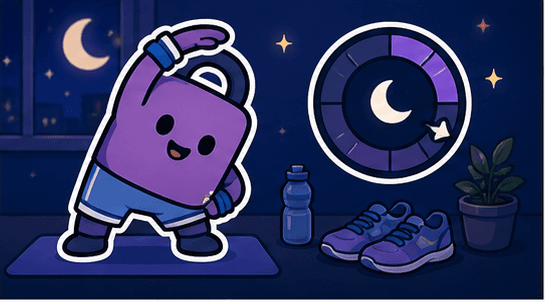
We all know exercise is good for health, but you may have heard that working out before bed disrupts sleep. Is this really true? Let's explore the relationship between exercise and sleep, and discover the optimal workout timing based on scientific evidence.
How Exercise Affects Sleep
Regular exercise generally improves sleep quality. However, the effects can vary depending on when you exercise.
Increased Deep Sleep
Exercise increases slow-wave sleep (deep sleep), promoting physical recovery.
Reduced Sleep Latency
Regular exercisers fall asleep faster than sedentary individuals.
Improved Sleep Efficiency
The ratio of actual sleep time to time spent in bed increases.
Insomnia Symptom Relief
For chronic insomnia sufferers, exercise can be as effective as sleeping pills.
Effects of Evening Exercise
Recent research on pre-bedtime exercise challenges conventional wisdom.
Body Temperature Effect
The rise and subsequent fall in body temperature after exercise can induce drowsiness.
Individual Variation
Some people sleep better after evening exercise, while others remain alert.
Intensity Matters
Moderate-intensity exercise is more suitable before bed than high-intensity workouts.
Exercise-to-Bed Gap
Finishing exercise at least 1 hour before bed typically doesn't affect sleep for most people.
Exercise Effects by Time of Day
The impact on sleep varies depending on when you exercise during the day.
Morning Exercise (6-9 AM)
Strengthens circadian rhythm, improves nighttime sleep quality. Especially effective for people who struggle with morning waking.
Midday Exercise (12-3 PM)
Post-lunch exercise prevents afternoon drowsiness. Neutral impact on nighttime sleep.
Evening Exercise (5-8 PM)
Optimal time for many people. Body temperature peaks, maximizing exercise performance.
Night Exercise (8-10 PM)
Varies by individual, but moderate exercise is usually fine. Recommended to finish 1 hour before bed.
Recommended Pre-Bed Exercises
Light exercises you can do before going to sleep.
Light Stretching
Releases muscle tension and promotes relaxation. 10-15 minutes is ideal.
Yoga
Yin yoga or restorative yoga is particularly good before sleep.
Light Walking
A leisurely 20-30 minute walk calms both mind and body.
Breathing Exercises
Deep breathing and diaphragmatic breathing activate the parasympathetic nervous system.
Tai Chi/Qigong
Slow, gentle movements provide meditative benefits while promoting sleep.
Exercises to Avoid Before Bed
The following exercises should be avoided 2-3 hours before bedtime.
High-Intensity Interval Training (HIIT)
Rapidly raises heart rate and cortisol, maintaining an alert state.
Heavy Weight Training
Muscle damage and inflammatory responses can interfere with sleep.
Competitive Sports
Competition and adrenaline release cause mental arousal.
Prolonged Cardio
Running or cycling for over an hour excessively raises body temperature.
Finding Your Optimal Exercise Time
- •Track your exercise timing and sleep quality for 2 weeks
- •Try the same workout at different times and compare results
- •Check how long it takes to fall asleep after exercising
- •Record your morning mood and energy levels too
- •Exercise regularly, at least 3 times per week
Precautions
- •If you have severe insomnia, try temporarily stopping evening exercise
- •Pre-workout caffeine can affect sleep
- •Excessive exercise can actually disrupt sleep
- •Hydrate well after exercise, but avoid drinking right before bed
- •Consult a professional if sleep problems persist
Conclusion: Find Your Optimal Exercise Time
Exercise before bed doesn't necessarily disrupt sleep. What matters is exercise intensity and individual response. Most people can do moderate exercise up to 1-2 hours before bed without affecting sleep.
Regular exercise is one of the most effective ways to improve sleep quality. Find the exercise timing that works best for you and build healthy sleep habits.
⚠️ Important Notice
This article is for informational purposes only and is not a substitute for professional medical advice, diagnosis, or treatment. If you suspect you have a sleep disorder or any health condition, please consult a doctor or sleep specialist.

Take the First Step to Better Sleep
Build healthy sleep habits with Good Night Lock.
Download Good Night LockRelated Articles
Why Is It So Hard to Wake Up in the Morning? Understanding Sleep Inertia
Do you find yourself hitting the snooze button multiple times every morning? Feel like you need an extra hour of sleep no matter how long you slept? You're experiencing sleep inertia - a fascinating phenomenon that affects millions of people worldwide.
Why Alcohol Disrupts Your Sleep (Even Though It Makes You Drowsy)
After a drink or two, you might feel relaxed and sleepy—perfect for bedtime, right? Not quite. While alcohol can make you drowsy initially, it actually sabotages your sleep quality in ways that leave you feeling tired the next day. Let's uncover the science behind alcohol's complex relationship with sleep.
The Napoleon Sleep Method: The Truth About 4-Hour Sleep
Have you heard the story about Napoleon, the great conqueror, who exercised powerful leadership while sleeping only 4 hours a day? Is this sleep method really effective? And did Napoleon actually use this method?

Why Do We Dream So Often? The Science Behind Frequent Dreams
Why do we have vivid dreams on some nights while remembering nothing on others? Let's explore the science of dreams to understand why we dream and how we can enjoy more restful nights.
The Science of Pulling an All-Nighter: How 24 Hours Without Sleep Affects Your Body and Brain
Cramming for an exam, racing against a project deadline, or staying up all night with friends—we've all been there. But what actually happens to your body and brain when you go a full 24 hours without sleep? Let's explore the science behind all-nighters and learn how to handle them when they're truly unavoidable.
Melatonin Side Effects: What to Know About 5mg & 10mg Doses
Melatonin is a natural hormone and popular sleep aid that helps millions get better rest. However, different dosages can come with various side effects. Let's explore how melatonin works, what side effects to watch for at different doses, and how to use it safely.