How to Fall Asleep Fast: Methods That Actually Work
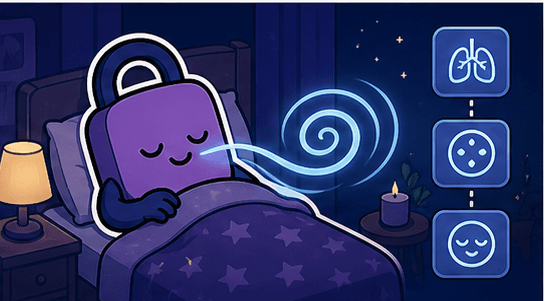
We've all been there – lying in bed, staring at the ceiling, unable to fall asleep while precious hours tick away. Falling asleep quickly isn't just about saving time; it's the first step to improving your overall sleep quality. Let's explore scientifically-proven methods to help you drift off faster.
Why Is It Hard to Fall Asleep?
Understanding why you struggle to fall asleep is the first step to finding a solution.
Hyperarousal
Stress, anxiety, and worry keep your brain active and prevent it from relaxing.
Irregular Sleep Schedule
Going to bed and waking up at different times confuses your circadian rhythm.
Blue Light Exposure
Using smartphones or computers before bed suppresses melatonin production.
Caffeine and Alcohol
Caffeine stays in your system for 6+ hours, and alcohol disrupts sleep quality.
Poor Sleep Environment
A room that's too bright, noisy, or the wrong temperature makes falling asleep difficult.
Military Sleep Method (Fall Asleep in 2 Minutes)
Developed by the U.S. Navy, this technique has a 96% success rate after 6 weeks of practice.
Step 1: Relax Your Face
Release tension in your eyes, cheeks, jaw, and tongue. Let your forehead smooth out.
Step 2: Relax Shoulders and Arms
Drop your shoulders as low as they'll go. Relax one arm at a time, from upper arm to hand.
Step 3: Relax Chest and Legs
Breathe out and release tension in your chest. Relax from thighs to calves to feet.
Step 4: Clear Your Mind
For 10 seconds, think of nothing or imagine a peaceful scene.
Tip
Repeating 'don't think, don't think' for 10 seconds can also be effective.
4-7-8 Breathing Technique
Developed by Dr. Andrew Weil of Harvard, this breathing method activates the parasympathetic nervous system to help you fall asleep faster.
Method
Inhale through your nose for 4 seconds, hold for 7 seconds, exhale slowly through your mouth for 8 seconds.
Repetitions
Repeat this cycle 4 times. As you get comfortable, you can increase to 8 cycles.
Effects
Lowers heart rate and stabilizes blood pressure, inducing a relaxed state.
Caution
You may feel dizzy at first, so practice while lying down.
Optimizing Your Sleep Environment
The right sleep environment is essential for falling asleep quickly.
Temperature Control
Keep your bedroom at 65-68°F (18-20°C). A slight drop in body temperature promotes sleep.
Keep It Dark
Use blackout curtains or a sleep mask. Light suppresses melatonin production.
Block Noise
Use earplugs or a white noise machine. Consistent background noise can actually help.
Comfortable Bedding
Ensure your mattress and pillow suit you. Consider replacing old bedding.
Remove Electronics
Keep your smartphone away from your bed to remove temptation.
Bedtime Routine
A consistent routine signals your brain that it's time to sleep.
Consistent Bedtime
Go to bed and wake up at the same time, even on weekends. This stabilizes your body clock.
Screen-Free Hour Before Bed
Use blue light blocking glasses or night mode on your devices.
Warm Bath or Shower
A warm bath 1-2 hours before bed causes your body temperature to drop, inducing sleepiness.
Light Stretching
Gentle stretches release muscle tension and promote relaxation.
Reading or Meditation
Quiet activities calm the mind. Avoid exciting or thrilling books though.
Quick Tips to Fall Asleep Faster
- •Use your bed only for sleep and rest
- •If you can't sleep after 20 minutes, get up and do something relaxing
- •Avoid caffeine 4-6 hours before bedtime
- •Finish dinner at least 3 hours before bed
- •Keep naps under 20 minutes and before 3 PM
Don't Rely on Sleep Aids
- •Sleep medications can decrease sleep quality long-term
- •Natural methods for improving sleep patterns are preferable
- •Consult a professional if insomnia persists for more than 2 weeks
- •Visit a doctor if sleep problems seriously affect your daily life
- •Underlying conditions may be causing your insomnia
Start Tonight
Falling asleep quickly isn't an innate talent – it's a skill anyone can develop with the right habits, environment, and relaxation techniques. The military sleep method and 4-7-8 breathing may feel awkward at first, but consistent practice yields results.
Most importantly, be consistent. Don't expect overnight results; commit to 2-3 weeks of practice. You'll soon discover yourself falling asleep faster and waking up more refreshed.
⚠️ Important Notice
This article is for informational purposes only and is not a substitute for professional medical advice, diagnosis, or treatment. If you suspect you have a sleep disorder or any health condition, please consult a doctor or sleep specialist.

Take the First Step to Better Sleep
Build healthy sleep habits with Good Night Lock.
Download Good Night LockRelated Articles
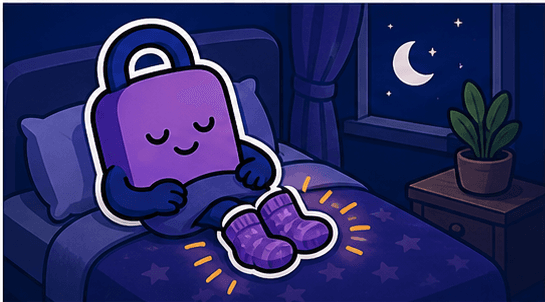
The Surprising Benefits of Sleep Socks: Why Warming Your Feet Helps You Sleep
Did you know that wearing socks to bed can help you fall asleep faster? While it may sound like an old wives' tale, there's actually solid scientific evidence behind this practice. Discover how sleep socks can improve your sleep quality and learn the proper way to use them.
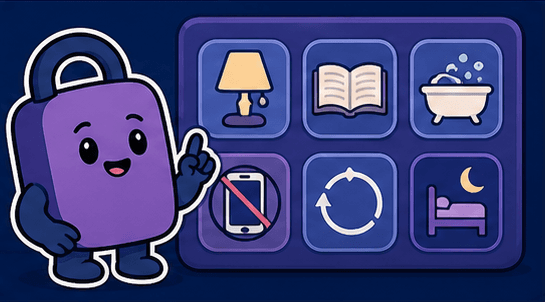
Can't Sleep? 4 Science-Backed Tips to Fall Asleep Fast
We've all experienced lying in bed, tossing and turning, unable to fall asleep. Trying to force sleep often makes it worse. Discover 4 scientifically proven methods to naturally fall asleep when you can't sleep.
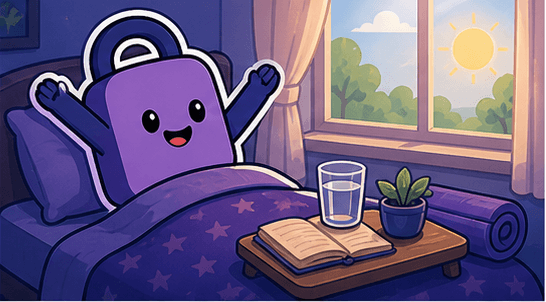
Miracle Morning: Experience the Magic of Early Rising
The Miracle Morning is a life-transforming morning routine that has helped millions of people worldwide achieve greater success, happiness, and health. By waking up early and dedicating time to personal development, you can unlock your full potential and create lasting positive change in your life.
Better Sleep: Smart Ways to Get Deep, Quality Rest
Getting quality sleep is essential for physical health, mental clarity, and overall well-being. Yet many people struggle to achieve truly restful sleep. This comprehensive guide explores scientifically-backed strategies to help you fall asleep faster, sleep more deeply, and wake up feeling refreshed.
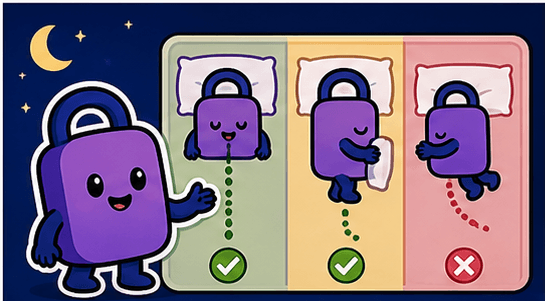
Check Your Sleep Position: Finding the Best Way to Sleep
Your sleep position affects more than just your comfort—it can impact your breathing, digestion, spine alignment, and even skin health. Many people sleep in the same position for years without realizing how it might be affecting their sleep quality. Let's examine different sleep positions and help you find the best one for your needs.

Gift Ideas for Students: Thoughtful Presents to Support Hard-Working Students
Students face intense pressure during exam periods, juggling long study hours with stress and sleep deprivation. A thoughtful gift can provide comfort, improve their well-being, and show your support during these challenging times. Here are the best gift ideas to help students stay healthy, focused, and encouraged.