Why We Wake Up Frequently During Sleep: Understanding the Causes and Solutions
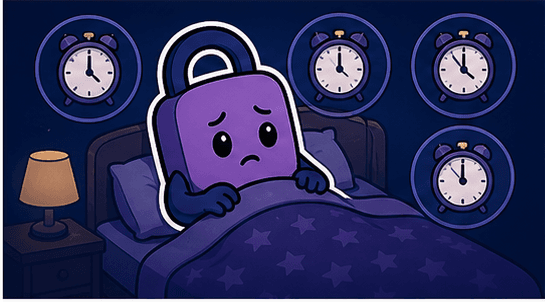
Waking up multiple times during the night can leave you feeling exhausted and frustrated. While occasional nighttime awakenings are normal, frequent interruptions to your sleep can significantly impact your health and quality of life. Let's explore the common reasons why you might be waking up during the night and what you can do about it.
Understanding Normal vs. Problematic Night Waking
It's perfectly normal to wake up briefly during the night—most people do so 2-3 times without even remembering it. These brief awakenings typically occur between sleep cycles and last only seconds before you drift back to sleep.
However, if you're waking up frequently and struggling to fall back asleep, or if you're waking up feeling unrested, there may be underlying factors that need attention.
When to Be Concerned
If you're waking up more than 3-4 times per night, staying awake for more than 20-30 minutes, or experiencing daytime fatigue despite spending adequate time in bed, it's time to investigate the causes.
Common Physical Causes
Several physical factors can disrupt your sleep and cause frequent awakenings:
Bathroom Needs (Nocturia)
Waking up to urinate is one of the most common causes of sleep disruption. This can be caused by drinking too many fluids before bed, certain medications, urinary tract issues, or conditions like diabetes.
Sleep Apnea
This condition causes you to stop breathing briefly during sleep, triggering your brain to wake you up. Symptoms include loud snoring, gasping for air, and morning headaches.
Pain and Discomfort
Chronic pain conditions, arthritis, or even an uncomfortable mattress can cause you to wake up repeatedly as your body seeks a more comfortable position.
Acid Reflux (GERD)
Stomach acid flowing back into the esophagus can cause discomfort that wakes you up, especially if you eat late at night.
Hormonal Changes
Menopause, pregnancy, and thyroid disorders can all affect sleep quality and lead to more frequent awakenings.
Environmental and Lifestyle Factors
Your sleep environment and daily habits play a crucial role in sleep quality:
Room Temperature
A room that's too hot or too cold can cause you to wake up. The ideal sleeping temperature is between 60-67°F (15-19°C).
Light and Noise
Even small amounts of light or intermittent noise can disrupt sleep cycles and cause partial awakenings that you may or may not remember.
Caffeine and Alcohol
Caffeine can stay in your system for 6+ hours, while alcohol, despite being sedating initially, causes fragmented sleep later in the night.
Screen Time Before Bed
Blue light from devices suppresses melatonin production, making it harder to stay asleep throughout the night.
Irregular Sleep Schedule
Going to bed and waking up at different times disrupts your circadian rhythm, leading to lighter, more fragmented sleep.
Psychological Factors
Mental health and stress significantly impact sleep quality:
Anxiety and Stress
Racing thoughts and worry can make it difficult to stay asleep. Your brain may wake you up as it processes stressful events or anticipates upcoming challenges.
Depression
Sleep disturbances are common in depression, often presenting as early morning awakening or fragmented sleep throughout the night.
Hypervigilance
Some people remain partially alert during sleep, making them more likely to wake up at small disturbances. This can be related to past trauma or chronic anxiety.
Solutions for Better Sleep
Try these strategies to reduce nighttime awakenings:
Optimize Your Sleep Environment
Keep your bedroom dark, quiet, and cool. Consider blackout curtains, white noise machines, or earplugs if needed.
Limit Fluids Before Bed
Reduce liquid intake 2-3 hours before bedtime to minimize bathroom trips during the night.
Establish a Consistent Schedule
Go to bed and wake up at the same time every day, even on weekends, to strengthen your circadian rhythm.
Create a Relaxing Bedtime Routine
Wind down for 30-60 minutes before bed with calming activities like reading, gentle stretching, or meditation.
Avoid Stimulants
Cut off caffeine by early afternoon and avoid alcohol within 3-4 hours of bedtime.
Address Underlying Conditions
If you suspect sleep apnea, chronic pain, or other health issues, consult a healthcare provider for proper diagnosis and treatment.
When to Seek Professional Help
Consider seeing a sleep specialist if you experience:
- Loud snoring or gasping during sleep
- Persistent daytime fatigue despite adequate sleep time
- Difficulty falling back asleep after waking
- Symptoms that don't improve with lifestyle changes
- Impact on daily functioning, work, or relationships
Reclaim Your Restful Nights
Frequent night waking is a common problem with many potential causes. By understanding what might be disrupting your sleep and making targeted changes to your habits and environment, you can often significantly improve your sleep quality.
Remember that good sleep hygiene is the foundation of restful nights. Start with the basics—consistent schedule, comfortable environment, and healthy pre-bed habits—and you may find that those frustrating midnight awakenings become a thing of the past.
⚠️ Important Notice
This article is for informational purposes only and is not a substitute for professional medical advice, diagnosis, or treatment. If you suspect you have a sleep disorder or any health condition, please consult a doctor or sleep specialist.

Take the First Step to Better Sleep
Build healthy sleep habits with Good Night Lock.
Download Good Night LockRelated Articles
The Complete Guide to Insomnia: Causes, Symptoms, and Scientifically Proven Treatments
Do you find yourself staring at the ceiling every night, tossing and turning? Does it take you more than 30 minutes to fall asleep, or do you keep waking up in the early morning? Insomnia, experienced by 1 in 3 adults worldwide, isn't just about 'not being able to sleep.' Let's explore the scientific causes of insomnia through to evidence-based treatments.
Complete Guide to Narcolepsy: Symptoms, Causes, Diagnosis, and Treatment
Sudden overwhelming sleepiness, knees buckling while laughing... Narcolepsy isn't just 'being sleepy.' It's a neurological disorder caused by hypocretin deficiency. Learn everything about this condition that affects 1 in 2,000 people.
The Complete Guide to Snoring: Causes, Risks, and Solutions
Do you wake your partner every night with thunderous snoring? Or have you ever been startled awake by your own snoring? Snoring isn't just a noisy nuisance—it can be a signal of underlying health issues. About 40% of adults worldwide snore habitually, and some cases involve serious sleep apnea. Let's explore everything from the causes of snoring to effective treatments.
Orthosomnia: When Sleep Tracking Disrupts Your Sleep
Do you feel more anxious after checking your sleep score on your smartwatch? Has your pursuit of perfect sleep actually made it harder to sleep? This is 'Orthosomnia.' As sleep tracking devices become mainstream, we explore this modern sleep disorder that has emerged from our obsession with sleep data.
Awake Until Dawn? It Could Be Delayed Sleep Phase Syndrome (DSPS)
Do you try to fall asleep every night but can't until 2-3 AM, and then struggle terribly to wake up in the morning? If being a 'night owl' is seriously disrupting your daily life, you might have Delayed Sleep Phase Syndrome (DSPS).
Why Can't I Sleep? Understanding Insomnia and Sleep Disorders
Lying in bed but can't fall asleep? Does trying harder to sleep only make you feel more awake? Learn about the causes and solutions to this common problem faced by many modern people.