Complete GABA Guide: Effects on Sleep and Proper Intake
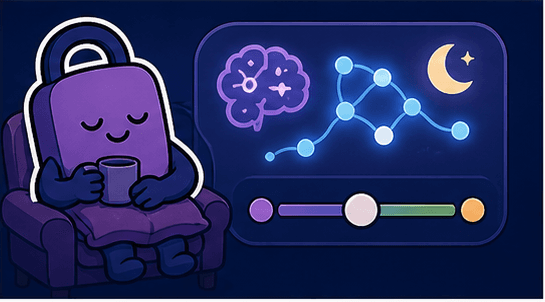
Have you searched for GABA supplements because you can't sleep? 'Natural sedative', 'stress relief', 'sleep improvement'... The ads are flashy, but do they really work? Let's explore GABA's impact on sleep and the scientific evidence.
What is GABA?
GABA (Gamma-Aminobutyric Acid) is an amino acid produced in the brain and is the primary 'inhibitory neurotransmitter.' It calms and slows down neural activity in the brain.
When GABA binds to GABA receptors in the brain, it inhibits the excitation of nerve cells. It's like putting 'brakes' on the brain to slow down activity. The opposite of GABA is glutamate (an excitatory neurotransmitter).
Interestingly, many sleeping pills and sedatives (benzodiazepines, barbiturates, etc.) work by activating this GABA system. This is why there's so much interest in GABA supplements.
GABA's Roles
GABA and Sleep Connection
GABA plays a crucial role in sleep. When GABA activity in the brain increases, the arousal state is suppressed and transitions to sleep.
Sleep Initiation
To fall asleep, the brain's arousal centers must be suppressed. GABA inhibits these arousal centers (arousal neurons in the hypothalamus) to induce sleep.
Sleep Maintenance
During sleep, GABA continues to work to prevent unnecessary arousal. When GABA activity is insufficient, sleep becomes shallow and fragmented.
Deep Sleep
Research shows that the more active GABA is, the more deep sleep (slow-wave sleep) you get.
GABA Deficiency and Sleep Problems
Studies show that GABA concentrations in the brains of insomnia patients are about 30% lower than normal. Additionally, GABA concentrations naturally decrease with age, which may be related to sleep problems in the elderly.
Do GABA Supplements Really Work?
Here's an important issue: it's unclear whether oral GABA supplements actually reach the brain.
Blood-Brain Barrier (BBB) Problem
The brain is surrounded by a protective barrier called the 'Blood-Brain Barrier.' This barrier strictly controls which substances from the blood can enter the brain.
The problem is that GABA molecules don't easily cross this barrier. According to traditional scientific views, most orally consumed GABA doesn't reach the brain and is instead broken down or excreted in the gut.
However, recent studies suggest that some GABA may be able to cross the blood-brain barrier. There's also research indicating that GABA may indirectly affect the brain through the gut-brain axis.
Positive Research
- ✓Some studies show GABA supplements reduce sleep latency (time to fall asleep)
- ✓GABA increases alpha waves (relaxation brain waves) in stressful situations
- ✓Reported subjective feelings of relaxation after GABA intake
- ✓GABA may act on immune cells and the enteric nervous system
Limitations
- ✗Many studies are small-scale or have methodological limitations
- ✗Many studies show effects not significantly different from placebo
- ✗Blood-brain barrier penetration is not clearly proven
- ✗Lack of research on long-term safety and effectiveness
Honest Assessment
The sleep-improving effects of GABA supplements are 'possible but uncertain.' It's hard to expect dramatic effects like powerful sleeping pills, but there may be mild relaxation effects and help with sleep initiation. Individual differences are also significant.
Types of GABA Supplements
GABA supplements on the market come in various forms.
Synthetic GABA
GABA synthesized in a laboratory. This is the most common form.
Typical dosage: 100-750mg
PharmaGABA
Marketed as 'natural' GABA produced through fermentation. Some studies claim it's more effective than synthetic GABA, but conclusive evidence is lacking.
Phenibut
A substance with a structure similar to GABA, modified to cross the blood-brain barrier more easily. Developed in Russia, it has stronger effects but carries risks of dependency and withdrawal symptoms. Sales are restricted in some countries.
⚠️ Risk of dependency, professional consultation needed
GABA Precursors
Substances that are converted to GABA in the body.
- •L-theanine (green tea component, promotes GABA production)
- •Glutamine (GABA precursor)
- •Vitamin B6 (required for GABA synthesis)
GABA Side Effects and Precautions
GABA supplements are generally considered safe, but there are side effects and precautions.
Common Side Effects
- •Headache
- •Drowsiness (problematic if taken during the day)
- •Digestive discomfort
- •Muscle weakness
- •Itching or tingling (temporary)
Use with Caution If:
- ⚠Pregnant or breastfeeding
- ⚠Taking prescription sleeping pills, sedatives, or anti-anxiety medications
- ⚠Combining with alcohol
- ⚠Liver or kidney disease
- ⚠Scheduled for surgery (discontinue 2 weeks prior)
- ⚠Before driving or operating machinery
⚠️ Important Warning
GABA supplements are not medications. If you have serious sleep disorders or anxiety disorders, don't rely on supplements—consult a healthcare professional. There are also reports that long-term high-dose use may lead to dependency.
Natural Ways to Increase GABA
There are ways to increase brain GABA activity without supplements.
Exercise
Regular exercise increases GABA concentrations in the brain. Yoga in particular has been shown to increase GABA levels by 27%.
Meditation
Meditation and mindfulness increase GABA activity and reduce stress.
GABA-Rich Foods
Nutrients Supporting GABA Synthesis
- •Vitamin B6: Essential for GABA synthesis
- •Magnesium: Supports GABA receptor function
- •Zinc: Regulates GABA activity
GABA vs Other Sleep Supplements
There are other supplements besides GABA that help with sleep. Let's compare.
Melatonin
Regulates circadian rhythm, signals sleep onset
Effective for jet lag and sleep initiation
Different mechanism from GABA, can be used together
Magnesium
Activates GABA receptors, muscle relaxation
Improves sleep quality, especially when magnesium deficient
Possible synergistic effect with GABA
L-theanine
Increases alpha waves, promotes GABA production
Relaxation, improves sleep quality
Often combined with GABA
Valerian Root
Inhibits GABA breakdown, binds to GABA receptors
Helps with sleep initiation, large individual differences
Similar mechanism to GABA
Glycine
Lowers body temperature, inhibitory neurotransmitter
Improves sleep quality, reduces morning fatigue
Different mechanism from GABA
Frequently Asked Questions (FAQ)
Can I take GABA every day?
Short-term use (2-4 weeks) is generally safe. However, research on long-term use is limited, so if you need it continuously, consult a healthcare professional.
Do GABA supplements have immediate effects?
Some people feel relaxed within 30-60 minutes after taking it. However, individual differences are large, and many people experience no effect. Evaluate after 1-2 weeks of continuous use.
Can I take GABA with sleeping pills?
Not recommended. Both have sedative effects and may cause excessive drowsiness, respiratory depression, etc. If you're taking sleeping pills, always consult your doctor.
Will I get rebound insomnia if I stop GABA?
Regular doses of GABA supplements don't typically cause significant rebound effects. However, if you've been using high doses long-term, it's better to gradually reduce.
Can children take GABA supplements?
Not recommended due to lack of research in children. For children's sleep problems, consult a pediatrician.
Conclusion: GABA Between Expectation and Reality
GABA is a key calming substance in the brain and plays an important role in sleep. However, it's scientifically unclear whether oral GABA supplements effectively reach the brain.
GABA supplements may have mild relaxation and sleep improvement effects for some people, but it's hard to expect effects like powerful sleeping pills. If you have serious insomnia, medical consultation is a priority over supplements.
Natural ways to increase GABA—exercise, meditation, fermented foods, stress management—have safer and more sustainable effects. Consider supplements as a complementary tool to lifestyle improvements.
The foundation of good sleep is lifestyle habits. 💙
⚠️ Important Notice
This article is for informational purposes only and is not a substitute for professional medical advice, diagnosis, or treatment. If you suspect you have a sleep disorder or any health condition, please consult a doctor or sleep specialist.

Take the First Step to Better Sleep
Build healthy sleep habits with Good Night Lock.
Download Good Night LockRelated Articles
Complete Guide to Sleep Apnea: Symptoms, Causes, Diagnosis, and Treatment
Do you sleep enough at night but still feel tired in the morning? Does your partner complain about your loud snoring? Have you ever woken up gasping for air? These symptoms could be signs of 'sleep apnea.' Let's learn about this common yet dangerous sleep disorder that affects approximately 20% of adults.
Complete Guide to REM Sleep Behavior Disorder: Why You Scream or Kick While Sleeping
Has your partner ever suddenly screamed, swung their fists, or jumped out of bed while sleeping? Or have you woken up from a vivid nightmare to find yourself hitting a wall? This could be 'REM Sleep Behavior Disorder (RBD)'. Let's explore this unusual sleep disorder.
Complete Guide to Ecklonia Cava Benefits: Effects on Sleep and Scientific Evidence
Have you heard about 'Ecklonia cava extract' gaining attention as a sleep supplement? Can this brown seaweed growing along Korean and Japanese coasts really help with sleep? Let's explore the sleep benefits of Ecklonia cava extract with scientific research.
Sleep and Disc Health: Why Poor Sleep Causes Back Pain
Do you wake up with a stiff or aching back? Learn how your sleep position and mattress affect spinal health, and discover the right sleeping methods for those with disc problems.
Why Your Back Hurts When You Wake Up: Causes and Solutions
Waking up with a stiff, aching back is something many of us experience. Why does back pain occur even after a full night's sleep? In this article, we explore the causes of morning back pain and effective solutions to fix it.
Top Vitamin D Foods and Their Impact on Sleep
Did you know that vitamin D deficiency affects nearly 1 billion people worldwide and is strongly linked to poor sleep quality? This essential nutrient plays a crucial role in regulating your sleep-wake cycle, and getting enough through your diet can dramatically improve your rest.